-
Shop
- Advanced Technologies
- Arts, Crafts & Hobbies
- Bathroom
- Best Sellers
- Car Accessories
- Dating & Social Skills
- Digital Resources
- Beauty
- Electronics & Technology
- Emotional Intelligence
- Home Styling & Organization
- Mindfulness
- Nutrition & Healthy Eating
- Personal Style & Fashion
- Pet Lifestyle & Wellness
- Positive Thinking
- Productivity
- Self Confidence
- Sleep Improvement
- Stress Management & Relaxation
- TikTok Growth & Monetization Mastery
- Travel & Adventure
- Yoga & Mind-Body Practices
- Education & Learning
- Family & Parenting
- Fashion
- Alexander McQueen
- Bags
- Bags & Wallets
- Balenciaga
- Belts
- Blazers
- Bottega Veneta
- Brunello Cucinelli
- Burberry
- Chanel
- Chloé
- Dior
- Dolce & Gabbana
- Dresses
- Etro
- Fendi
- Gucci
- Hats & Hair Accessories
- Jacquemus
- Jewelry
- Jil Sander
- Jimmy Choo
- Kiton
- Luggage
- Miu Miu
- Off-White
- Outerwear
- Prada
- Rick Owens
- Saint Laurent
- Socks & Tights
- Sunglasses
- The Row
- Tom Ford
- Valentino
- Valentino Garavani
- Versace
- Vivienne Westwood
- Watches
- Fashion Accessories
- Furniture
- Gadgets
- Health & Beauty
- Health & Wellness
- Home & Garden
- Home Electronics
- Home Supplies
- Kids & Babies
- Kitchen
- Lighting
- Mindset
- Patio, Lawn & Garden
- Personal Growth
- Pet Care
- Pet Supplies
- Pets
- Shoes
- Sport & Outdoors
- Super Deals
- Travel
- Wealth
- Wealth Building
- Budgeting & Saving
- Cryptocurrency Investing
- Debt Management
- Entrepreneurship & Business Growth
- Family Finance & Budgeting
- Financial Independence
- Financial Mindset & Psychology
- Financial Planning
- Frugal Living & Expense Hacks
- Goal Setting
- High-Income Skills
- Investing Basics
- Leadership
- Motivation
- Networking & Mentorship
- Passive Income Strategies
- Real Estate Investing
- Side Hustles
- Stock Market Investing
- Winter Fashion
- YouTube Shorts Best-Sellers
Heat & Vibration Wrap for Knee, Elbow, Shoulder Relief
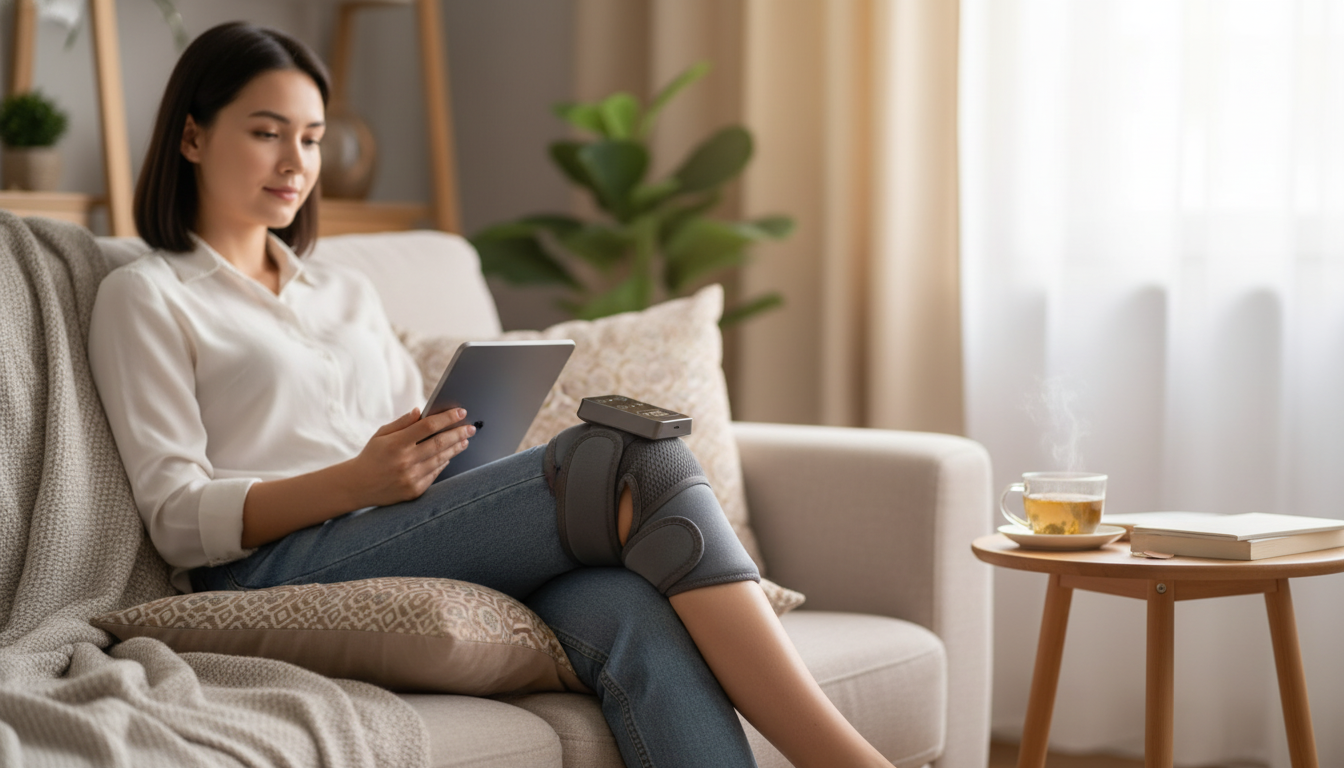
Electric Heat & Vibration Massager for Knee, Elbow, and Shoulder Comfort
Targeted heat paired with gentle vibration can help ease everyday joint discomfort, loosen tight surrounding muscles, and support recovery after long days on the move. A wrap-style electric massager designed for the knee can also be repositioned for elbows and shoulders, offering flexible relief at home, at the office, or after training.
What Heat and Vibration Can Do for Achy Joints
When joints feel stiff or overworked, discomfort often isn’t just “in the joint.” Surrounding muscles, tendons, and connective tissue can tighten up, making movement feel restricted. Heat and vibration are two comfort-focused tools that can help create a more relaxed, mobile feeling.
- Heat encourages blood flow and helps reduce the stiff, “stuck” feeling that can appear after sitting, waking up, or overuse.
- Vibration provides a light stimulation that may help relax tense muscles around the joint and reduce the sensation of soreness.
- Using both together can feel more soothing than either mode alone, especially when discomfort is tied to muscle tightness and stiffness rather than acute injury.
- Comfort tools are not a substitute for medical care; sudden swelling, severe pain, fever, or injury should be assessed by a clinician.
Heat vs. Vibration: How Each Mode Feels and When It’s Commonly Used
| Mode | Common sensation | Often used for | When to be cautious |
|---|---|---|---|
| Heat | Warm, loosening comfort | Stiffness after rest, tight muscles, cold-weather aches | Avoid on numb skin, open wounds, or areas with poor sensation; use extra care with diabetes/neuropathy |
| Vibration | Gentle pulsing stimulation | Muscle tension around joints, post-activity soreness | Stop if tingling, sharp pain, or increased discomfort occurs |
| Heat + Vibration | Warmth with rhythmic stimulation | Daily comfort routine, relaxation, winding down before bed | Use lower settings first; discontinue if irritation or swelling increases |
For general guidance on safe heat use, see resources from the Mayo Clinic and the Arthritis Foundation.
Designed for Knee, Elbow, and Shoulder Use
A wrap-style device is made to stay put. Instead of holding a hot pack in place, adjustable straps help keep consistent contact with the target area—useful when you’re working, watching TV, or decompressing after a workout.
- Wrap-style fit helps keep the device positioned while seated, working, or relaxing.
- Knee placement can support comfort around the front and sides of the joint after stairs, squats, or long walks.
- Elbow placement is useful for repetitive strain from typing, lifting, or sports that load the forearm and upper arm.
- Shoulder placement can help when upper-back and shoulder tension contributes to discomfort; best used while seated and supported.
- For best results, ensure the heating area contacts the target region and straps are snug but not restrictive.
If knee discomfort is persistent or comes with instability, locking, or significant swelling, it’s worth reviewing common warning signs and next steps via NIH MedlinePlus.
A Practical Routine for Daily Relief
The most comfortable sessions tend to be steady and moderate—enough to feel soothing without pushing intensity. A simple routine can also make it easier to judge what settings actually help.
- Start low and short: begin with the lowest heat and vibration setting for 10–15 minutes to gauge comfort.
- Increase gradually: only move up a level if the sensation remains pleasant and skin stays comfortable.
- Pair with gentle movement: light knee bends, shoulder rolls, or elbow flexion/extension after warming may feel easier than stretching cold.
- Consistency beats intensity: a daily routine is often more helpful than occasional high-intensity sessions.
- Hydrate and rest: muscle tightness can worsen with dehydration and poor sleep.
Safety Notes and When to Skip Heat
Heat and vibration are meant to feel relaxing, not aggressive. Use common sense and err on the side of lower settings—especially during the first few sessions.
What to Look For in a Wrap-Style Joint Massager
Product Spotlight: Electric Knee Massager with Heat & Vibration
If a flexible wrap that can rotate between joints fits your routine, the Electric Knee Massager with Heat & Vibration – Pain Relief for Knee, Elbow, Shoulder is designed to deliver warming comfort plus vibration-based stimulation for everyday support.
Quick Buying Snapshot
| Item | Details |
|---|---|
| Product | Electric Knee Massager with Heat & Vibration – Pain Relief for Knee, Elbow, Shoulder |
| Price | 62.03 USD |
| Best for | Heat + vibration comfort routine for knee, elbow, shoulder |
| Product page | View product details |
Comfort Boosters That Pair Well with Heat and Vibration
- Breathing and relaxation techniques can reduce the stress-tension cycle that often amplifies muscle soreness. A guided option is available here: How To Relax Your Body And Live With Less Stress.
- Short walks and gentle mobility work can help maintain joint range of motion.
- Ergonomic adjustments (chair height, keyboard position, arm support) can reduce repeated strain on elbows and shoulders.
- If discomfort persists, consider a professional assessment for movement patterns and strengthening guidance.
For an easy positivity and consistency prompt that supports sticking with healthy routines, consider: Checklist: Bright Mind Boost — Your Simple Daily Guide to Staying Positive | Digital Download for How to Keep Positive Thoughts.
FAQ
How long should a heat and vibration session last?
Most people start with 10–15 minutes on low settings, then adjust gradually. Follow the device guidance and stop if discomfort increases or the skin becomes irritated.
Can it be used on the shoulder as well as the knee?
Yes—wrap-style designs can often be repositioned. Use it while seated with good support, keep straps snug but not restrictive, and avoid placing pressure on sensitive areas.
When should heat be avoided for joint pain?
Avoid heat on broken skin, areas with poor sensation, or when there is acute swelling, significant inflammation, or a recent injury unless advised by a clinician.
Recommended for you


Was this article helpful?
Yes
No








Leave a comment