-
Shop
- Advanced Technologies
- Arts, Crafts & Hobbies
- Bathroom
- Best Sellers
- Car Accessories
- Dating & Social Skills
- Digital Resources
- Beauty
- Electronics & Technology
- Emotional Intelligence
- Home Styling & Organization
- Mindfulness
- Nutrition & Healthy Eating
- Personal Style & Fashion
- Pet Lifestyle & Wellness
- Positive Thinking
- Productivity
- Self Confidence
- Sleep Improvement
- Stress Management & Relaxation
- TikTok Growth & Monetization Mastery
- Travel & Adventure
- Yoga & Mind-Body Practices
- Education & Learning
- Family & Parenting
- Fashion
- Alexander McQueen
- Bags
- Bags & Wallets
- Balenciaga
- Belts
- Blazers
- Bottega Veneta
- Brunello Cucinelli
- Burberry
- Chanel
- Chloé
- Dior
- Dolce & Gabbana
- Dresses
- Etro
- Fendi
- Gucci
- Hats & Hair Accessories
- Jacquemus
- Jewelry
- Jil Sander
- Jimmy Choo
- Kiton
- Luggage
- Miu Miu
- Off-White
- Outerwear
- Prada
- Rick Owens
- Saint Laurent
- Socks & Tights
- Sunglasses
- The Row
- Tom Ford
- Valentino
- Valentino Garavani
- Versace
- Vivienne Westwood
- Watches
- Fashion Accessories
- Furniture
- Gadgets
- Health & Beauty
- Health & Wellness
- Home & Garden
- Home Electronics
- Home Supplies
- Kids & Babies
- Kitchen
- Lighting
- Mindset
- Patio, Lawn & Garden
- Personal Growth
- Pet Care
- Pet Supplies
- Pets
- Shoes
- Sport & Outdoors
- Super Deals
- Travel
- Wealth
- Wealth Building
- Budgeting & Saving
- Cryptocurrency Investing
- Debt Management
- Entrepreneurship & Business Growth
- Family Finance & Budgeting
- Financial Independence
- Financial Mindset & Psychology
- Financial Planning
- Frugal Living & Expense Hacks
- Goal Setting
- High-Income Skills
- Investing Basics
- Leadership
- Motivation
- Networking & Mentorship
- Passive Income Strategies
- Real Estate Investing
- Side Hustles
- Stock Market Investing
- Winter Fashion
- YouTube Shorts Best-Sellers
1200W Stand Mixer Guide: 11 Speeds, 5QT Bowl & OLED
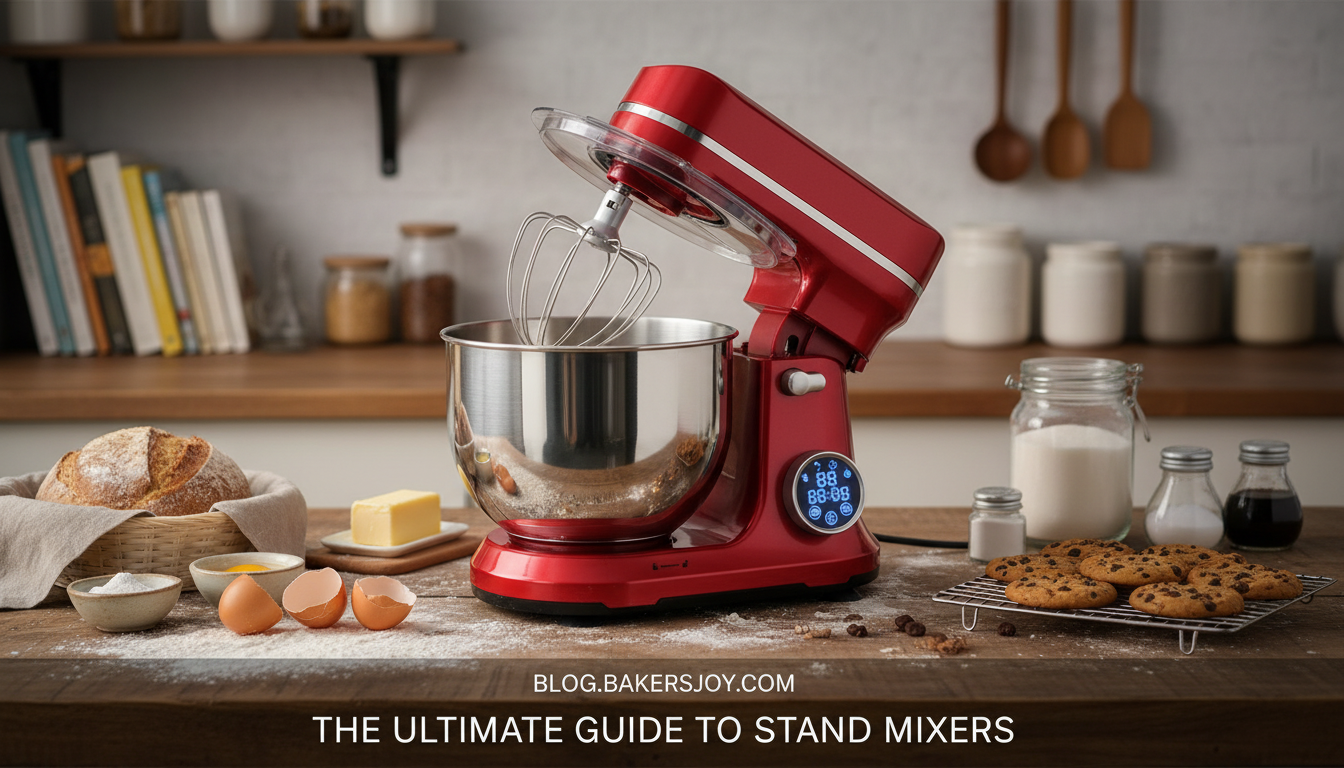
1200W Stand Mixer Basics: What It’s Built to Handle
A high-power stand mixer earns its keep when you’re moving from quick cookie dough to dense bread dough without constant stopping, scraping, or guessing. A 1200W motor is designed to hold steady when mixtures thicken, while 11 speed levels give more control over everything from gently combining flour to whipping cream into peaks. Add a 5QT bowl for everyday batch sizes and an OLED screen for quick confirmation of settings, and you get a setup that’s aimed at consistent results—not just convenience.
If you’re shopping for a practical home upgrade, the 1200W Stand Mixer with 11 Speeds, 5QT Bowl, OLED Screen & Attachments is built to cover common baking tasks with fewer workarounds and less manual mixing.
Quick Matching Guide: Speeds, Tasks, and Attachments
| Task | Suggested speed approach | Best attachment | Practical tip |
|---|---|---|---|
| Folding in flour / gentle combining | Low speeds to reduce flour puff and overmixing | Flat beater | Start slow, then pause to scrape the bowl to prevent dry pockets |
| Creaming butter and sugar | Low to mid speeds, then brief increase for fluff | Flat beater | Use softened butter for faster aeration and less strain |
| Whipping cream / egg whites | Mid to high speeds once foamy | Whisk | Chill bowl/cream for steadier peaks and faster whipping |
| Cookie dough | Low speed to combine, then mid for uniformity | Flat beater | Stop once just combined to avoid tough cookies |
| Bread or pizza dough | Low speed for hydration, then steady mid-low kneading | Dough hook | Knead until smooth and elastic; rest dough if it warms |
Motor Power and Speed Control: What Changes in Real Recipes
Motor power matters most when a mixture stops behaving like a batter and starts behaving like a workout. Thick brownie batter, stiff cookie dough, and enriched bread dough (think butter-and-egg-heavy) can drag a smaller motor down, forcing you to pulse, pause, or finish by hand. With a 1200W mixer, the goal is steadier rotation under load so ingredients incorporate more evenly and kneading stays consistent from start to finish.
The second advantage is the 11-speed range. More speed steps makes it easier to ramp up gradually—especially helpful when adding flour, cocoa, or powdered sugar. Instead of jumping from “too slow to mix” to “too fast and messy,” you can move through a few controlled increases. That reduces splatter and helps prevent overmixing, which is a common cause of dense cakes and tough cookies.
Lower speeds are also where technique shows up: they support gluten control (important for tender baked goods) and reduce over-aeration when you don’t want extra lift. Higher speeds should be reserved for tasks that benefit from aeration and emulsification—whipping egg whites, whipping cream, and finishing certain frostings.
For dough in particular, stable mixing plus controlled acceleration can also reduce “walking” on the countertop. It’s still worth keeping the mixer on a steady surface and starting slowly as the flour hydrates.
5QT Bowl Capacity: Batch Sizing Without Overflow
A 5QT bowl is a sweet spot for many home kitchens: it’s large enough for everyday baking but not so oversized that it dominates storage. In practical terms, it’s well-suited for standard cake batters, a typical frosting recipe, mashed potatoes for a family meal, and small-to-medium bread dough batches (often around 1–2 loaves depending on hydration and flour type).
To get the best mixing action, leave headroom. Overfilling reduces efficiency and can push flour or liquids up the sides, leaving you with unmixed patches that require repeated scraping. Headroom also matters for whipping; volume expands quickly once air is incorporated.
Ingredient temperature plays into capacity, too. Cold buttercream or very cold dough can behave stiffer than expected and place more load on the mixer. For food safety and storage best practices, the USDA’s cold storage guidance is a helpful reference for handling dairy, eggs, and leftovers: USDA Food Safety and Inspection Service: Refrigerator & Freezer Storage Chart.
OLED Screen: Why a Display Can Be More Than a Nice-to-Have
Attachments and When to Use Each One
Whisk
Flat Beater (Paddle)
Dough Hook
The dough hook is built for kneading yeast doughs and developing gluten. For a practical kneading reference (including what “smooth and elastic” should look like), King Arthur Baking’s kneading guide is a solid companion: King Arthur Baking: Guide to kneading dough.
Everyday Use Tips: Smoother Mixes, Fewer Messes
Who This Mixer Fits Best
- How To Relax Your Body And Live With Less Stress
- Checklist: Bright Mind Boost — Your Simple Daily Guide to Staying Positive | Digital Download for How to Keep Positive Thoughts
Product Page and Key Details at a Glance
| Item | Price | Availability |
|---|---|---|
| 1200W Stand Mixer with 11 Speeds, 5QT Bowl, OLED Screen & Attachments | 152.65 USD | In stock |
FAQ
What can a 1200W stand mixer do that a lower-power mixer struggles with?
A 1200W motor is better at maintaining speed when mixtures get dense, which helps prevent stalling and improves consistency in thick batters and dough. It can reduce the need to stop, pulse, or finish kneading by hand, though using the right attachment and speed still makes a big difference.
Is a 5QT bowl big enough for bread dough and batch baking?
Yes—5QT typically handles common home batches like standard cake batters, frosting, and many small-to-medium bread dough recipes. Leave headroom to prevent overflow, adjust batch size for very wet or very stiff doughs, and scrape the sides when making smaller quantities.
Which attachment should be used for dough versus cake batter?
Use the dough hook for kneading yeast doughs like pizza or sandwich bread, the flat beater for cake batter and creaming butter with sugar, and the whisk for whipping tasks like egg whites or whipped cream. Choosing the correct tool helps texture develop properly and prevents overworking the mixture.
Recommended for you
Was this article helpful?
Yes
No








Leave a comment