-
Shop
- Advanced Technologies
- Arts, Crafts & Hobbies
- Bathroom
- Best Sellers
- Car Accessories
- Dating & Social Skills
- Digital Resources
- Beauty
- Electronics & Technology
- Emotional Intelligence
- Home Styling & Organization
- Mindfulness
- Nutrition & Healthy Eating
- Personal Style & Fashion
- Pet Lifestyle & Wellness
- Positive Thinking
- Productivity
- Self Confidence
- Sleep Improvement
- Stress Management & Relaxation
- TikTok Growth & Monetization Mastery
- Travel & Adventure
- Yoga & Mind-Body Practices
- Education & Learning
- Family & Parenting
- Fashion
- Alexander McQueen
- Bags
- Bags & Wallets
- Balenciaga
- Belts
- Blazers
- Bottega Veneta
- Brunello Cucinelli
- Burberry
- Chanel
- Chloé
- Dior
- Dolce & Gabbana
- Dresses
- Etro
- Fendi
- Gucci
- Hats & Hair Accessories
- Jacquemus
- Jewelry
- Jil Sander
- Jimmy Choo
- Kiton
- Luggage
- Miu Miu
- Off-White
- Outerwear
- Prada
- Rick Owens
- Saint Laurent
- Socks & Tights
- Sunglasses
- The Row
- Tom Ford
- Valentino
- Valentino Garavani
- Versace
- Vivienne Westwood
- Watches
- Fashion Accessories
- Furniture
- Gadgets
- Health & Beauty
- Health & Wellness
- Home & Garden
- Home Electronics
- Home Supplies
- Kids & Babies
- Kitchen
- Lighting
- Mindset
- Patio, Lawn & Garden
- Personal Growth
- Pet Care
- Pet Supplies
- Pets
- Shoes
- Sport & Outdoors
- Super Deals
- Travel
- Wealth
- Wealth Building
- Budgeting & Saving
- Cryptocurrency Investing
- Debt Management
- Entrepreneurship & Business Growth
- Family Finance & Budgeting
- Financial Independence
- Financial Mindset & Psychology
- Financial Planning
- Frugal Living & Expense Hacks
- Goal Setting
- High-Income Skills
- Investing Basics
- Leadership
- Motivation
- Networking & Mentorship
- Passive Income Strategies
- Real Estate Investing
- Side Hustles
- Stock Market Investing
- Winter Fashion
- YouTube Shorts Best-Sellers
Start a Money Blog That Makes Money: Beginner Roadmap

How to Start a Money Blog: Step-by-Step Plan for New Bloggers
Starting a blog that earns income is less about shortcuts and more about building a simple system: a focused topic, a site that loads fast, useful content that matches real problems, and a clear path to monetization. Below is a beginner-friendly plan—from choosing a profitable direction to publishing, growing traffic, and layering in income streams—plus a practical digital roadmap you can follow as you set things up.
What “blogging for profit” actually looks like
A money blog is a content site built to attract targeted readers and convert them through ads, affiliates, products, services, or email-based offers. The “profit” part usually follows a timeline: setup → consistent publishing → early traffic → email list → monetization optimization. The simplest way to keep decisions easy is to focus on one clear audience and one primary outcome (save time, save money, learn a skill, or solve a specific problem).
Expect experimentation. Headlines, content formats, offers, and traffic sources improve when you track what’s working and iterate. Helpful content also matters long-term; Google’s guidance on people-first content is a solid north star for what to publish and how to keep quality high.
Authoritative references: Google Search Central: Creating helpful, reliable, people-first content, WordPress.org, FTC guidance on endorsements and testimonials.
Common blog income streams and what they require
| Income stream | Best for | Traffic needed | Typical setup steps |
|---|---|---|---|
| Affiliate marketing | Problem-solving content and recommendations | Low to medium | Join programs, add disclosures, create comparison/review content |
| Display ads | High-volume informational content | Medium to high | Meet network requirements, improve speed, optimize placement |
| Digital products | Expertise-based niches | Low to medium | Validate topic, create eBook/template, set up checkout and delivery |
| Services/coaching | Skill-based niches | Low | Create offer, build portfolio, add booking and intake workflow |
Pick a niche that can earn (without getting stuck)
Choose an audience with ongoing needs—recurring problems, seasonal questions, or long-term goals. A quick way to avoid dead ends is to run your idea through three filters:
- Interest: you can stay consistent even when results are slow.
- Ability to help: you can offer accurate, practical guidance (even as a learner).
- Monetization fit: existing products, services, or offers already solve the audience’s problems.
Define your blog promise in one sentence: who it helps + what outcome + how. For example: “I help first-time budgeters build a simple weekly money routine with checklists and beginner guides.” Starting narrow tends to gain traction faster; you can expand later with closely related categories once you have momentum.
Set up the blog foundation (domain, platform, pages)
Pick a domain that’s easy to spell, easy to say, and flexible enough to grow as your content expands. Avoid clever spellings that require explanation. For the platform, choose something reliable with strong support and plugins/themes that prioritize speed and mobile readability—WordPress is a common choice because it’s flexible and widely supported.
Create foundational pages early so readers and partners can trust the site:
- About: who you help, why you’re qualified (or what you’re learning), and what readers can do next.
- Contact: a simple form or email address for questions and collaboration.
- Privacy Policy: especially important if you collect emails or use analytics.
- Affiliate disclosure: required when using affiliate links; follow FTC guidance.
Then set a basic structure: 4–6 categories, simple navigation, and a homepage that points to your best beginner guide, your most practical problem-solver, and a “start here” path.
Create a content plan that brings targeted readers
Early on, your job is to publish consistently and make each post useful enough that a reader can take action immediately. A simple approach is to build around three content buckets:
- Beginner guides: “how to start,” “what to do first,” “simple setup.”
- Problem/solution posts: one pain point, one clear fix, step-by-step.
- Product/choice content (when relevant): comparisons, reviews, and “best for” roundups that match real scenarios.
Create a 30-day plan with realistic frequency. One high-quality post per week is enough if it’s consistent and internally linked. Prioritize clarity over length: strong headlines, scannable sections, and checklists or steps. Finally, add internal pathways: link to related posts and include one simple “next step” call-to-action at the end (subscribe, download a resource, or read the next guide).
Turn traffic into income: a practical monetization ladder
Monetization works best when it’s layered in phases rather than forced on day one.
Phase 1 (early): capture emails + one low-friction offer
Phase 2 (growing): lead magnet + email sequence + small product
Phase 3 (scaling): higher-intent content + optimization + ads (optional)
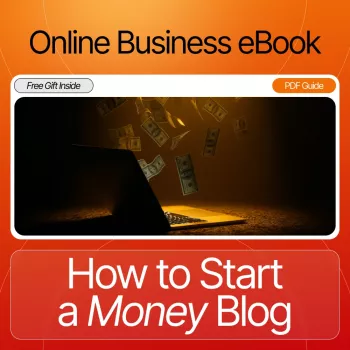
Use the eBook as a step-by-step roadmap (digital download)
- How to Start a Money Blog – Ultimate Beginner’s eBook (digital download) ($52.95)
- Checklist: Bright Mind Boost — Your Simple Daily Guide to Staying Positive (Digital Download) ($30.97)
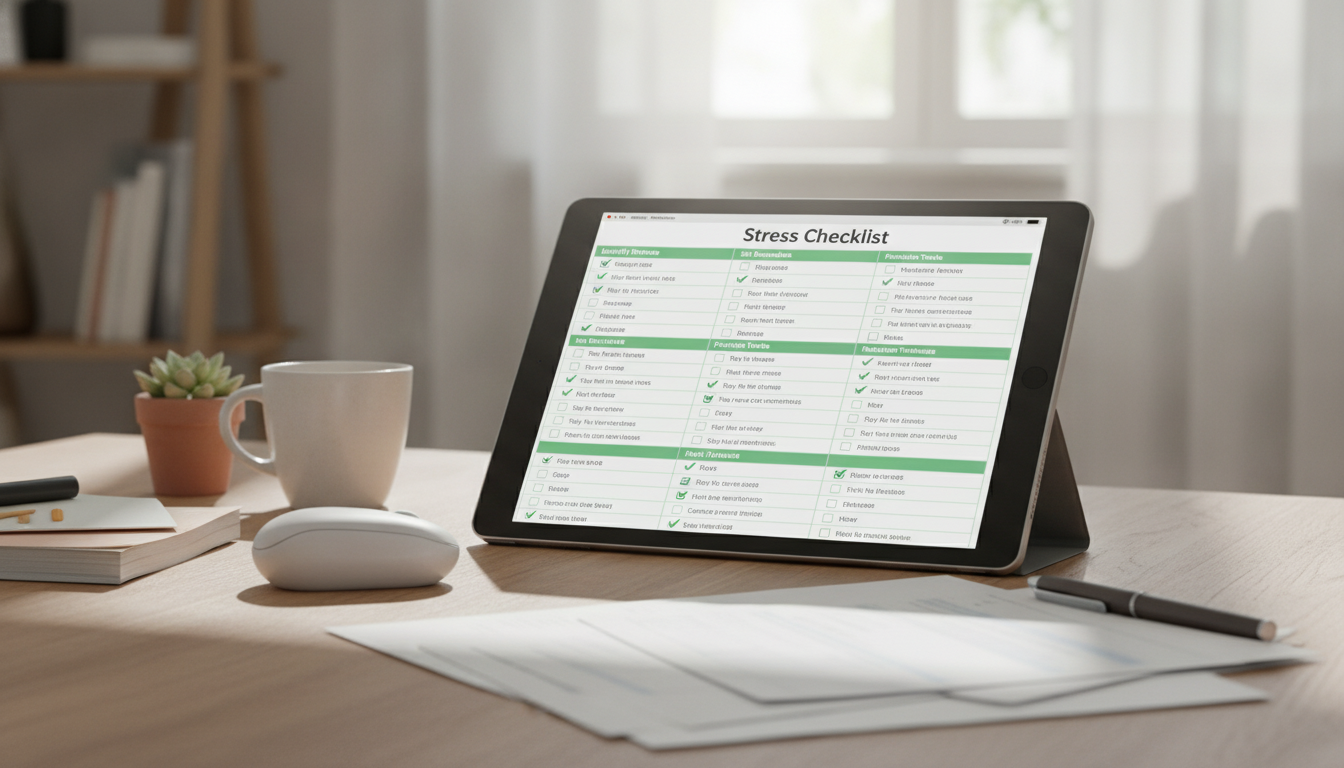
- How To Relax Your Body And Live With Less Stress ($37.59)
Common pitfalls that slow down profit
FAQ
How long does it take for a new blog to make money?
A realistic range is 3–12 months, depending on niche demand, publishing consistency, promotion, and the monetization method. Many blogs see first traffic within weeks, first small income after a few months (often affiliates or a small product), and more meaningful growth once an email list and a repeatable content system are in place.
Do beginners need to be experts to start a profitable blog?
No—beginners can document progress and focus on beginner-level problems they’re actively solving. Accuracy and transparency matter: be clear about your experience level, test what you recommend when possible, and reference reputable sources for factual or technical topics.
Is affiliate marketing required to earn from a blog?
No. Alternatives include digital products, services/coaching, sponsorships, display ads (once traffic is high enough), and email-based offers. If you do use affiliate links, clear disclosures are required and help maintain trust.
Recommended for you


Was this article helpful?
Yes
No









Leave a comment