-
Shop
- Advanced Technologies
- Arts, Crafts & Hobbies
- Bathroom
- Best Sellers
- Car Accessories
- Dating & Social Skills
- Digital Resources
- Beauty
- Electronics & Technology
- Emotional Intelligence
- Home Styling & Organization
- Mindfulness
- Nutrition & Healthy Eating
- Personal Style & Fashion
- Pet Lifestyle & Wellness
- Positive Thinking
- Productivity
- Self Confidence
- Sleep Improvement
- Stress Management & Relaxation
- TikTok Growth & Monetization Mastery
- Travel & Adventure
- Yoga & Mind-Body Practices
- Education & Learning
- Family & Parenting
- Fashion
- Alexander McQueen
- Bags
- Bags & Wallets
- Balenciaga
- Belts
- Blazers
- Bottega Veneta
- Brunello Cucinelli
- Burberry
- Chanel
- Chloé
- Dior
- Dolce & Gabbana
- Dresses
- Etro
- Fendi
- Gucci
- Hats & Hair Accessories
- Jacquemus
- Jewelry
- Jil Sander
- Jimmy Choo
- Kiton
- Luggage
- Miu Miu
- Off-White
- Outerwear
- Prada
- Rick Owens
- Saint Laurent
- Socks & Tights
- Sunglasses
- The Row
- Tom Ford
- Valentino
- Valentino Garavani
- Versace
- Vivienne Westwood
- Watches
- Fashion Accessories
- Furniture
- Gadgets
- Health & Beauty
- Health & Wellness
- Home & Garden
- Home Electronics
- Home Supplies
- Kids & Babies
- Kitchen
- Lighting
- Mindset
- Patio, Lawn & Garden
- Personal Growth
- Pet Care
- Pet Supplies
- Pets
- Shoes
- Sport & Outdoors
- Super Deals
- Travel
- Wealth
- Wealth Building
- Budgeting & Saving
- Cryptocurrency Investing
- Debt Management
- Entrepreneurship & Business Growth
- Family Finance & Budgeting
- Financial Independence
- Financial Mindset & Psychology
- Financial Planning
- Frugal Living & Expense Hacks
- Goal Setting
- High-Income Skills
- Investing Basics
- Leadership
- Motivation
- Networking & Mentorship
- Passive Income Strategies
- Real Estate Investing
- Side Hustles
- Stock Market Investing
- Winter Fashion
- YouTube Shorts Best-Sellers
Refashion Revolution: Upcycle Clothes with a Simple Plan
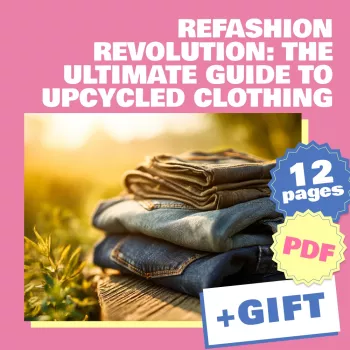
ReFashion Revolution: A Practical, Creative Way to Upcycle Clothes Without Starting From Scratch
Upcycling turns “almost good” garments into pieces that actually earn a spot in your weekly rotation. Instead of buying new fabric and building a project from step one, refashioning lets you start with real-world construction: seams, hems, pockets, waistbands, and closures that are already doing a lot of the work. The result is faster progress, less waste, and more freedom to experiment with shape, comfort, and personal style.
If you want a structured, project-first approach that still leaves plenty of room for creativity, ReFashion Revolution: The Ultimate Guide to Upcycled Clothing (Digital Download) is designed to help you choose a garment, plan a realistic transformation, and finish it in a way that looks intentional—not improvised.
What refashioning changes (and why it feels easier than sewing from zero)
Refashioning isn’t “cheating.” It’s using what’s already there to make better decisions—and better clothes—faster.
- Built-in shortcuts: Existing seams, hems, pockets, and closures can stay in place or be re-used, saving time and reducing tricky steps.
- Less waste by design: You plan around the fabric you already have, which naturally reduces offcuts and excess yardage.
- Experimentation feels safer: Small changes—like side shaping or a neckline swap—can dramatically change how something looks and fits.
- Skill-building happens quickly: Every garment teaches you something about construction, fit, and fabric behavior in a real, wearable context.
What’s inside the digital download
This guide is organized to keep momentum high: pick an item you already own, choose a transformation that matches your time and skill level, then finish it cleanly.
- A project-first path: Choose a garment, pick a transformation, then fit and finish with fewer detours.
- Garment-specific guidance: Practical notes for tees, button-ups, denim, and knits—common items with big upcycle potential.
- Design prompts: Quick idea generators for those moments when you know you want “different,” but can’t picture the next step.
- Finishing techniques: Methods that make refashions look planned—clean edges, stable necklines, consistent topstitching, and tidy hems.
- Print-and-save convenience: Space to plan, measure, and keep notes so you can repeat what worked next time.
Tools and materials that make upcycling smoother
You can start with basics, but a few smart upgrades make refashion projects look sharper and feel less fussy.
- Core sewing kit: Sharp fabric scissors, seam ripper, pins or clips, tape measure, and a marking tool.
- Helpful upgrades: A rotary cutter and mat for clean edges; a point turner for crisp corners on collars, cuffs, and ties.
- Stabilizers and interfacing: Especially useful for collars, waistbands, plackets, and any knit that feels baggy or wavy.
- Notions to keep on hand: Elastic, bias tape, snaps, buttons, hook-and-eye, and a few zipper lengths.
- Pressing matters: An iron plus a pressing cloth can elevate your results immediately by setting seams and sharpening edges.
Project pathways: quick wins to statement makes
Upcycling works best when the first plan is realistic. Choose one “hero change” and keep everything else simple, especially for early projects.
Beginner pathways
- Crop and re-hem tees
- Replace neckbands
- Add a pocket
- Simple side-seam shaping
Intermediate pathways
- Turn a button-up into a wrap top
- Convert jeans into a skirt
- Add panels for width or movement
Advanced pathways
- Combine multiple garments into one cohesive piece
- Re-cut a bodice for a new silhouette
- Draft new sleeves from existing fabric
Pick a starting garment and a realistic transformation
| Starting item | Best refashion moves | Skill level | Time range |
|---|---|---|---|
| T-shirt | Crop + hem, add pocket, side shaping, neckline swap | Beginner | 30–90 min |
| Button-up shirt | Boxy-to-fitted, wrap top, sleeveless, peplum add-on | Intermediate | 1–3 hrs |
| Jeans/denim | Skirt conversion, shorts, patchwork repairs, panel inserts | Intermediate | 2–5 hrs |
| Sweater/knit | Sleeve reshape, hem band, neckline refinishing, elbow patches | Beginner–Intermediate | 1–3 hrs |
| Dress | Two-piece set, new straps, length change, side panels for fit | Intermediate–Advanced | 2–6 hrs |
A simple process for better-looking results
Polished upcycles come from a repeatable workflow. When you’re unsure, default to fit and finish before decoration.
Sustainable style that still feels personal
Upcycling can be a meaningful part of a circular wardrobe—without losing individuality. Textile waste is a real issue, and credible research continues to highlight the value of keeping materials in use longer. For deeper context, see the EPA’s textiles material-specific data and the Ellen MacArthur Foundation’s work on a new textiles economy.
Common mistakes and quick fixes
Shop helpful digital downloads
- ReFashion Revolution: The Ultimate Guide to Upcycled Clothing | Digital Download DIY Sewing, Creative Fashion Projects & Sustainable Style
- How To Relax Your Body And Live With Less Stress
- Checklist: Bright Mind Boost — Your Simple Daily Guide to Staying Positive | Digital Download for How to Keep Positive Thoughts
FAQ
What sewing skill level is needed for clothing upcycling?
Beginners can start with hems, simple side shaping, neckline refreshes, and pocket additions on low-risk garments. Intermediate and advanced refashions include panel inserts, combining garments, and re-cutting sections for a new silhouette, and those get easier after a few smaller wins.
How can upcycled clothes look polished instead of homemade?
Press as you go, finish raw edges cleanly, and keep topstitching consistent in spacing and thread choice. Do fit adjustments first, then add decorative details like patchwork, embroidery, or visible mending with intentional placement.
What garments are best for a first refashion project?
T-shirts, oversized button-ups, and stable denim are great starters because they’re easy to handle and forgiving. Skip slippery or delicate fabrics at first, and choose items with enough ease and seam allowance to support adjustments.
Recommended for you



Was this article helpful?
Yes
No









Leave a comment