-
Shop
- Advanced Technologies
- Arts, Crafts & Hobbies
- Bathroom
- Best Sellers
- Car Accessories
- Dating & Social Skills
- Digital Resources
- Beauty
- Electronics & Technology
- Emotional Intelligence
- Home Styling & Organization
- Mindfulness
- Nutrition & Healthy Eating
- Personal Style & Fashion
- Pet Lifestyle & Wellness
- Positive Thinking
- Productivity
- Self Confidence
- Sleep Improvement
- Stress Management & Relaxation
- TikTok Growth & Monetization Mastery
- Travel & Adventure
- Yoga & Mind-Body Practices
- Education & Learning
- Family & Parenting
- Fashion
- Alexander McQueen
- Bags
- Bags & Wallets
- Balenciaga
- Belts
- Blazers
- Bottega Veneta
- Brunello Cucinelli
- Burberry
- Chanel
- Chloé
- Dior
- Dolce & Gabbana
- Dresses
- Etro
- Fendi
- Gucci
- Hats & Hair Accessories
- Jacquemus
- Jewelry
- Jil Sander
- Jimmy Choo
- Kiton
- Luggage
- Miu Miu
- Off-White
- Outerwear
- Prada
- Rick Owens
- Saint Laurent
- Socks & Tights
- Sunglasses
- The Row
- Tom Ford
- Valentino
- Valentino Garavani
- Versace
- Vivienne Westwood
- Watches
- Fashion Accessories
- Furniture
- Gadgets
- Health & Beauty
- Health & Wellness
- Home & Garden
- Home Electronics
- Home Supplies
- Kids & Babies
- Kitchen
- Lighting
- Mindset
- Patio, Lawn & Garden
- Personal Growth
- Pet Care
- Pet Supplies
- Pets
- Shoes
- Sport & Outdoors
- Super Deals
- Travel
- Wealth
- Wealth Building
- Budgeting & Saving
- Cryptocurrency Investing
- Debt Management
- Entrepreneurship & Business Growth
- Family Finance & Budgeting
- Financial Independence
- Financial Mindset & Psychology
- Financial Planning
- Frugal Living & Expense Hacks
- Goal Setting
- High-Income Skills
- Investing Basics
- Leadership
- Motivation
- Networking & Mentorship
- Passive Income Strategies
- Real Estate Investing
- Side Hustles
- Stock Market Investing
- Winter Fashion
- YouTube Shorts Best-Sellers
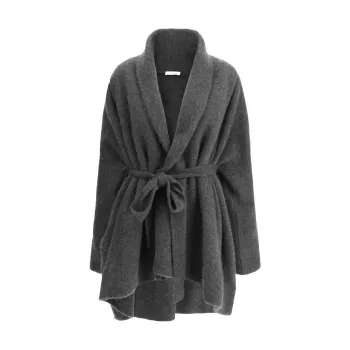
The Row Ija Coat Guide: Shawl Lapel & Knotted Sash Fit
The Row Ija Coat – Elegant Shawl Lapel Knotted Sash Coat
A shawl-lapel coat with a knotted sash delivers structure without stiffness—polished enough for evening plans, relaxed enough for everyday layering. The Ija-style wrap silhouette leans on proportion, drape, and clean finishing rather than loud hardware, so the details matter. Below is a practical guide to what to look for, how it should fit, styling ideas across seasons, and care habits that help fine outerwear keep its shape.
What defines the Ija silhouette
The signature of an Ija-inspired wrap coat is refinement through simplicity. Instead of relying on buttons and busy trims, it uses a few intentional elements to create an elegant line.
- Shawl lapel: Frames the neckline cleanly and forms a continuous line down the front for a calm, elevated look.
- Knotted sash closure: Adjusts the waist without hardware, making the fit more adaptable over light or chunky layers.
- Wrap-style front: Typically offers easy on/off and a softer drape than traditional buttoned topcoats.
- Minimal detailing: Keeps the focus on proportion, fabric, and finish—often the difference between “nice” and truly luxurious outerwear.
At-a-glance checklist before buying
When a coat is intentionally minimal, construction quality shows quickly. Use this checklist to evaluate whether the piece will wear well and maintain its shape over time.
- Confirm fabric composition and weight to match climate (midweight for transitional months; heavier for winter).
- Check whether the coat is lined; lining improves glide over knits and can add warmth without bulk.
- Look for clean edge finishing on the lapel and hem; quality finishing supports a smoother drape.
- Verify belt length and belt loops placement so the sash knots comfortably at the natural waist or slightly higher.
- Review pocket construction (welt or seam pockets) for a flatter profile and better longevity.
| Detail | What to look for | Why it matters |
|---|---|---|
| Shawl lapel | Smooth roll, even stitching, stable collar stand | Creates a polished neckline and maintains shape with wear |
| Knotted sash | Comfortable width, long enough tails, secure loops | Allows adjustable fit and defines the waist without buttons |
| Fabric weight | Appropriate GSM/oz for your season, resilient handfeel | Determines warmth, drape, and how well it resists creasing |
| Lining | Full or partial lining, smooth fabric | Improves layering, comfort, and reduces friction on sweaters |
| Hem & edges | Neat finishing, no puckering, consistent topstitch | Signals construction quality and helps the coat hang cleanly |
| Pockets | Flat entry, reinforced corners | Adds function without distorting the silhouette over time |
Fit and sizing: how it should feel
A wrap coat can look effortless, but the comfort comes from the right balance of structure and ease. If possible, do a quick “movement and layering” check before committing.
- Shoulders: They should sit close to your natural shoulder line. Too much drop reads overly casual unless the coat is intentionally oversized.
- Sleeve mobility: You should be able to reach forward (think driving or holding a bag) without pulling across the upper back.
- Secure overlap: The wrap front should overlap enough to stay closed while walking; the sash should tighten without bunching the fabric at the waist.
- Layer test: Try it over a lightweight knit and again over a thicker sweater to confirm armhole and chest ease.
- Length and formality: Longer lengths read more elegant and “evening-ready,” while shorter lengths feel more casual and practical.
Styling ideas for an elegant wrap coat
The shawl lapel and sash do much of the work, so styling tends to be about restraint: clean lines, balanced proportions, and one or two purposeful accessories.
- Workwear: Belt it over tailored trousers and a fine-gauge turtleneck; keep shoes sleek with ankle boots or loafers.
- Evening: Wear it open over a monochrome dress and let the lapel frame the neckline rather than adding a bulky scarf.
- Weekend: Pair with straight-leg denim and a cashmere crewneck; knot the sash loosely for an easy, relaxed drape.
- Cold-weather layering: Add a thin down liner or insulated vest underneath if the fit allows; keep bulk minimal at the sleeves to preserve the clean silhouette.
- Accessories: A structured tote or top-handle bag complements minimalist lines; understated jewelry matches the quiet finish.
Fabric and care considerations
For general fiber care guidance, Woolmark’s care resources are a helpful reference: https://www.woolmark.com/care/. For broader context on why construction and finishing matter in fashion, see CFDA’s perspective on craftsmanship: https://cfda.com/.
Purchase notes: price, availability, and what’s included
- Current listing: The Row Ija Coat – Elegant Shawl Lapel Knotted Sash Coat (USD 12555.13), marked in stock.
- Confirm return and exchange terms before ordering, especially for luxury outerwear where fit preference varies.
- Check what arrives in the box (garment bag, spare belt, care information) and inspect seams, belt loops, and lining upon delivery.
- If between sizes, prioritize comfortable shoulder fit and sleeve mobility; the sash provides adjustability at the waist.
Also in stock
FAQ
How should a shawl lapel coat sit around the neck?
The lapel should lie flat without gaping, and the collar should feel stable against the neck without pinching. A smooth roll line (rather than sharp creases) signals proper shape, and very heavy scarves can distort the roll if the neckline is too tight.
Is a knotted sash coat warm enough for winter?
Warmth depends mostly on fabric weight, lining, and how you layer underneath. A wrap style can let in more wind than a buttoned coat, so adding thin thermals or a lightweight insulated liner can make a big difference without adding bulk.
What’s the best way to tie the sash so it stays secure?
Cross the sash at the waist, pull snug, tie a flat knot, then finish with a single bow or tuck the tails neatly under the belt. Keeping the knot low-profile helps the front drape stay smooth, and well-placed belt loops keep the sash from sliding.
Recommended for you
Was this article helpful?
Yes
No










Leave a comment