-
Shop
- Advanced Technologies
- Arts, Crafts & Hobbies
- Bathroom
- Best Sellers
- Car Accessories
- Dating & Social Skills
- Digital Resources
- Beauty
- Electronics & Technology
- Emotional Intelligence
- Home Styling & Organization
- Mindfulness
- Nutrition & Healthy Eating
- Personal Style & Fashion
- Pet Lifestyle & Wellness
- Positive Thinking
- Productivity
- Self Confidence
- Sleep Improvement
- Stress Management & Relaxation
- TikTok Growth & Monetization Mastery
- Travel & Adventure
- Yoga & Mind-Body Practices
- Education & Learning
- Family & Parenting
- Fashion
- Alexander McQueen
- Bags
- Bags & Wallets
- Balenciaga
- Belts
- Blazers
- Bottega Veneta
- Brunello Cucinelli
- Burberry
- Chanel
- Chloé
- Dior
- Dolce & Gabbana
- Dresses
- Etro
- Fendi
- Gucci
- Hats & Hair Accessories
- Jacquemus
- Jewelry
- Jil Sander
- Jimmy Choo
- Kiton
- Luggage
- Miu Miu
- Off-White
- Outerwear
- Prada
- Rick Owens
- Saint Laurent
- Socks & Tights
- Sunglasses
- The Row
- Tom Ford
- Valentino
- Valentino Garavani
- Versace
- Vivienne Westwood
- Watches
- Fashion Accessories
- Furniture
- Gadgets
- Health & Beauty
- Health & Wellness
- Home & Garden
- Home Electronics
- Home Supplies
- Kids & Babies
- Kitchen
- Lighting
- Mindset
- Patio, Lawn & Garden
- Personal Growth
- Pet Care
- Pet Supplies
- Pets
- Shoes
- Sport & Outdoors
- Super Deals
- Travel
- Wealth
- Wealth Building
- Budgeting & Saving
- Cryptocurrency Investing
- Debt Management
- Entrepreneurship & Business Growth
- Family Finance & Budgeting
- Financial Independence
- Financial Mindset & Psychology
- Financial Planning
- Frugal Living & Expense Hacks
- Goal Setting
- High-Income Skills
- Investing Basics
- Leadership
- Motivation
- Networking & Mentorship
- Passive Income Strategies
- Real Estate Investing
- Side Hustles
- Stock Market Investing
- Winter Fashion
- YouTube Shorts Best-Sellers
150AW Cordless Stick Vacuum: LED Display, 60-Min Battery
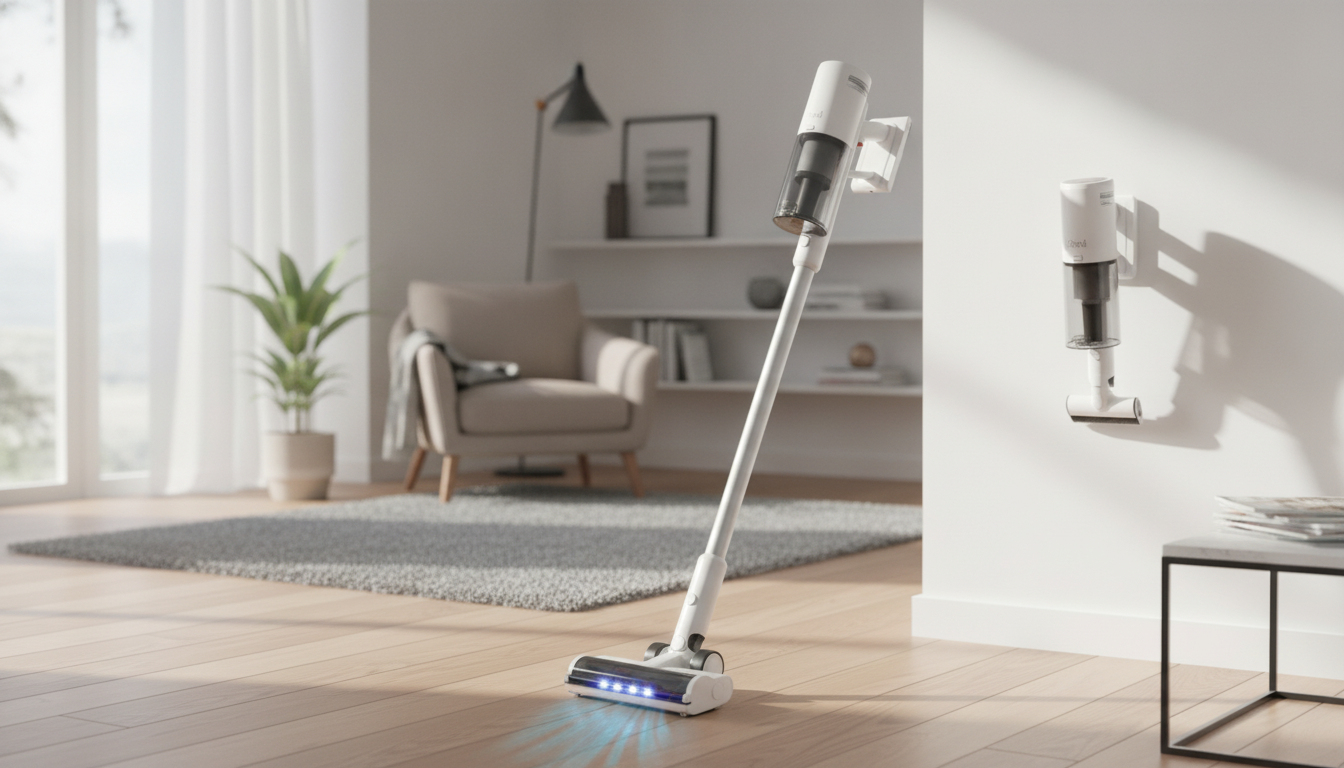
150AW Cordless Stick Vacuum with LED Display, 60-Min Runtime & Detachable Battery
A lightweight cordless stick vacuum can replace quick sweeps and bulky upright setups—especially for hard floors, rugs, stairs, and car cleanups. This guide breaks down what 150AW suction, a real-time LED display, a 60-minute runtime claim, and a detachable battery mean for everyday cleaning, plus what to check before buying.
What Makes This Cordless Stick Vacuum Stand Out
This style of cordless stick vacuum is built for the kind of messes that happen daily: crumbs by the counter, dust along baseboards, pet hair on the couch, and tracked-in grit near the entryway. The standout features are less about “flash” and more about practical cleaning momentum—starting faster, finishing sooner, and keeping performance consistent.
- 150AW suction power designed for everyday debris, pet hair, and dust on common household surfaces.
- LED display for at-a-glance status (battery level, mode, alerts), reducing guesswork mid-clean.
- Up to 60 minutes runtime (varies by mode and attachments) for longer sessions without constant recharging.
- Detachable battery for easier charging, storage, and potential long-term serviceability.
- Stick format that reaches under furniture and makes quick pickups more realistic than hauling a larger vacuum.
Quick Specs and Everyday Expectations
Numbers on a product page are helpful, but real-world cleaning comes down to how the vacuum is designed and how it’s used. A 150AW rating is a useful indicator, yet airflow design, brush head efficiency, and how well the system seals all affect what you actually feel on the floor.
Runtime claims also need context. “Up to 60 minutes” is typically measured in a low-power or eco mode on hard floors with a simple attachment. Higher-power modes draw more energy and shorten runtime—often dramatically. The good news: an LED display and detachable battery make it easier to plan a cleaning session and keep the vacuum ready between uses.
| Feature | Why it matters | What to look for in use |
|---|---|---|
| 150AW suction | Helps lift debris and pet hair | Stronger mode for rugs; standard mode for hard floors |
| LED display | Visibility into battery/mode/alerts | Clear battery indicator; easy-to-read icons |
| Up to 60 min runtime | Fewer recharge interruptions | Use eco/standard for long runs; turbo for spot cleaning |
| Detachable battery | Convenient charging and easier replacement | Simple release latch; stable charging setup |
| Cordless stick design | Faster daily cleanups | Comfortable grip; easy steering; reach under furniture |
LED Display: What It Helps With During Cleaning
A display may sound like a luxury until you’ve used one during a busy cleanup. The main benefit is reducing uncertainty—knowing how much battery remains, what mode you’re in, and whether something needs attention.
- Battery awareness: helps avoid starting a room with insufficient charge.
- Mode control: encourages matching suction to the task (quiet/eco for hard floors, higher power for rugs).
- Maintenance prompts: some displays signal clogs, brush roll jams, or filter attention—useful for protecting performance.
- Confidence for spot cleans: quickly check remaining runtime before tackling stairs or the car.
Runtime and Battery: Getting the Most from a 60-Min Claim
To stretch runtime, treat high suction like a precision tool rather than the default setting. Use standard/eco for open hard-floor stretches and switch up only when you need more lift—like along edges, on rug transitions, or when vacuuming heavier debris.
- Use lower power for open areas: reserve high power for rugs, corners, and stubborn messes.
- Keep filters clean: clogged filters restrict airflow and can shorten effective runtime.
- Empty the dust cup early: an overfilled bin can reduce suction and increase motor load.
- Charge smart: allow full charges when possible; store in a cool, dry place to support battery longevity.
- Detachable battery advantage: charge separately while keeping the vacuum stored neatly, or swap if a spare becomes available later.
If your home has humidity or occasional damp areas, staying on top of dust and debris can also support a healthier indoor environment. For guidance on moisture issues that can affect homes, see the EPA’s brief guide to mold, moisture, and your home.
Where It Fits Best: Rooms, Surfaces, and Common Messes
For broader guidance on cleaning routines and surfaces, the CDC’s cleaning and disinfecting recommendations can be a helpful reference for household habits.
Maintenance Checklist for Consistent Suction
Buying Notes: Practical Questions to Ask Before Checkout
Product Options (In Stock)
- 150AW Cordless Stick Vacuum with LED Display, 60min Runtime & Detachable Battery — a balanced pick for routine whole-home cleaning, quick pickups, and flexible charging.
- How To Relax Your Body And Live With Less Stress — a simple add-on for building calmer daily routines while keeping a busy home in order.
- Checklist: Bright Mind Boost — Your Simple Daily Guide to Staying Positive | Digital Download for How to Keep Positive Thoughts — a quick, printable-style resource for staying consistent with habits.
FAQ
Does the 60-minute runtime apply when using maximum suction?
No—advertised “up to 60 minutes” is usually measured in a low-power/eco mode. Maximum suction is best used in short bursts for rugs, edges, and heavier debris, while standard/eco handles most hard-floor cleaning more efficiently.
What are the benefits of a detachable battery on a cordless vacuum?
A detachable battery is easier to charge without moving the entire vacuum and can simplify storage in smaller spaces. It also tends to be more serviceable long-term since a worn battery can be replaced or swapped if an extra pack is available.
How often should filters and the brush head be cleaned?
For most homes, check the brush head weekly (more often with pets) and remove any wrapped hair or threads. Check filters every few weeks and clean them whenever suction drops, odors appear, or the vacuum seems to run hotter than usual.
Recommended for you
Was this article helpful?
Yes
No








Leave a comment