-
Shop
- Advanced Technologies
- Arts, Crafts & Hobbies
- Bathroom
- Best Sellers
- Car Accessories
- Dating & Social Skills
- Digital Resources
- Beauty
- Electronics & Technology
- Emotional Intelligence
- Home Styling & Organization
- Mindfulness
- Nutrition & Healthy Eating
- Personal Style & Fashion
- Pet Lifestyle & Wellness
- Positive Thinking
- Productivity
- Self Confidence
- Sleep Improvement
- Stress Management & Relaxation
- TikTok Growth & Monetization Mastery
- Travel & Adventure
- Yoga & Mind-Body Practices
- Education & Learning
- Family & Parenting
- Fashion
- Alexander McQueen
- Bags
- Bags & Wallets
- Balenciaga
- Belts
- Blazers
- Bottega Veneta
- Brunello Cucinelli
- Burberry
- Chanel
- Chloé
- Dior
- Dolce & Gabbana
- Dresses
- Etro
- Fendi
- Gucci
- Hats & Hair Accessories
- Jacquemus
- Jewelry
- Jil Sander
- Jimmy Choo
- Kiton
- Luggage
- Miu Miu
- Off-White
- Outerwear
- Prada
- Rick Owens
- Saint Laurent
- Socks & Tights
- Sunglasses
- The Row
- Tom Ford
- Valentino
- Valentino Garavani
- Versace
- Vivienne Westwood
- Watches
- Fashion Accessories
- Furniture
- Gadgets
- Health & Beauty
- Health & Wellness
- Home & Garden
- Home Electronics
- Home Supplies
- Kids & Babies
- Kitchen
- Lighting
- Mindset
- Patio, Lawn & Garden
- Personal Growth
- Pet Care
- Pet Supplies
- Pets
- Shoes
- Sport & Outdoors
- Super Deals
- Travel
- Wealth
- Wealth Building
- Budgeting & Saving
- Cryptocurrency Investing
- Debt Management
- Entrepreneurship & Business Growth
- Family Finance & Budgeting
- Financial Independence
- Financial Mindset & Psychology
- Financial Planning
- Frugal Living & Expense Hacks
- Goal Setting
- High-Income Skills
- Investing Basics
- Leadership
- Motivation
- Networking & Mentorship
- Passive Income Strategies
- Real Estate Investing
- Side Hustles
- Stock Market Investing
- Winter Fashion
- YouTube Shorts Best-Sellers
V-Back Workout Jumpsuit: Fit, Support & Styling Guide
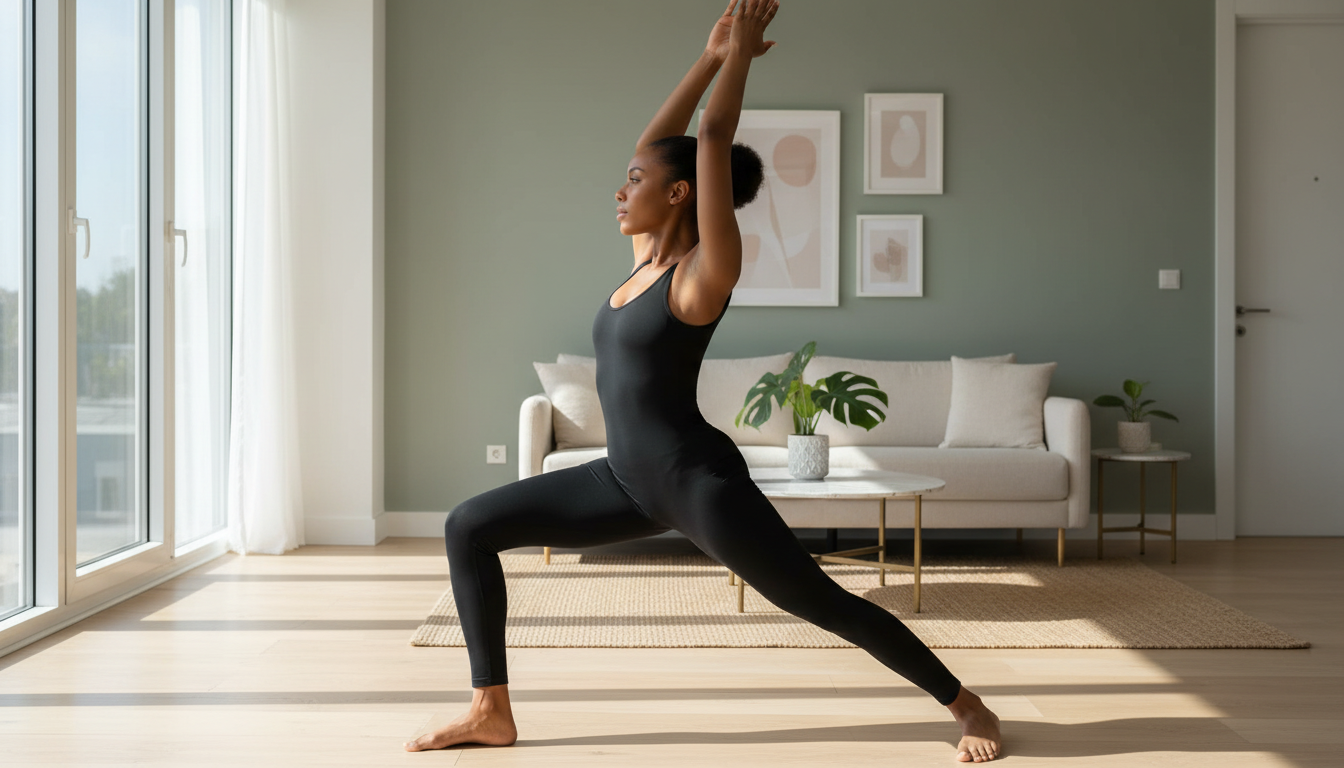
V Back Sexy Workout Jumpsuit for Women: Fit, Feel, and Styling for Training Days
A V-back workout jumpsuit combines streamlined coverage with stretch and support in a single piece, making it a go-to option when you want fewer layers and fewer mid-session adjustments. The right one should feel secure through the torso, stay opaque under movement, and keep you comfortable from warm-up to cooldown. Below is a practical guide to choosing a flattering, functional fit, styling it for different training days, and caring for it so it stays smooth and supportive over time.
Why a V-Back Jumpsuit Works for Workouts
One-piece activewear earns its spot on training days because it simplifies fit and movement. With no separate waistband, you can often avoid rolling, sliding, or the “tug-and-fix” routine between sets. A V-back design adds a breathable, open feel while drawing attention to shoulder blades and upper-back lines—especially nice for lifting days, Pilates, or studio sessions where posture and alignment are part of the vibe.
Layering is also easy. A jumpsuit can look minimal on its own, then shift into a more covered silhouette with a zip hoodie, a cropped jacket, or a longline bra top depending on your comfort level and gym setting. And because it reads as a complete outfit, it transitions cleanly to errands with just a quick shoe swap and a top layer.
Fit Check: Getting the Right Size and Support
Fit starts with torso length. A jumpsuit should lie flat through the midsection without pulling at the shoulders or sagging at the waist. If you feel tension at the straps when you inhale or reach overhead, the torso may be too short. If the waist folds or bags when you hinge forward, the torso may be too long or the size too big.
Compression should feel like a steady hug rather than a squeeze. You should be able to take deep breaths, hit full-depth squats, and rotate your torso without the fabric fighting you. Bust support varies by cut, so if you’re planning anything high impact, confirm you can comfortably wear a sports bra underneath and that the V-back opening doesn’t cause bra straps to shift.
Finally, check opacity. Do a squat test in bright lighting. If the fabric looks sheer at the seat or thighs when stretched, sizing up or choosing a thicker fabric is usually the fix.
Quick Fit Checklist Before Keeping It
| Area | What to look for | Common fix |
|---|---|---|
| Shoulders | No digging or upward pull | Try next size up or a shorter torso cut |
| Bust | Secure without gaping at the V-back | Add a sports bra or adjust straps (if applicable) |
| Waist | Smooth, no rolling when bending | Consider higher-compression fabric or better sizing |
| Hips/Seat | No sheer spots when squatting | Size up or choose thicker, more opaque material |
| Legs | No pinching behind knees | Check inseam length; consider a slightly larger size |
Comfort and Performance Features to Prioritize
To keep a jumpsuit feeling “new” beyond the first few wears, focus on fabric recovery. Stretch is great, but recovery is what helps it bounce back after washes and repeated movement. Moisture-wicking material can also make a noticeable difference during cardio, heated studios, or humid days by helping sweat spread and evaporate faster.
Seam placement matters more than most people expect. Smooth, flat seams reduce friction at inner thighs and underarms—two common rub zones during walking, lifting, and circuits. Also consider the depth of the V-back: some cuts are subtly open, while others dip lower. Choose the openness level that matches your gym environment and how much bra visibility you’re comfortable with.
If you’d like general guidance on exercise clothing and safe training basics, these references are helpful starting points: American College of Sports Medicine (ACSM) and Mayo Clinic.
Outfit Ideas: From Studio to Street
Strength training: Pair your jumpsuit with training sneakers and a medium- or high-support sports bra if you want extra security for presses, pull days, or plyo finishers. A lightweight jacket is handy for warm-ups, then easy to tie at the waist.
Yoga/Pilates: Keep it minimal: grippy socks, a wrap cardigan, and simple accessories that won’t snag. A V-back looks especially polished with a smooth, strappy bra underneath (or no extra layer if the cut supports you comfortably).
Outdoor walk: Add a windbreaker, crew socks, and a cap. A crossbody belt bag sits neatly over a jumpsuit and keeps hands free.
Errands: Toss on an oversized button-down or a cropped denim jacket and clean lifestyle sneakers. The one-piece silhouette reads put-together without trying.
Cool-weather layering: A long coat or puffer works well over a sleek jumpsuit base. Choose layers that are easy to remove once you warm up, especially if you’re heading indoors.
Care and Longevity Tips
Product Picks to Complete the Routine
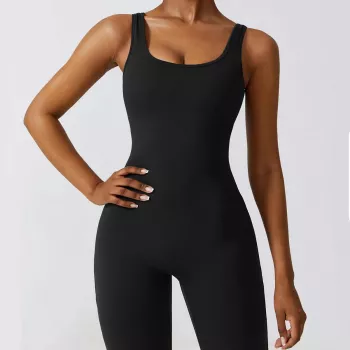
V Back Sexy Workout Jumpsuit for Women
How To Relax Your Body And Live With Less Stress
Checklist: Bright Mind Boost — Your Simple Daily Guide to Staying Positive | Digital Download for How to Keep Positive Thoughts
FAQ
Can a V-back workout jumpsuit be worn for high-impact workouts?
It can work for some people, but support depends on the cut and fabric. For running or HIIT, add a supportive sports bra and test the jumpsuit with jumps and short sprints to confirm it stays secure.
How should a workout jumpsuit fit around the torso?
It should feel smooth and supported without shoulder strain. Bending, reaching, and squatting shouldn’t cause pulling at the straps or gaping and folding around the waist.
What’s the best way to prevent pilling and stretching out?
Wash cold on a gentle cycle, turn it inside out, and keep Velcro and rough fabrics out of the same load. Air-dry when possible, or use low heat to help protect elasticity.
Recommended for you

Was this article helpful?
Yes
No









Leave a comment