-
Shop
- Advanced Technologies
- Arts, Crafts & Hobbies
- Bathroom
- Best Sellers
- Car Accessories
- Dating & Social Skills
- Digital Resources
- Beauty
- Electronics & Technology
- Emotional Intelligence
- Home Styling & Organization
- Mindfulness
- Nutrition & Healthy Eating
- Personal Style & Fashion
- Pet Lifestyle & Wellness
- Positive Thinking
- Productivity
- Self Confidence
- Sleep Improvement
- Stress Management & Relaxation
- TikTok Growth & Monetization Mastery
- Travel & Adventure
- Yoga & Mind-Body Practices
- Education & Learning
- Family & Parenting
- Fashion
- Alexander McQueen
- Bags
- Bags & Wallets
- Balenciaga
- Belts
- Blazers
- Bottega Veneta
- Brunello Cucinelli
- Burberry
- Chanel
- Chloé
- Dior
- Dolce & Gabbana
- Dresses
- Etro
- Fendi
- Gucci
- Hats & Hair Accessories
- Jacquemus
- Jewelry
- Jil Sander
- Jimmy Choo
- Kiton
- Luggage
- Miu Miu
- Off-White
- Outerwear
- Prada
- Rick Owens
- Saint Laurent
- Socks & Tights
- Sunglasses
- The Row
- Tom Ford
- Valentino
- Valentino Garavani
- Versace
- Vivienne Westwood
- Watches
- Fashion Accessories
- Furniture
- Gadgets
- Health & Beauty
- Health & Wellness
- Home & Garden
- Home Electronics
- Home Supplies
- Kids & Babies
- Kitchen
- Lighting
- Mindset
- Patio, Lawn & Garden
- Personal Growth
- Pet Care
- Pet Supplies
- Pets
- Shoes
- Sport & Outdoors
- Super Deals
- Travel
- Wealth
- Wealth Building
- Budgeting & Saving
- Cryptocurrency Investing
- Debt Management
- Entrepreneurship & Business Growth
- Family Finance & Budgeting
- Financial Independence
- Financial Mindset & Psychology
- Financial Planning
- Frugal Living & Expense Hacks
- Goal Setting
- High-Income Skills
- Investing Basics
- Leadership
- Motivation
- Networking & Mentorship
- Passive Income Strategies
- Real Estate Investing
- Side Hustles
- Stock Market Investing
- Winter Fashion
- YouTube Shorts Best-Sellers
Dr. Martens Women’s Lace-Up Shoes: Fit & Break-In Tips
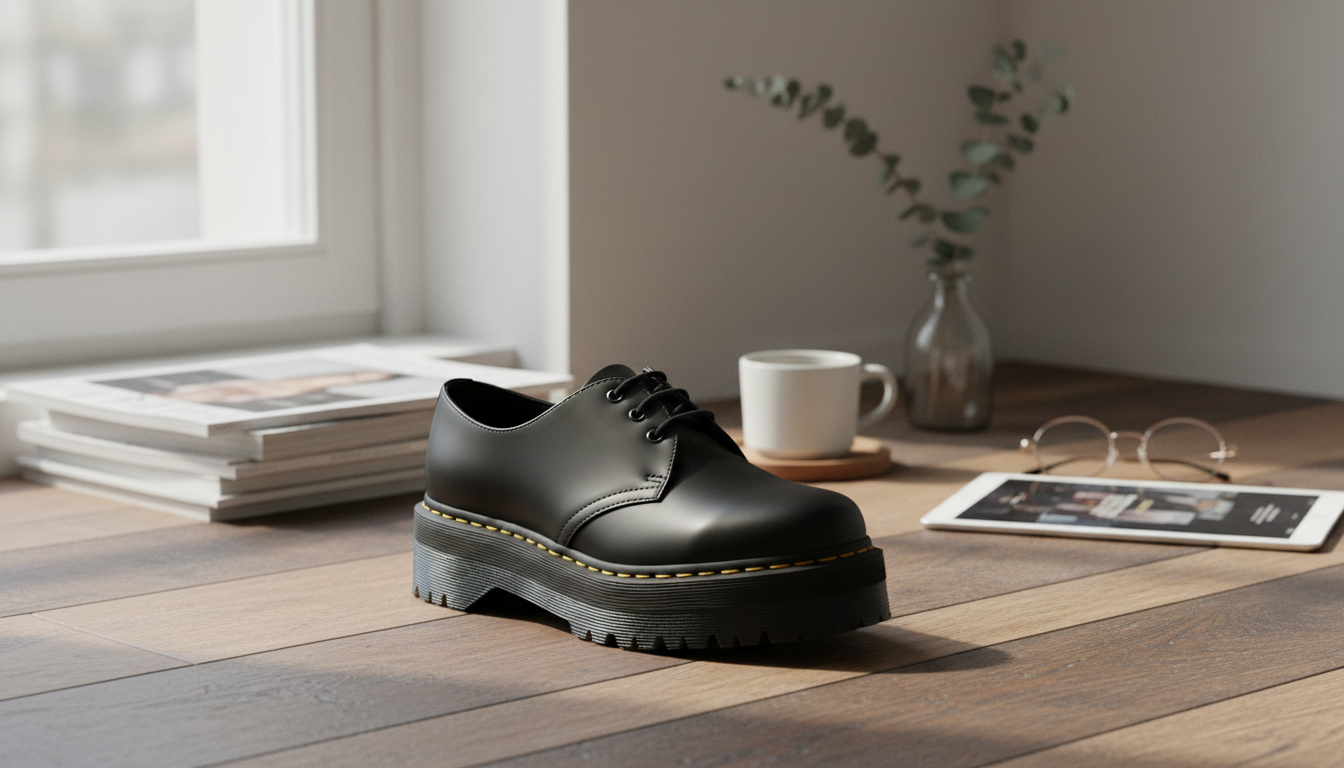
Dr. Martens Women’s Lace-Up Shoes: Fit, Comfort, and Everyday Styling
Dr. Martens women’s lace-up shoes are known for their structured feel, sturdy construction, and a look that pairs easily with casual, workwear, and dressed-up outfits. The right pair should feel secure through the midfoot, break in predictably, and hold up to regular walking with simple care. If you like footwear that feels “anchored” to the ground (instead of pillowy-soft), a lace-up Doc-inspired profile can be an easy year-round staple.
What Makes Lace-Up Dr. Martens Stand Out
- Supportive, structured uppers that feel more stable than many soft fashion flats or lightweight sneakers.
- Lace-up closure that helps fine-tune fit across the instep and midfoot—useful if one foot runs slightly larger.
- Durable outsole design suited to frequent wear on pavement and mixed surfaces where softer soles can feel “chewed up” quickly.
- Distinct profile that works with jeans, trousers, skirts, and layered outfits without looking overly delicate.
Choosing the Right Fit (Without Guesswork)
Fit is the difference between “tough but lovable” and “why did I do this to my feet?” Aim for secure, even contact across the foot—without sharp pressure points.
- Start snug (not painful) through the midfoot. Laces should close comfortably without obvious gapping or feeling like they’re cutting in.
- Toe room matters. Toes should lie flat, with a little extra space at the front to avoid rubbing on long walks or downhills.
- Heel security is key. A touch of movement can happen at first, but persistent heel slip usually means you need a lacing adjustment, a heel grip, or a different size.
- If between sizes, decide based on socks and use. Planning thicker socks for break-in or cold months can justify extra room; lighter socks often favor a closer fit.
Quick fit check before the first outdoor wear
| Fit area | Good sign | Adjustment to try |
|---|---|---|
| Toes | Toes can wiggle; no pressure on the big toe | Try a thinner sock or adjust size if toes press the front |
| Midfoot/instep | Laces tighten evenly; no sharp pinching | Re-lace for high insteps; avoid over-tightening top eyelets |
| Heel | Heel feels held with minimal lift | Use a heel grip or lock-lacing if lift persists |
| Collar/ankle | No biting at the top edge | Break in gradually; consider softer socks or moleskin at contact points |
Break-In and Comfort: A Practical Plan
Lace-up Dr. Martens-style shoes often feel firm at first. The goal is to let the upper flex where your foot naturally bends while keeping friction under control.
- Expect structure early on. A gradual ramp-up helps the material adapt without creating hot spots.
- Start indoors, then step up slowly. Try short sessions at home, then quick errands, then longer days.
- Use thicker socks early. They can reduce rubbing while the fit relaxes; switch to everyday socks once comfort improves.
- Protect common rub zones. Heel, outer toe joint, and tongue edges respond well to blister tape during the first wears.
- Skip soaking or aggressive heat. Controlled, repeated wear tends to be more reliable than forcing a fast “softening” that can stress materials.
For general footwear selection and comfort tips, the American Podiatric Medical Association (APMA) is a helpful reference point.
How to Style Lace-Up Shoes for Different Settings
- Everyday casual: Straight-leg jeans or cuffed denim with a simple tee, knit, or oversized button-down. Keep the hem just above the shoe to show the shape.
- Work-leaning outfits: Tailored trousers, a belt, and a structured blazer. Neutral socks (or no-show styles) keep the line clean and intentional.
- Skirts and dresses: Balance the chunkier profile with midi lengths, tights, or a fitted top so proportions feel deliberate rather than heavy.
- Cold-weather layering: Chunky socks peeking slightly above the collar plus a long coat creates a strong contrast—practical, but still styled.
Care and Maintenance for Long-Lasting Wear
A few small habits keep lace-up shoes looking sharper and feeling better, especially when they’re part of a weekly rotation.
For brand-specific upkeep, Dr. Martens publishes helpful guidance in its shoe care guides.
When Lace-Up Shoes Are the Best Choice (and When They Aren’t)
Product Pick: Dr. Martens Women’s Lace-Up Shoes
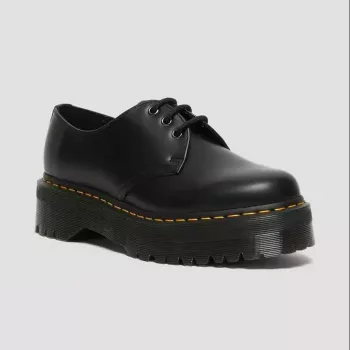
If you want the classic lace-up look with a sturdy, everyday build, Dr. Martens Women’s Lace-Up Shoes are a solid option. The lacing gives you useful fit control across the instep, and with a gradual break-in plus simple care, they can work as a year-round staple.
Current listing snapshot
| Item | Price | Availability |
|---|---|---|
| Dr. Martens Women’s Lace-Up Shoes | $166.32 USD | In stock |
More In-Stock Finds
- How To Relax Your Body And Live With Less Stress ($37.59) — a simple add-on if you’re building a practical self-care routine alongside a walking-heavy lifestyle.
- Checklist: Bright Mind Boost — Your Simple Daily Guide to Staying Positive | Digital Download for How to Keep Positive Thoughts ($30.97) — a quick digital pick for daily planning and mindset resets.
FAQ
Do Dr. Martens lace-up shoes stretch over time?
They typically relax and mold slightly with wear, especially in flex zones. Sizing should still start comfortable enough to avoid persistent toe pressure or sharp pinching.
How long does it take to break in lace-up shoes?
Many people notice improvement after several short wears. A gradual approach over 1–3 weeks is common depending on material stiffness and how long you wear them each day.
What socks work best during the break-in period?
Thicker or double-layer socks can reduce friction early on. Once comfort improves, switch to everyday socks that match your intended season and preferred fit.
Recommended for you

Was this article helpful?
Yes
No








Leave a comment