-
Shop
- Advanced Technologies
- Arts, Crafts & Hobbies
- Bathroom
- Best Sellers
- Car Accessories
- Dating & Social Skills
- Digital Resources
- Beauty
- Electronics & Technology
- Emotional Intelligence
- Home Styling & Organization
- Mindfulness
- Nutrition & Healthy Eating
- Personal Style & Fashion
- Pet Lifestyle & Wellness
- Positive Thinking
- Productivity
- Self Confidence
- Sleep Improvement
- Stress Management & Relaxation
- TikTok Growth & Monetization Mastery
- Travel & Adventure
- Yoga & Mind-Body Practices
- Education & Learning
- Family & Parenting
- Fashion
- Alexander McQueen
- Bags
- Bags & Wallets
- Balenciaga
- Belts
- Blazers
- Bottega Veneta
- Brunello Cucinelli
- Burberry
- Chanel
- Chloé
- Dior
- Dolce & Gabbana
- Dresses
- Etro
- Fendi
- Gucci
- Hats & Hair Accessories
- Jacquemus
- Jewelry
- Jil Sander
- Jimmy Choo
- Kiton
- Luggage
- Miu Miu
- Off-White
- Outerwear
- Prada
- Rick Owens
- Saint Laurent
- Socks & Tights
- Sunglasses
- The Row
- Tom Ford
- Valentino
- Valentino Garavani
- Versace
- Vivienne Westwood
- Watches
- Fashion Accessories
- Furniture
- Gadgets
- Health & Beauty
- Health & Wellness
- Home & Garden
- Home Electronics
- Home Supplies
- Kids & Babies
- Kitchen
- Lighting
- Mindset
- Patio, Lawn & Garden
- Personal Growth
- Pet Care
- Pet Supplies
- Pets
- Shoes
- Sport & Outdoors
- Super Deals
- Travel
- Wealth
- Wealth Building
- Budgeting & Saving
- Cryptocurrency Investing
- Debt Management
- Entrepreneurship & Business Growth
- Family Finance & Budgeting
- Financial Independence
- Financial Mindset & Psychology
- Financial Planning
- Frugal Living & Expense Hacks
- Goal Setting
- High-Income Skills
- Investing Basics
- Leadership
- Motivation
- Networking & Mentorship
- Passive Income Strategies
- Real Estate Investing
- Side Hustles
- Stock Market Investing
- Winter Fashion
- YouTube Shorts Best-Sellers
Best Cat Tree for Indoor Cats: Size, Comfort & Scratch
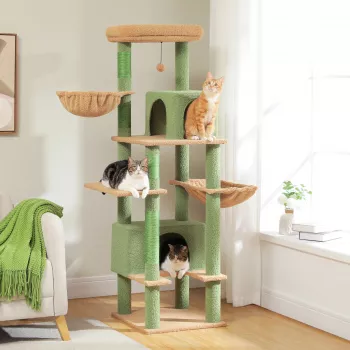
Cat Trees for Indoor Cats: Comfortable Climbing, Scratching, and Lounging at Home
A well-chosen cat tree can turn limited indoor space into a vertical playground—supporting natural climbing, scratching, hiding, and napping behaviors. The right setup helps protect furniture, adds enrichment, and gives cats a secure place to observe their environment. For many indoor cats, “up” is just as important as “out,” and a smart cat tree layout can make the whole home feel bigger.
What a Cat Tree Adds to an Indoor Home
A cat tree is more than a cute piece of pet furniture—it’s a tool for daily comfort and behavior support. When cats have a dedicated structure that meets their needs, they’re more likely to scratch where you want them to scratch, rest where they feel safe, and burn off energy without turning the living room into a race track.
- Vertical territory that reduces crowding and supports multi-cat harmony
- Designated scratching surfaces that help redirect scratching away from carpets and sofas
- Resting spots at different heights for temperature comfort and privacy
- A predictable “safe zone” that can help nervous cats feel more confident
- Play opportunities (dangling toys, tunnels, platforms) that encourage movement
Organizations focused on feline well-being commonly emphasize environmental enrichment and the value of giving cats choice and control within their space. Helpful references include the AAFP Feline Environmental Needs Guidelines and International Cat Care’s enrichment guidance.
Sizing and Layout: Matching the Tree to the Room
Before falling for the tallest tower or the plushest perch, match the cat tree to the realities of your room and your cat’s movement style.
- Measure ceiling height and the tree’s full assembled height; allow clearance under fans or low lighting.
- Check base footprint against available floor space near a wall or corner for stability.
- Plan a “landing path” between furniture and the tree so cats can step up gradually.
- For small apartments, prioritize vertical height and staggered perches over wide bases.
- For large rooms, consider placing the tree near a window to create a viewing perch.
| Home setup | What to prioritize | Helpful features |
|---|---|---|
| Studio or small apartment | Vertical height, compact footprint | Wall-adjacent placement, multiple small platforms |
| One-cat household | Comfort and lounging | Thick perches, hammock/condo, easy-to-clean fabric |
| Multi-cat home | More “stations” to prevent disputes | Two+ perches at different heights, dual scratching zones |
| Senior or mobility-limited cat | Easy access and softer landings | Low first step, wide ramps/steps, plush platforms |
| High-energy kitten | Climb + scratch + play | Tall posts, multiple levels, toy attachments |
Comfort Features Cats Actually Use
Some features look great online but don’t get much use. The most-loved cat trees usually nail the basics: roomy lounging spots, a secure feel underfoot, and at least one “this is mine” hideaway.
- Perch size: platforms should allow a full curl and a stretched lounge without hanging off edges.
- Covered condos: ideal for cats that prefer hiding or quiet rest away from foot traffic.
- Hammocks and baskets: popular for deep sleeping; confirm weight rating and stitching quality.
- Soft, grippy surface: reduces slipping during jumps; useful for confident jumpers and seniors alike.
- Window access: a perch near natural light can become the most-used spot in the home.
If your cat loves to patrol, consider a setup where the top perch faces the room (not just the wall). That vantage point can become a daily “check-in” spot, especially in busy households.
Scratching Materials and Furniture Protection
Scratching is normal and healthy—it stretches the body, maintains claws, and leaves scent markers. The goal isn’t to stop scratching, but to make the cat tree the best scratching option in the home.
- Sisal rope or sisal fabric provides durable resistance that many cats prefer.
- Post thickness matters: thicker posts are more stable and encourage full-body stretching.
- Height matters: tall scratching zones let cats extend fully, which can increase use.
- Placement matters: put the tree near existing scratching “hot spots” during the transition period.
- Add a second scratcher if the tree is in a quiet corner but scratching happens in social areas.
For cats that scratch furniture at specific times (like when people get home), place the tree where that routine happens. Convenience is a powerful trainer.
Stability, Safety, and Build Quality Checks
A cat tree should feel like solid ground. Wobble can reduce use, and unstable builds can become unsafe during zoomies.
Helping Cats Start Using a New Cat Tree
If household stress makes transitions harder, calming routines can help people stay consistent, too. For a simple off-screen reset, consider How To Relax Your Body And Live With Less Stress or the Checklist: Bright Mind Boost — Your Simple Daily Guide to Staying Positive.
A Large Option for Indoor Cats
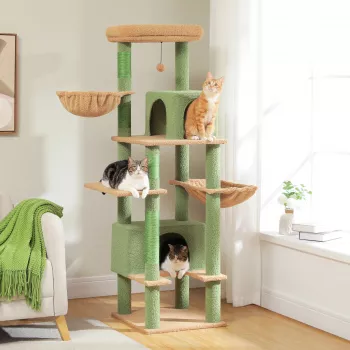
Place it near a wall and check stability on your flooring (carpet vs. hard floors) before encouraging high-speed play. If you’re looking for a spacious setup, explore the Large Cat Tree for Indoor Cats for a multi-level indoor climbing and lounging station.
FAQ
Where should a cat tree be placed indoors?
Place it where your cat already likes to spend time—often near a window or in a social area—while keeping it against a wall or in a corner for added stability. Avoid blocking walkways and keep it clear of hazards like loose cords.
How tall should a cat tree be for indoor cats?
A good height provides at least one elevated perch and a scratching area tall enough for a full-body stretch. The best choice depends on your room’s ceiling clearance and your cat’s age, confidence, and mobility.
How can scratching be redirected to the cat tree?
Start by positioning the tree close to the current scratching spot, then reward any scratching on the post right away. Catnip or treats can draw attention, but the scratching surface also needs to be sturdy and tall enough to feel satisfying.
Recommended for you
Was this article helpful?
Yes
No








Leave a comment