-
Shop
- Advanced Technologies
- Arts, Crafts & Hobbies
- Bathroom
- Best Sellers
- Car Accessories
- Dating & Social Skills
- Digital Resources
- Beauty
- Electronics & Technology
- Emotional Intelligence
- Home Styling & Organization
- Mindfulness
- Nutrition & Healthy Eating
- Personal Style & Fashion
- Pet Lifestyle & Wellness
- Positive Thinking
- Productivity
- Self Confidence
- Sleep Improvement
- Stress Management & Relaxation
- TikTok Growth & Monetization Mastery
- Travel & Adventure
- Yoga & Mind-Body Practices
- Education & Learning
- Family & Parenting
- Fashion
- Alexander McQueen
- Bags
- Bags & Wallets
- Balenciaga
- Belts
- Blazers
- Bottega Veneta
- Brunello Cucinelli
- Burberry
- Chanel
- Chloé
- Dior
- Dolce & Gabbana
- Dresses
- Etro
- Fendi
- Gucci
- Hats & Hair Accessories
- Jacquemus
- Jewelry
- Jil Sander
- Jimmy Choo
- Kiton
- Luggage
- Miu Miu
- Off-White
- Outerwear
- Prada
- Rick Owens
- Saint Laurent
- Socks & Tights
- Sunglasses
- The Row
- Tom Ford
- Valentino
- Valentino Garavani
- Versace
- Vivienne Westwood
- Watches
- Fashion Accessories
- Furniture
- Gadgets
- Health & Beauty
- Health & Wellness
- Home & Garden
- Home Electronics
- Home Supplies
- Kids & Babies
- Kitchen
- Lighting
- Mindset
- Patio, Lawn & Garden
- Personal Growth
- Pet Care
- Pet Supplies
- Pets
- Shoes
- Sport & Outdoors
- Super Deals
- Travel
- Wealth
- Wealth Building
- Budgeting & Saving
- Cryptocurrency Investing
- Debt Management
- Entrepreneurship & Business Growth
- Family Finance & Budgeting
- Financial Independence
- Financial Mindset & Psychology
- Financial Planning
- Frugal Living & Expense Hacks
- Goal Setting
- High-Income Skills
- Investing Basics
- Leadership
- Motivation
- Networking & Mentorship
- Passive Income Strategies
- Real Estate Investing
- Side Hustles
- Stock Market Investing
- Winter Fashion
- YouTube Shorts Best-Sellers
How to Remove TikTok Strikes: Appeals, Copyright, Time
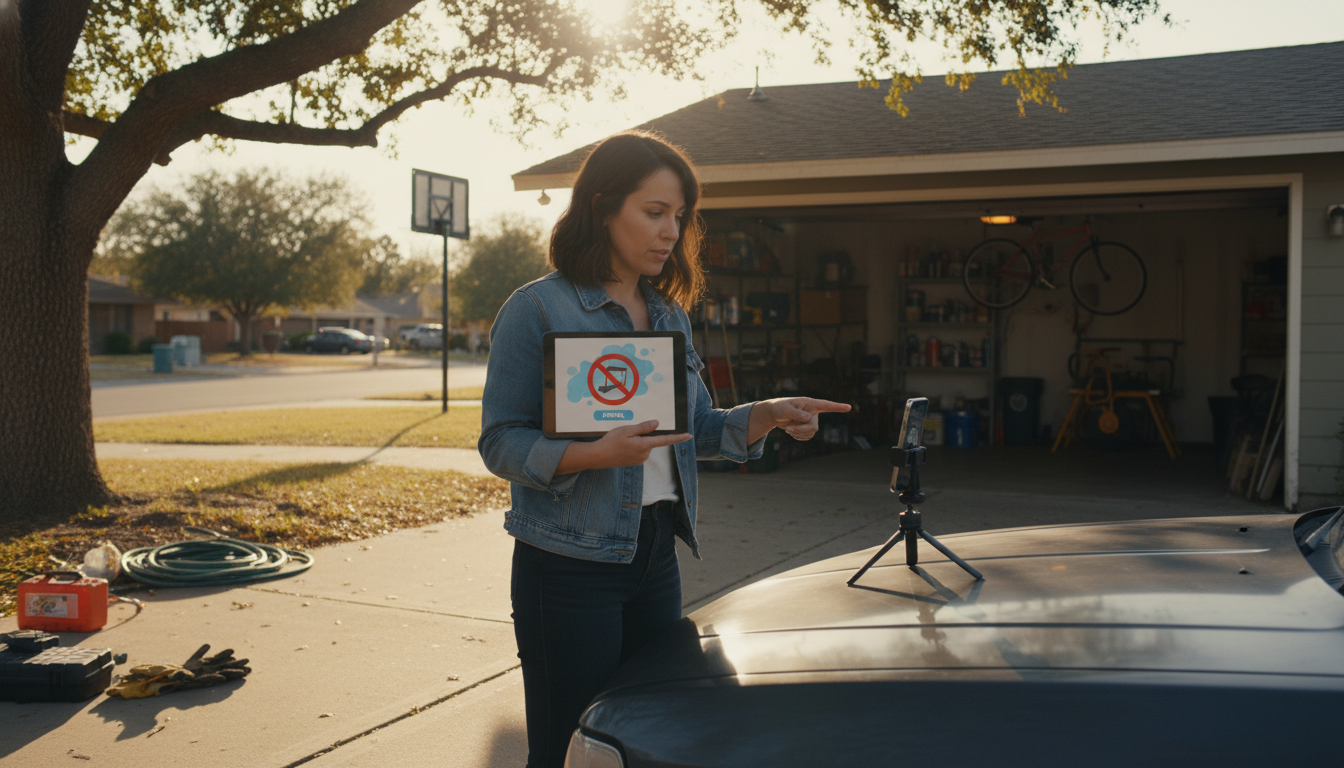
Is there a way to get rid of TikTok strikes?
Sometimes, but it depends on why the strike happened. TikTok strikes are tied to specific policy violations (like Community Guidelines or copyright), and they typically don’t “reset” instantly just because content is deleted. The reliable ways to remove a strike are (1) getting the enforcement reversed through an appeal, or (2) waiting for it to expire if TikTok uses a time-based rolling window for that type of violation.
1) Appeal if the strike was a mistake
If you believe the strike was applied incorrectly, appeal it directly inside the app. Appeals are the only legitimate way to fully clear a strike early, because a successful appeal reverses the enforcement action. Be specific: explain what the content shows, why it complies, and include context (for example, original ownership or permission for a sound/clip if copyright-related).
2) Fix the underlying issue (don’t just delete and repost)
Deleting a video may remove the visible content, but it often doesn’t erase the strike history. Instead, identify what triggered the strike and adjust future posts: avoid reuploading the same clip, remove risky segments, and use properly licensed audio and visuals. Reposting similar content can stack additional strikes and raise the chance of longer restrictions.
3) If it’s copyright, resolve the rights problem
For copyright-related actions, strikes are more likely to stick unless you can show you own the rights or have permission. If you used third-party footage or music without a license, the safest move is to stop using it and switch to original assets or TikTok-cleared audio.
4) Let time work (if no appeal is possible)
Many enforcement systems use a “strike window” where older strikes fall off after a set period—assuming no new violations occur. The practical approach is to post conservatively, avoid borderline trends, and keep account activity clean until the strike ages out.
For a deeper breakdown of how strikes work, what triggers them, and how to avoid suspensions, see this guide to TikTok strikes and safe growth.
FAQ
How many TikTok strikes before your account gets banned?
The exact number can vary by violation type and severity, but repeated strikes within a short period can lead to escalating penalties, including temporary posting limits or permanent removal. One severe violation can also trigger stronger action than multiple minor ones.
Recommended for you


Was this article helpful?
Yes
No








Leave a comment