-
Shop
- Advanced Technologies
- Arts, Crafts & Hobbies
- Bathroom
- Best Sellers
- Car Accessories
- Dating & Social Skills
- Digital Resources
- Beauty
- Electronics & Technology
- Emotional Intelligence
- Home Styling & Organization
- Mindfulness
- Nutrition & Healthy Eating
- Personal Style & Fashion
- Pet Lifestyle & Wellness
- Positive Thinking
- Productivity
- Self Confidence
- Sleep Improvement
- Stress Management & Relaxation
- TikTok Growth & Monetization Mastery
- Travel & Adventure
- Yoga & Mind-Body Practices
- Education & Learning
- Family & Parenting
- Fashion
- Alexander McQueen
- Bags
- Bags & Wallets
- Balenciaga
- Belts
- Blazers
- Bottega Veneta
- Brunello Cucinelli
- Burberry
- Chanel
- Chloé
- Dior
- Dolce & Gabbana
- Dresses
- Etro
- Fendi
- Gucci
- Hats & Hair Accessories
- Jacquemus
- Jewelry
- Jil Sander
- Jimmy Choo
- Kiton
- Luggage
- Miu Miu
- Off-White
- Outerwear
- Prada
- Rick Owens
- Saint Laurent
- Socks & Tights
- Sunglasses
- The Row
- Tom Ford
- Valentino
- Valentino Garavani
- Versace
- Vivienne Westwood
- Watches
- Fashion Accessories
- Furniture
- Gadgets
- Health & Beauty
- Health & Wellness
- Home & Garden
- Home Electronics
- Home Supplies
- Kids & Babies
- Kitchen
- Lighting
- Mindset
- Patio, Lawn & Garden
- Personal Growth
- Pet Care
- Pet Supplies
- Pets
- Shoes
- Sport & Outdoors
- Super Deals
- Travel
- Wealth
- Wealth Building
- Budgeting & Saving
- Cryptocurrency Investing
- Debt Management
- Entrepreneurship & Business Growth
- Family Finance & Budgeting
- Financial Independence
- Financial Mindset & Psychology
- Financial Planning
- Frugal Living & Expense Hacks
- Goal Setting
- High-Income Skills
- Investing Basics
- Leadership
- Motivation
- Networking & Mentorship
- Passive Income Strategies
- Real Estate Investing
- Side Hustles
- Stock Market Investing
- Winter Fashion
- YouTube Shorts Best-Sellers
4-Pack Ratchet Straps: 10,000 lb Break Strength Guide
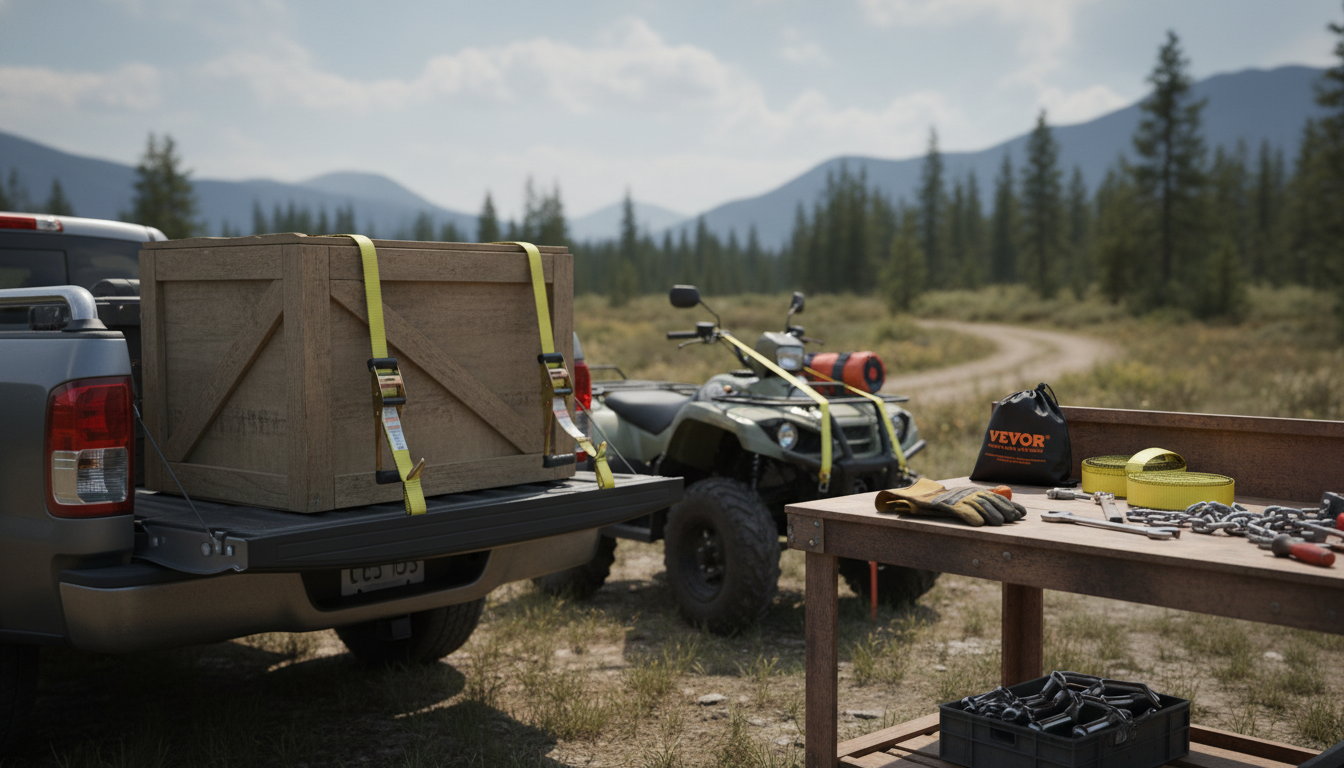
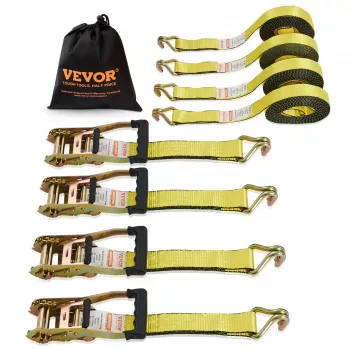
4-Pack Ratchet Tie Down Straps (10,000 lb Break Strength) with Double J Hooks for Cargo
Heavy cargo needs secure, repeatable tension and dependable hardware. This 4-pack of ratchet tie down straps is built for hauling loads on trailers, flatbeds, roof racks, and truck beds, using a high break-strength webbing and double J hooks designed to stay seated during transport. Use the sections below to match strap capacity to the job, set up safely, and avoid common tie-down mistakes.
What’s Included and What It’s For
- 4 ratchet straps intended for securing cargo during transport on trailers, trucks, and racks
- Double J hooks designed for common anchor points such as D-rings, stake pockets (with appropriate adapters), and trailer rails
- Ratchet mechanism helps apply controlled tension and reduces slack that can develop after the first miles
- Typical uses: ATVs/UTVs, pallets, appliances, motorcycles (with correct soft loops), lumber, and equipment cases
Key Specs at a Glance
- Break strength rating: 10,000 lb (verify working load limit on the label before use)
- Hook style: double J hook for versatile anchoring
- Pack size: 4 straps for balanced tie-down patterns (front/back or cross-pattern setups)
- Best practice: choose straps based on working load limit (WLL), not break strength alone
Quick Match Guide (Typical Use Cases)
| Cargo type | Recommended tie-down approach | Notes |
|---|---|---|
| Motorcycle / dirt bike | 4-point tie-down (2 front, 2 rear) + soft loops | Avoid metal hook contact on handlebars; compress suspension moderately |
| ATV / UTV | 4-point tie-down at frame points | Re-check tension after first 5–10 miles; protect sharp edges |
| Appliances / furniture | 2–4 straps around the load + corner protectors | Prevent strap abrasion on corners; avoid over-tightening on fragile panels |
| Lumber / building materials | Multiple straps spaced along length | Use edge protection; keep webbing away from sharp metal |
Understanding Ratings: Break Strength vs Working Load Limit
- Break strength is the maximum force before failure under controlled conditions; it is not a safe everyday limit.
- Working load limit (WLL) is the safe load rating used for selecting tie-downs; it is typically a fraction of break strength and should be printed on the strap label.
- For securement, the combined WLL of tie-downs should meet or exceed the weight of the cargo (and follow any applicable regulations for your use case).
- If the strap label is missing or unreadable, the strap should not be used for critical loads.
When you’re hauling on public roads, it’s smart to align your setup with established guidance such as the FMCSA cargo securement rules and general towing safety recommendations from NHTSA trailer safety resources.
How to Set Up Double J Hooks Correctly
- Inspect anchor points: use rated D-rings or rails; avoid thin sheet metal edges or corroded points.
- Seat the double J hook fully so the hook’s throat captures the anchor; keep the hook aligned to reduce side-loading.
- Keep hooks from rubbing painted surfaces; use protective sleeves or choose alternate anchor points.
- Avoid twisting the webbing; twists reduce surface contact and can increase wear and vibration noise.
Double J hooks are popular because they can feel more “captured” on many anchor shapes than a simple S hook, but they still need clean geometry. If the hook is pulling from an odd angle, reposition the strap or choose a different anchor so the load is carried in-line.
Step-by-Step: Tensioning and Locking the Ratchet
- Thread webbing through the ratchet spindle (take-up) and pull slack by hand before ratcheting.
- Ratchet until snug; for delicate cargo, use enough tension to stop movement without crushing.
- Close the handle fully until it locks; confirm the mechanism is flat/closed and not partially engaged.
- After driving a short distance, stop and re-check tension—webbing can settle and slack can appear.
- To release: open the ratchet fully, pull the release lever, and unwind the webbing carefully to avoid snap-back.
If you’re securing something with suspension (motorcycles, some equipment), tighten in small increments and alternate sides so the load stays centered. A common mistake is fully tightening one strap first, which can pull the load off line and overload one anchor point.
Safety Checks Before Every Trip
For workplace lifting/rigging and general strap safety references, consult applicable standards and guidance hosted by OSHA. While cargo tie-down and lifting slings are different categories, the inspection mindset is the same: if damage is visible or the equipment is questionable, replace it.
Smart Tie-Down Patterns That Reduce Movement
Care, Storage, and Longevity
Product Options Available Now
- 4PK Ratchet Tie Down Straps 10000 lb Break Strength with Double J Hook for Cargo (in stock)
- How To Relax Your Body And Live With Less Stress (in stock)
FAQ
Is 10,000 lb break strength the same as working load limit?
No. Break strength is the point where a strap may fail under controlled testing, while the working load limit (WLL) is the safer rating used to select tie-downs for real transport; check the strap label for the WLL before using it on any load.
How many ratchet straps should be used to secure a motorcycle or ATV?
A 4-point setup is a reliable baseline: two straps at the front and two at the rear, using soft loops where needed to avoid metal-on-metal contact. After the first 5–10 miles, stop and re-check tension because the load and webbing can settle.
Why do ratchet straps loosen after driving a few miles?
Loads often settle into place, webbing can seat around edges, and vibration plus temperature or moisture changes can introduce slack. A quick early stop to re-tighten, along with proper routing and edge protection, usually prevents recurring loosening.
Recommended for you


Was this article helpful?
Yes
No








Leave a comment