-
Shop
- Advanced Technologies
- Arts, Crafts & Hobbies
- Bathroom
- Best Sellers
- Car Accessories
- Dating & Social Skills
- Digital Resources
- Beauty
- Electronics & Technology
- Emotional Intelligence
- Home Styling & Organization
- Mindfulness
- Nutrition & Healthy Eating
- Personal Style & Fashion
- Pet Lifestyle & Wellness
- Positive Thinking
- Productivity
- Self Confidence
- Sleep Improvement
- Stress Management & Relaxation
- TikTok Growth & Monetization Mastery
- Travel & Adventure
- Yoga & Mind-Body Practices
- Education & Learning
- Family & Parenting
- Fashion
- Alexander McQueen
- Bags
- Bags & Wallets
- Balenciaga
- Belts
- Blazers
- Bottega Veneta
- Brunello Cucinelli
- Burberry
- Chanel
- Chloé
- Dior
- Dolce & Gabbana
- Dresses
- Etro
- Fendi
- Gucci
- Hats & Hair Accessories
- Jacquemus
- Jewelry
- Jil Sander
- Jimmy Choo
- Kiton
- Luggage
- Miu Miu
- Off-White
- Outerwear
- Prada
- Rick Owens
- Saint Laurent
- Socks & Tights
- Sunglasses
- The Row
- Tom Ford
- Valentino
- Valentino Garavani
- Versace
- Vivienne Westwood
- Watches
- Fashion Accessories
- Furniture
- Gadgets
- Health & Beauty
- Health & Wellness
- Home & Garden
- Home Electronics
- Home Supplies
- Kids & Babies
- Kitchen
- Lighting
- Mindset
- Patio, Lawn & Garden
- Personal Growth
- Pet Care
- Pet Supplies
- Pets
- Shoes
- Sport & Outdoors
- Super Deals
- Travel
- Wealth
- Wealth Building
- Budgeting & Saving
- Cryptocurrency Investing
- Debt Management
- Entrepreneurship & Business Growth
- Family Finance & Budgeting
- Financial Independence
- Financial Mindset & Psychology
- Financial Planning
- Frugal Living & Expense Hacks
- Goal Setting
- High-Income Skills
- Investing Basics
- Leadership
- Motivation
- Networking & Mentorship
- Passive Income Strategies
- Real Estate Investing
- Side Hustles
- Stock Market Investing
- Winter Fashion
- YouTube Shorts Best-Sellers
12V Kids Ride-On Dump Truck: Remote, Battery & Safety
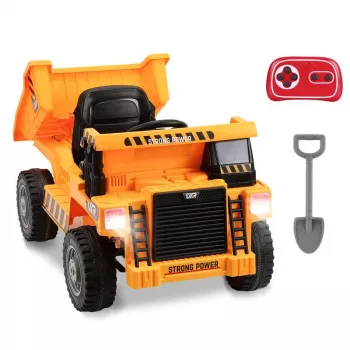
12V Kids Ride-On Dump Truck with Remote Control and Rechargeable Battery: What to Expect and How to Use It Safely
A powered dump truck ride-on combines pretend construction play with real driving controls. A 12V platform is often the “sweet spot” for backyard and driveway use because it typically has more strength than smaller 6V models, while still being sized for young drivers. Below is what to look for in a 12V ride-on dump truck, how remote control changes the experience for beginners, what battery and motor numbers can tell you about everyday performance, and the practical safety habits that keep playtime smooth.
Who This Ride-On Dump Truck Fits Best
- Kids who love construction-themed play and want a vehicle with a real dumping function for hauling toys, blocks, or other lightweight items.
- Families who want a parent-controlled driving option (remote control) to help with steering, speed, and stopping during early use.
- Backyard and driveway play where a 12V setup can handle typical outdoor surfaces better than many 6V ride-ons.
- Gift situations where rechargeability, durability, and a realistic “job site” feel matter more than having the smallest footprint.
Core Features to Check on a 12V Dump Truck Ride-On
Power system
A 12V battery platform generally supports longer, more confident movement on flat-to-mild outdoor surfaces. Motor ratings (often shown in watts) can hint at how steady the truck will feel when your child starts and stops frequently or adds light cargo.
Remote control mode
A parent remote can make the first few rides calmer: you can guide turns, limit the chaos in tight areas, and stop quickly when a pet, sibling, or sidewalk crack appears at the wrong moment.
Manual driving mode
Once a child consistently sits properly, watches where they’re going, and understands stopping distance, manual pedal-and-steering control helps them build coordination and confidence. A ride-on that offers both modes tends to stay interesting longer.
Dump bed function
Look for a bed that lifts and lowers in a repeatable way (without wrestling it), with a stable hinge and minimal pinch points where small fingers naturally reach. The best dump beds feel “job site real” but remain easy for kids to operate without forcing the mechanism.
Traction, stability, and comfort
Wide wheelbases, grippy tires, and a planted feel during turns matter as much as raw power. Comfort details—seat size, any included belt, and an easy step-in height—make it more likely the truck gets used often instead of becoming a “special occasion” toy.
Charging access
A protected charging port location reduces accidental yanks, dirt intrusion, and water exposure. Clear battery/charging indicators (when included) also help adults avoid overuse or forgotten charging routines.
Performance Expectations: Battery, Motors, and Real-World Use
A 12V rechargeable system is designed for regular outdoor play, but real-world run time depends on several factors: rider weight, surface type (pavement usually rolls easier than grass), how often the truck stops/starts, and whether the dump bed is used constantly as part of the game.
Motor wattage can influence how the ride-on feels when the terrain changes slightly—like moving from a driveway onto short grass—or when the dump bed has a light load. Even with a capable motor rating, it’s smart to treat these toys as “flat-ground vehicles” first: smoother pavement and short, even grass are usually the easiest and safest. Avoid steep slopes, loose gravel, mud, and any area near pools, streets, or drop-offs.
| Detail | What it means for play | What to confirm before buying/using |
|---|---|---|
| 12V battery | More capability than smaller voltage systems for outdoor play on flat-to-mild surfaces | Charge time guidance, battery access, and replacement availability |
| 70W motor rating | Supports steady movement and helps with mild terrain variation | Whether performance changes under load and with different surfaces |
| Remote control | Parent can steer/stop to support beginners | Range, pairing steps, and emergency stop behavior |
| Dump bed | Adds “work truck” roleplay and hauling fun | Lift mechanism, hinge stability, and safe pinch-point design |
Remote Control: How It Changes the Learning Curve
Battery Care and Charging Habits
Safety Setup Checklist Before the First Drive
For broader toy and child safety guidance, review recommendations from the U.S. Consumer Product Safety Commission (CPSC) and injury-prevention resources from the American Academy of Pediatrics.
Ideas for Play: Getting More Than Just “Driving Around”
Product Option Available Now
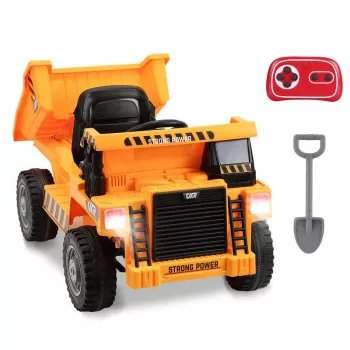
If you’re looking for a construction-themed ride-on that pairs kid driving with parent guidance, consider the 12V 70W Kids Ride-On Dump Truck with Remote Control & Rechargeable Battery. Before the first ride, confirm it fits the intended child’s age/size, match it to appropriate surfaces, and set a clear driving zone.
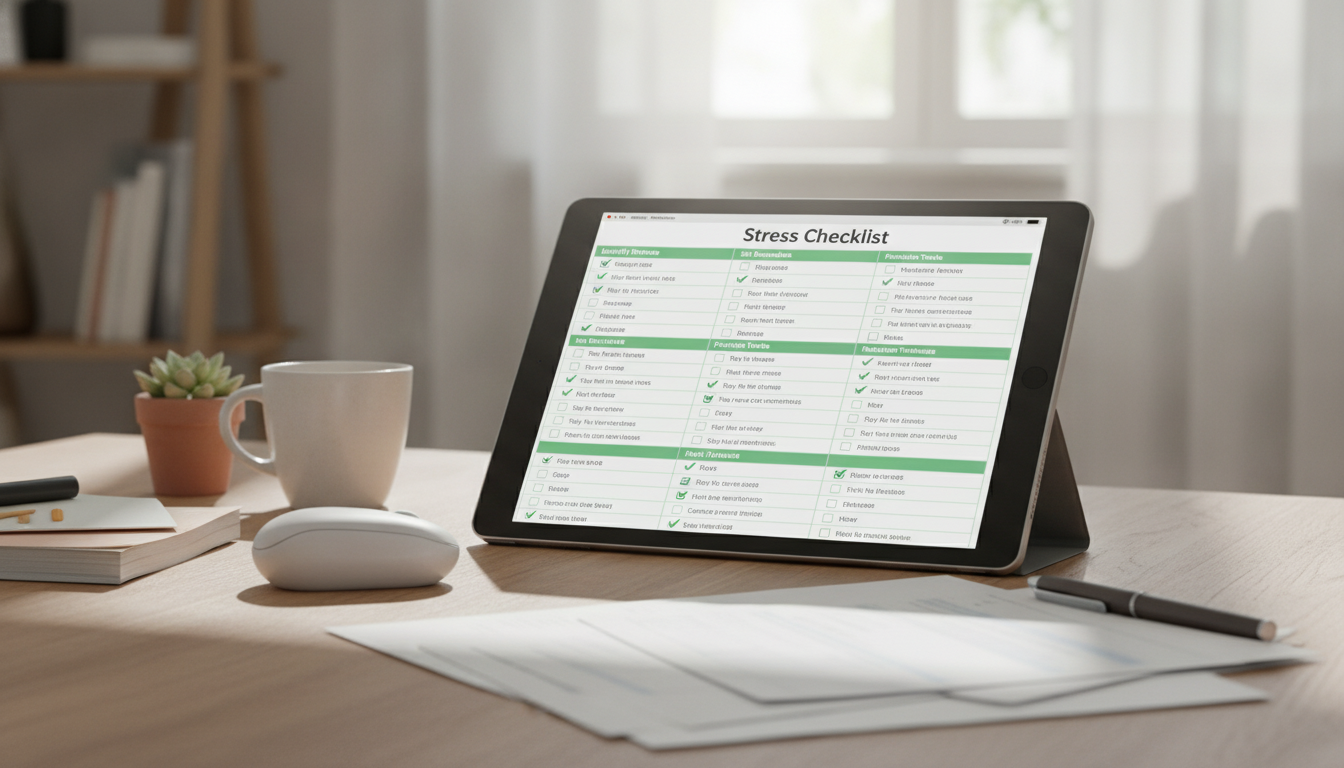
For parents who like having a simple reset routine after outdoor play supervision, How To Relax Your Body And Live With Less Stress is also available.
FAQ
How long does a 12V rechargeable ride-on dump truck run on a charge?
Run time varies with rider weight, terrain (grass typically drains faster than pavement), speed settings, and frequent stops/starts. Plan shorter early sessions and recharge after use so the battery stays ready and avoids deep discharge.
Is a remote control ride-on dump truck safe for younger kids?
Remote control can improve supervision by allowing an adult to steer and stop quickly, especially during the learning phase. Safety still depends on active adult oversight, a flat play area away from streets/slopes/water, and consistent use of any included seat belt.
Can the dump bed carry real dirt or rocks?
Lightweight, soft cargo is the safer choice. Heavy or abrasive materials can overload the motor, shorten battery life, and increase tipping or pinch risks, so it’s best to follow any stated weight limits and keep loads modest.
Recommended for you

Was this article helpful?
Yes
No









Leave a comment