-
Shop
- Advanced Technologies
- Arts, Crafts & Hobbies
- Bathroom
- Best Sellers
- Car Accessories
- Dating & Social Skills
- Digital Resources
- Beauty
- Electronics & Technology
- Emotional Intelligence
- Home Styling & Organization
- Mindfulness
- Nutrition & Healthy Eating
- Personal Style & Fashion
- Pet Lifestyle & Wellness
- Positive Thinking
- Productivity
- Self Confidence
- Sleep Improvement
- Stress Management & Relaxation
- TikTok Growth & Monetization Mastery
- Travel & Adventure
- Yoga & Mind-Body Practices
- Education & Learning
- Family & Parenting
- Fashion
- Alexander McQueen
- Bags
- Bags & Wallets
- Balenciaga
- Belts
- Blazers
- Bottega Veneta
- Brunello Cucinelli
- Burberry
- Chanel
- Chloé
- Dior
- Dolce & Gabbana
- Dresses
- Etro
- Fendi
- Gucci
- Hats & Hair Accessories
- Jacquemus
- Jewelry
- Jil Sander
- Jimmy Choo
- Kiton
- Luggage
- Miu Miu
- Off-White
- Outerwear
- Prada
- Rick Owens
- Saint Laurent
- Socks & Tights
- Sunglasses
- The Row
- Tom Ford
- Valentino
- Valentino Garavani
- Versace
- Vivienne Westwood
- Watches
- Fashion Accessories
- Furniture
- Gadgets
- Health & Beauty
- Health & Wellness
- Home & Garden
- Home Electronics
- Home Supplies
- Kids & Babies
- Kitchen
- Lighting
- Mindset
- Patio, Lawn & Garden
- Personal Growth
- Pet Care
- Pet Supplies
- Pets
- Shoes
- Sport & Outdoors
- Super Deals
- Travel
- Wealth
- Wealth Building
- Budgeting & Saving
- Cryptocurrency Investing
- Debt Management
- Entrepreneurship & Business Growth
- Family Finance & Budgeting
- Financial Independence
- Financial Mindset & Psychology
- Financial Planning
- Frugal Living & Expense Hacks
- Goal Setting
- High-Income Skills
- Investing Basics
- Leadership
- Motivation
- Networking & Mentorship
- Passive Income Strategies
- Real Estate Investing
- Side Hustles
- Stock Market Investing
- Winter Fashion
- YouTube Shorts Best-Sellers
3-Pack Reusable Pocket Diapers: Suede Lining, Easy Fit
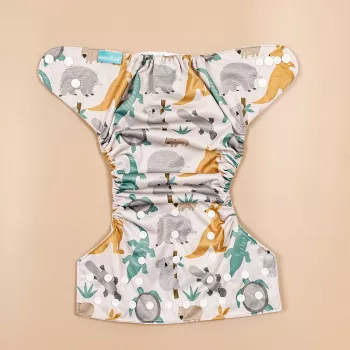
Everyday Ease with a 3-Pack of Reusable Pocket Diapers
Reusable pocket diapers offer a practical way to handle daily changes with less waste and more control over absorbency. This 3-pack set with a suede cloth lining is designed for comfort against the skin, easier clean-up, and flexible stuffing options so absorbency can be adjusted for naps, overnights, and outings. If you like the idea of building a simple routine—stuff, snap (or fasten), change, wash, repeat—pocket diapers are one of the most straightforward cloth options to start with.
To see the set, visit 3-Pack Reusable Pocket Diapers with Suede Cloth Lining.
What a pocket diaper is (and why the pocket matters)
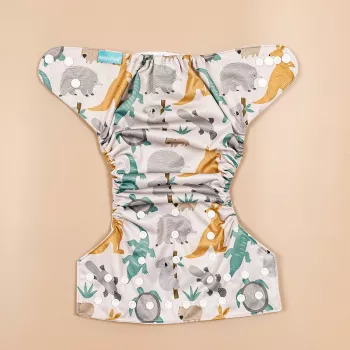
A pocket diaper looks like a single diaper, but it’s really two parts working together: a waterproof outer shell and an inner lining with an opening (the “pocket”) where absorbent inserts are placed. That pocket is the whole advantage—because it lets you fine-tune absorbency without switching to a different diaper style.
- Pocket-style design includes an opening where absorbent inserts can be placed, allowing absorbency to be customized.
- Different insert combinations can be used for daytime, naps, or overnight depending on baby’s needs.
- Removable inserts can help diapers dry faster compared with all-in-one styles.
Many families like to pre-stuff a few diapers at once so changes are just as quick as grabbing a disposable—especially useful for daycare bags, babysitters, or errands.
Suede cloth lining: feel, function, and skin comfort
Suede cloth lining is commonly chosen for its soft, “stay-dryer” feel. While the insert provides the real absorbent capacity, the lining helps move moisture away from the skin surface so baby feels drier between changes.
- Suede cloth lining is typically designed to feel soft and help wick moisture away from the skin surface.
- A stay-dryer feel can be helpful for babies who are sensitive to wetness between changes.
- Pairing the lining with the right insert material can improve comfort and reduce the chance of lingering dampness.
If your baby is prone to irritation, keeping the diaper area clean and dry is part of the equation. For general diaper rash guidance and what to watch for, see the American Academy of Pediatrics resource on diaper rash.
How to set up absorbency with inserts
Absorbency is where pocket diapers shine. You can keep things trim for daytime and add capacity only when you need it. The goal is to match your baby’s output and the time between changes—without adding so much bulk that the fit gets sloppy.
- Start with a single insert for daytime and increase absorbency for naps or longer stretches between changes.
- For heavier wetters, layer inserts (for example: faster-absorbing insert on top, higher-capacity insert underneath).
- Avoid overstuffing: too much bulk can affect fit around legs and waist and may contribute to leaks.
Common insert setup ideas (general guide)
| Situation | Goal | Typical setup approach |
|---|---|---|
| Daytime changes | Comfort with moderate absorbency | 1 insert; change on a regular schedule |
| Naps | Extra capacity with good absorption speed | 2 thinner inserts or a faster + higher-capacity pairing |
| Overnight | Maximum capacity and leak prevention | Higher-capacity combination; prioritize snug leg fit and proper rise |
Fit and leak prevention essentials
Even the best insert setup can leak if fit is off. Pocket diapers depend on good seals at the legs and waist, plus a tidy tuck of the inner lining so moisture doesn’t “wick” onto clothing.
Daily routine: storage, washing, and drying
Good hand hygiene matters during changes and laundry handling; the CDC has a helpful overview of handwashing and hygiene basics that fits right into diaper routines.
Comfort and hygiene tips (odor, rash, and buildup)
If parenting a newborn or teething baby means shorter sleep and more stress, building small, repeatable resets can help on busy days. Some caregivers like keeping a simple routine guide on hand, such as How To Relax Your Body And Live With Less Stress or a quick-reference download like Checklist: Bright Mind Boost — Your Simple Daily Guide to Staying Positive.
Reusable vs disposable: what tends to differ in daily life
For a broader view of waste reduction habits at home, the EPA’s overview of Reduce, Reuse, Recycle provides a useful framework.
Quick comparison for planning
| Factor | Reusable pocket diapers | Disposable diapers |
|---|---|---|
| Up-front cost | Higher initially (diapers + inserts) | Lower initially |
| Ongoing cost | Lower over time with reuse | Continuous purchases |
| Waste | Less landfill waste | More landfill waste |
| Customization | Adjust inserts for absorbency | Limited options per size/type |
| Laundry | Regular washing required | No washing required |
Who this 3-pack can be a good match for
Product details and what to confirm before ordering
If you’re ready to add them to your rotation, the product page is here: 3-Pack Reusable Pocket Diapers with Suede Cloth Lining.
FAQ
How often should pocket diapers be changed?
Most babies do best with changes about every 2–3 hours during the day, with timing adjusted for age, feeding, and output. Higher-absorbency insert setups can help prevent leaks, but they don’t replace regular changes for skin comfort.
Can suede cloth lining help keep skin drier?
Suede cloth is designed to wick moisture through to the insert, creating a stay-dry feel against the skin. The insert provides the absorbent capacity, so pairing the lining with the right insert, a good fit, and timely changes makes the biggest difference.
What causes leaks with pocket diapers?
Common causes include not enough absorbency, gaps at the legs or waist, overstuffing that disrupts the seal, detergent buildup that causes repelling, and inner fabric sticking out past the cover edge and wicking onto clothes.
Recommended for you


Was this article helpful?
Yes
No









Leave a comment