-
Shop
- Advanced Technologies
- Arts, Crafts & Hobbies
- Bathroom
- Best Sellers
- Car Accessories
- Dating & Social Skills
- Digital Resources
- Beauty
- Electronics & Technology
- Emotional Intelligence
- Home Styling & Organization
- Mindfulness
- Nutrition & Healthy Eating
- Personal Style & Fashion
- Pet Lifestyle & Wellness
- Positive Thinking
- Productivity
- Self Confidence
- Sleep Improvement
- Stress Management & Relaxation
- TikTok Growth & Monetization Mastery
- Travel & Adventure
- Yoga & Mind-Body Practices
- Education & Learning
- Family & Parenting
- Fashion
- Alexander McQueen
- Bags
- Bags & Wallets
- Balenciaga
- Belts
- Blazers
- Bottega Veneta
- Brunello Cucinelli
- Burberry
- Chanel
- Chloé
- Dior
- Dolce & Gabbana
- Dresses
- Etro
- Fendi
- Gucci
- Hats & Hair Accessories
- Jacquemus
- Jewelry
- Jil Sander
- Jimmy Choo
- Kiton
- Luggage
- Miu Miu
- Off-White
- Outerwear
- Prada
- Rick Owens
- Saint Laurent
- Socks & Tights
- Sunglasses
- The Row
- Tom Ford
- Valentino
- Valentino Garavani
- Versace
- Vivienne Westwood
- Watches
- Fashion Accessories
- Furniture
- Gadgets
- Health & Beauty
- Health & Wellness
- Home & Garden
- Home Electronics
- Home Supplies
- Kids & Babies
- Kitchen
- Lighting
- Mindset
- Patio, Lawn & Garden
- Personal Growth
- Pet Care
- Pet Supplies
- Pets
- Shoes
- Sport & Outdoors
- Super Deals
- Travel
- Wealth
- Wealth Building
- Budgeting & Saving
- Cryptocurrency Investing
- Debt Management
- Entrepreneurship & Business Growth
- Family Finance & Budgeting
- Financial Independence
- Financial Mindset & Psychology
- Financial Planning
- Frugal Living & Expense Hacks
- Goal Setting
- High-Income Skills
- Investing Basics
- Leadership
- Motivation
- Networking & Mentorship
- Passive Income Strategies
- Real Estate Investing
- Side Hustles
- Stock Market Investing
- Winter Fashion
- YouTube Shorts Best-Sellers
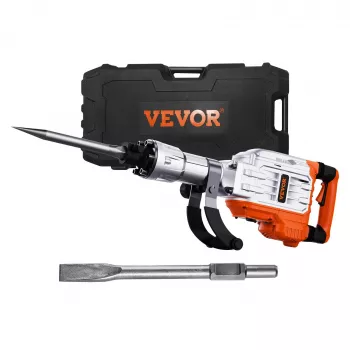
3500W Demolition Jack Hammer: 1900 BPM Concrete Breaker
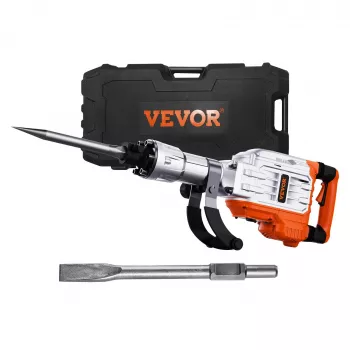
3500W Electric Demolition Jack Hammer (1900 BPM) Concrete Breaker with 2 Chisels
Breaking up concrete, brick, and masonry is hard work—especially when the material is thick, bonded, or reinforced. A high-impact electric demolition hammer can turn a slow, exhausting teardown into a controlled, repeatable process: start a crack, open it, section the slab, then clear debris. This guide covers what to expect from a 3500W electric demolition jack hammer at 1900 BPM, how to use the included chisels effectively, and the operating and maintenance habits that help you keep progress steady on tough material.
What This Demolition Hammer Is Built For
This tool category is designed around sustained impact energy rather than precision drilling. It’s a practical choice when the job is more about breaking and lifting than placing accurate holes.
- Concrete and slab breakup for patios, walkways, footings, and small demolition jobs
- Chipping away masonry, removing tile/thinset, and opening channels in block or brick
- Best suited to medium-to-heavy demolition where sustained impact matters more than precision drilling
- Electric power can simplify indoor or residential work where gas tools are impractical
Key Performance Features That Affect Real-World Speed
On paper, wattage and blow rate look straightforward, but speed in the field comes from how consistently the tool transfers energy into the workpiece without bouncing, skating, or overheating.
- 3500W motor: Supports strong impact energy and helps the tool keep breaking under load instead of stalling when concrete gets dense.
- 1900 BPM (blows per minute): A steady impact cadence aimed at continuous removal rather than quick, light tapping.
- Mass and impact force: More weight and strike energy can help the bit stay engaged, reducing surface skipping on smooth slabs.
- Control points: Ergonomics and auxiliary handles matter when you’re working near edges, around footings, or at angles where the bit wants to walk.
At-a-Glance Specs and What They Mean on the Job
| Spec / Item | Value | Why it matters |
|---|---|---|
| Rated power | 3500W | Higher wattage supports sustained breaking and reduces bog-down in dense concrete. |
| Impact rate | 1900 BPM | A steady blow rate helps maintain progress in continuous demolition. |
| Included chisels | 2 chisels | Switch between general breaking and more directed splitting/chipping depending on tip style. |
| Tool category | Electric demolition hammer | Optimized for breaking rather than drilling; ideal for slab and masonry demolition. |
Chisel Choices: When to Use Each Tip
The fastest jobs usually involve switching tips at the right moment instead of trying to force one chisel to do everything.
- Point chisel: Use it to start holes, attack thicker sections, and concentrate force to initiate cracks—especially where the slab is stubborn or the surface is polished.
- Flat chisel: Use it to peel layers, lift tile/mortar beds, and widen cracks once the first break is established.
- Efficient sequence: Score or define a line where possible, open a crack with a point, then switch to a flat to “lever” material up and separate sections.
- Tip condition: Keep chisel ends clean and undamaged; mushroomed or chipped tips waste energy and can create unsafe fragments.
Setup and Operating Tips for Faster Breakup
Technique often decides whether a slab comes apart in manageable pieces or turns into a long session of grinding one crater.
- Start at a weakness: Begin at an edge, control joint, cold joint, or existing crack so you spend less time creating a break line from scratch.
- Let impact do the work: Excess bodyweight doesn’t always increase speed; it can increase fatigue and make it harder to keep the bit seated.
- Work a grid: Break a channel, then subdivide the slab into smaller sections you can actually move. Smaller pieces typically mean faster cleanup and fewer stuck chunks.
- Reposition often: Short, controlled runs tend to outperform staying in one spot too long, especially when the bit starts polishing the surface instead of biting.
- Power delivery matters: If an extension cord is needed, use a heavy-duty cord rated for high draw to avoid voltage drop, heat, and performance loss.
Safety and Dust Control on Concrete and Masonry
- Silica awareness: Concrete and masonry dust can contain respirable crystalline silica. Use wet methods or local capture (HEPA vacuum) where feasible and appropriate. Refer to the OSHA Respirable Crystalline Silica Standard for Construction for exposure considerations.
- Eye and face protection: Chips can eject unpredictably during spalling and edge breaks. Follow guidance such as OSHA’s Eye and Face Protection eTool.
- Hearing protection: Sustained demolition sessions can exceed safe noise levels quickly; protect hearing consistently.
- Vibration and grip: Gloves and stable footing help manage vibration and sudden bit catch. For background on vibration exposure, see CDC/NIOSH guidance on hand-arm vibration.
- Hidden hazards: Check for embedded rebar, conduit, plumbing, or post-tension cables before breaking. When in doubt, verify with plans or a qualified professional.
Maintenance Habits That Preserve Impact Power
When a Demolition Hammer Is the Right Tool (and When It Isn’t)
Shop In-Stock Picks
- 3500W Electric Demolition Jack Hammer – 1900 BPM Concrete Breaker with 2 Chisels
- Dog Backpack Vest with Leash Buckle
- How To Relax Your Body And Live With Less Stress
FAQ
What does 1900 BPM mean for concrete breaking?
1900 BPM means the tool delivers about 1900 blows per minute. A steady impact rate helps maintain consistent chipping and breaking, but real speed also depends on technique, chisel choice, and the concrete’s thickness and reinforcement.
Which chisel should be used first: point or flat?
Start with a point chisel to initiate cracks or penetrate stubborn areas, then switch to a flat chisel to widen cracks, peel layers, and lift material more efficiently.
How can dust be reduced when breaking concrete indoors?
Use wet methods where safe, capture dust with a HEPA vacuum, isolate the work area, and wear a properly rated respirator. Cleaning with controlled vacuuming (instead of dry sweeping) also helps limit silica-containing dust buildup.
Recommended for you
Was this article helpful?
Yes
No










Leave a comment