-
Shop
- Advanced Technologies
- Arts, Crafts & Hobbies
- Bathroom
- Best Sellers
- Car Accessories
- Dating & Social Skills
- Digital Resources
- Beauty
- Electronics & Technology
- Emotional Intelligence
- Home Styling & Organization
- Mindfulness
- Nutrition & Healthy Eating
- Personal Style & Fashion
- Pet Lifestyle & Wellness
- Positive Thinking
- Productivity
- Self Confidence
- Sleep Improvement
- Stress Management & Relaxation
- TikTok Growth & Monetization Mastery
- Travel & Adventure
- Yoga & Mind-Body Practices
- Education & Learning
- Family & Parenting
- Fashion
- Alexander McQueen
- Bags
- Bags & Wallets
- Balenciaga
- Belts
- Blazers
- Bottega Veneta
- Brunello Cucinelli
- Burberry
- Chanel
- Chloé
- Dior
- Dolce & Gabbana
- Dresses
- Etro
- Fendi
- Gucci
- Hats & Hair Accessories
- Jacquemus
- Jewelry
- Jil Sander
- Jimmy Choo
- Kiton
- Luggage
- Miu Miu
- Off-White
- Outerwear
- Prada
- Rick Owens
- Saint Laurent
- Socks & Tights
- Sunglasses
- The Row
- Tom Ford
- Valentino
- Valentino Garavani
- Versace
- Vivienne Westwood
- Watches
- Fashion Accessories
- Furniture
- Gadgets
- Health & Beauty
- Health & Wellness
- Home & Garden
- Home Electronics
- Home Supplies
- Kids & Babies
- Kitchen
- Lighting
- Mindset
- Patio, Lawn & Garden
- Personal Growth
- Pet Care
- Pet Supplies
- Pets
- Shoes
- Sport & Outdoors
- Super Deals
- Travel
- Wealth
- Wealth Building
- Budgeting & Saving
- Cryptocurrency Investing
- Debt Management
- Entrepreneurship & Business Growth
- Family Finance & Budgeting
- Financial Independence
- Financial Mindset & Psychology
- Financial Planning
- Frugal Living & Expense Hacks
- Goal Setting
- High-Income Skills
- Investing Basics
- Leadership
- Motivation
- Networking & Mentorship
- Passive Income Strategies
- Real Estate Investing
- Side Hustles
- Stock Market Investing
- Winter Fashion
- YouTube Shorts Best-Sellers
Bright Mind Boost: Daily Checklist to Stay Positive

Checklist: Bright Mind Boost — A Simple Daily Guide to Staying Positive
Staying positive isn’t about forcing happiness—it’s about building small, repeatable habits that make calmer, clearer thoughts more likely to show up. A daily checklist turns “keep positive thoughts” into practical steps that fit real schedules, including quick resets for stressful moments and an easy way to track what actually improves mood over time.
If you like having a ready-to-use structure, Checklist: Bright Mind Boost — digital download is designed to be simple enough for busy days and supportive enough for tough ones.
What a “bright mind” day looks like
A “bright mind” day isn’t problem-free. It’s a day where your inner weather is more steady, and when it isn’t, you recover faster.
- More steady energy, fewer emotional spikes, and faster recovery after setbacks
- A focus on what can be controlled today (actions, boundaries, attention)
- A default toward helpful interpretations rather than worst-case stories
- Consistency over intensity: small daily reps beat occasional big motivation
- Progress is measured by responses to stress, not the absence of stress
For a deeper look at how stress affects thoughts and behavior, the American Psychological Association’s stress resources are a solid starting point.
The daily checklist framework (morning, midday, evening)
The goal is not a perfect day—it’s a rhythm that gives your mind multiple chances to reset. Think of it as three checkpoints: set the tone, prevent stress from stacking, then close the loop.
Morning: set the tone (before screens if possible)
- Do one grounding action: breathing, a light stretch, or a glass of water.
- Choose one intention that is behavior-based (example: “speak kindly to myself when corrected”).
Midday: a 2–5 minute reset
- Use a short walk, sunlight, or gentle movement to interrupt accumulating tension.
- If you’re desk-bound, stand up, drop your shoulders, and take three slower breaths.
Evening: reinforce wins, reduce rumination
- Write three lines, not a journal essay: one win, one lesson, one gratitude.
- If a step is skipped, restart at the next checkpoint rather than “starting over tomorrow.”
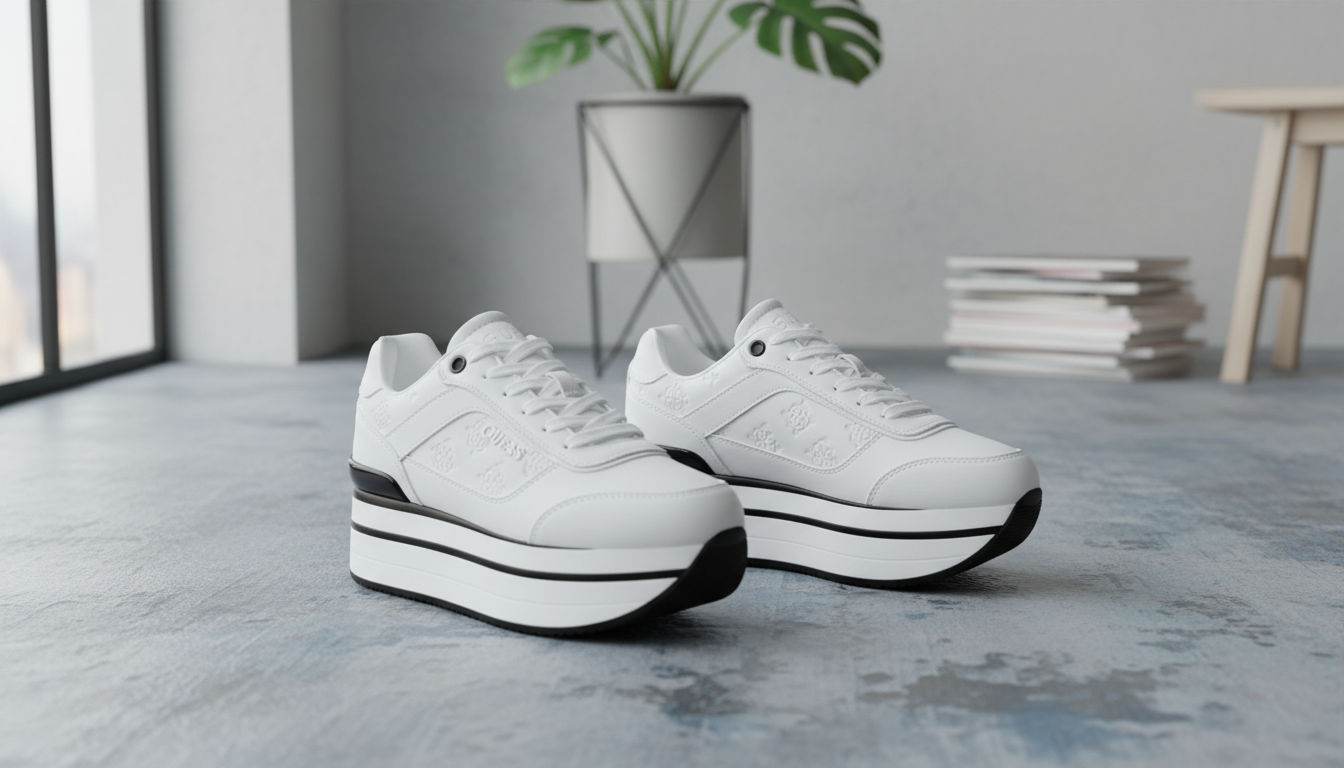
Make it friction-free: keep your checklist visible (phone lock screen, printed sheet by the kettle, notes app). If your “midday reset” includes a brief walk, comfortable footwear can remove a surprising amount of resistance—something like New Balance Leather Sneakers can make the “just go outside for two minutes” option feel more doable.
Simple daily positivity checklist (sample structure)
| Time | Checklist item | Duration | Why it helps | Quick option |
|---|---|---|---|---|
| Morning | Name one helpful intention for the day | 30 sec | Directs attention toward choices, not worries | Pick from a short list (kindness, patience, focus) |
| Morning | Body reset (water + 60-second stretch) | 2 min | Signals safety to the nervous system and reduces tension | Just water if rushed |
| Midday | Mind reset (3 deep breaths + shoulder drop) | 1 min | Interrupts spirals and lowers stress response | Do it while waiting in line |
| Midday | Positive input (music, quote, gratitude note) | 2 min | Rebalances attention toward supportive cues | Save one “uplift” playlist |
| Evening | Win review (1 thing done, 1 lesson, 1 gratitude) | 3 min | Builds evidence for capability and hope | Voice note version |
How to shift a negative thought without arguing with it
When you debate a negative thought, it often gets louder. Instead, try a “shift” that creates distance and moves you toward one useful action.
- Label the moment: “This is a worry story,” or “This is self-criticism.” Naming it reduces the feeling that it’s an unquestionable fact.
- Ask one clarifying question: “What’s the smallest useful step I can take in the next 10 minutes?”
- Replace absolutes with specifics: swap “always/never” for “today/this situation/this part.”
- Use a both/and reframe: “This is hard, and I can take one small step.”
- End with a gentle cue to action: drink water, do brief movement, tidy one small area, or send one message.
Micro-habits that support positive thinking all day
Micro-habits work because they’re small enough to repeat even when motivation is low. The best ones are tied to cues you already encounter.
A quick reset for tough days (5-minute plan)
If your reset includes soothing the body, warmth and gentle vibration can help some people relax tight areas before a short walk or stretch. Electric knee massager with heat and vibration is a comfort-focused option for knees, elbows, or shoulders—useful when tension makes movement feel like a bigger ask than it should.
If emotions feel overwhelming or persistent, consider professional support; a checklist complements care, not replaces it. The National Institute of Mental Health’s mental health guidance is a trustworthy place to start.
Making the checklist stick: tracking without pressure
If you want a ready-made format with prompts that stay short and practical, Checklist: Bright Mind Boost — Your Simple Daily Guide to Staying Positive | Digital Download for How to Keep Positive Thoughts can be saved on your phone or printed so the next step is always obvious.
Digital download: what to look for in a daily positivity checklist
FAQ
How long does it take for a daily positivity checklist to feel natural?
Many people notice less friction in 1–2 weeks, especially with a minimum version. Stronger automaticity often takes 4–8 weeks, so keep the steps small and focus on consistency before adding more.
What should be on a daily checklist for staying positive?
Include a morning intention, a midday reset, one positive input or connection, and a short evening win/gratitude review. Keep each step brief, specific, and easy to do on your busiest days.
What if positive thinking feels fake when things are hard?
Use a realistic “both/and” approach: name the hard feeling without fighting it, then choose one controllable action that supports stability. The checklist is there to guide gentle forward motion, not to force happiness.
Recommended for you


Was this article helpful?
Yes
No









Leave a comment