-
Shop
- Advanced Technologies
- Arts, Crafts & Hobbies
- Bathroom
- Best Sellers
- Car Accessories
- Dating & Social Skills
- Digital Resources
- Beauty
- Electronics & Technology
- Emotional Intelligence
- Home Styling & Organization
- Mindfulness
- Nutrition & Healthy Eating
- Personal Style & Fashion
- Pet Lifestyle & Wellness
- Positive Thinking
- Productivity
- Self Confidence
- Sleep Improvement
- Stress Management & Relaxation
- TikTok Growth & Monetization Mastery
- Travel & Adventure
- Yoga & Mind-Body Practices
- Education & Learning
- Family & Parenting
- Fashion
- Alexander McQueen
- Bags
- Bags & Wallets
- Balenciaga
- Belts
- Blazers
- Bottega Veneta
- Brunello Cucinelli
- Burberry
- Chanel
- Chloé
- Dior
- Dolce & Gabbana
- Dresses
- Etro
- Fendi
- Gucci
- Hats & Hair Accessories
- Jacquemus
- Jewelry
- Jil Sander
- Jimmy Choo
- Kiton
- Luggage
- Miu Miu
- Off-White
- Outerwear
- Prada
- Rick Owens
- Saint Laurent
- Socks & Tights
- Sunglasses
- The Row
- Tom Ford
- Valentino
- Valentino Garavani
- Versace
- Vivienne Westwood
- Watches
- Fashion Accessories
- Furniture
- Gadgets
- Health & Beauty
- Health & Wellness
- Home & Garden
- Home Electronics
- Home Supplies
- Kids & Babies
- Kitchen
- Lighting
- Mindset
- Patio, Lawn & Garden
- Personal Growth
- Pet Care
- Pet Supplies
- Pets
- Shoes
- Sport & Outdoors
- Super Deals
- Travel
- Wealth
- Wealth Building
- Budgeting & Saving
- Cryptocurrency Investing
- Debt Management
- Entrepreneurship & Business Growth
- Family Finance & Budgeting
- Financial Independence
- Financial Mindset & Psychology
- Financial Planning
- Frugal Living & Expense Hacks
- Goal Setting
- High-Income Skills
- Investing Basics
- Leadership
- Motivation
- Networking & Mentorship
- Passive Income Strategies
- Real Estate Investing
- Side Hustles
- Stock Market Investing
- Winter Fashion
- YouTube Shorts Best-Sellers
Cash Envelope Budgeting: Simple System That Actually Sticks
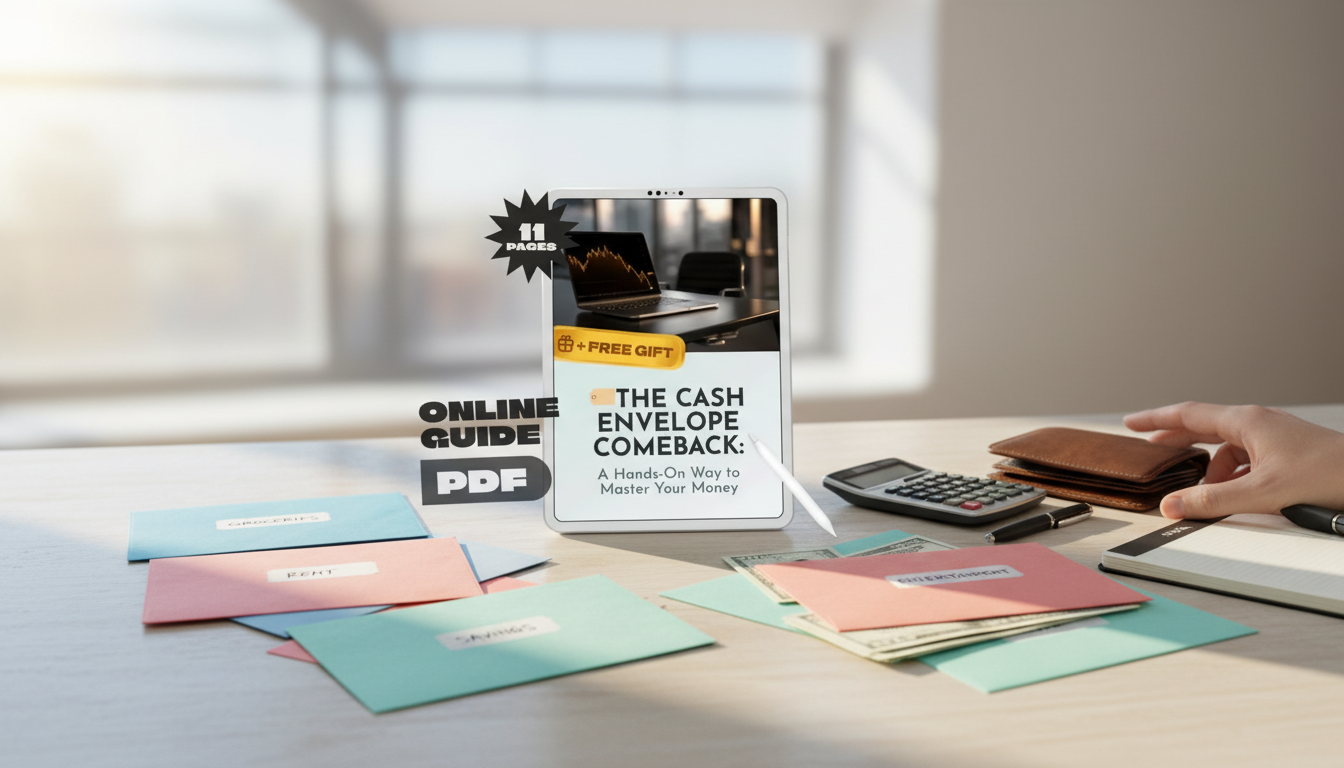
The Cash Envelope Comeback: a hands-on way to master your money
Cash envelopes turn a budget from a set of numbers into a daily routine. By assigning real cash to clear spending categories, it becomes easier to spot leaks, slow impulse purchases, and stay consistent week after week. The goal isn’t perfection—it’s clarity: when an envelope gets thin, you know to pivot before your bank account takes the hit.
If you want a printable system you can set up quickly, The Cash Envelope Comeback: A Hands-On Way to Master Your Money | Budgeting Guide PDF | Cash Envelopes Budget System gives you category planners, paycheck mapping pages, and trackers that make cash budgeting feel straightforward instead of restrictive.
Why cash envelopes work when apps and “mental budgets” don’t
The cash envelope system works because it adds friction in the right places. It’s not about avoiding technology; it’s about making spending decisions harder to ignore.
- Makes spending visible: cash leaving an envelope is immediate feedback.
- Creates a natural pause: you have to open the envelope and see what’s left before buying.
- Protects essentials: fixed bills stay separate from flexible spending so necessities don’t get crowded out.
- Forces intentional trade-offs: spending more in one category means taking from another, on purpose.
- Builds confidence fast: small wins (like staying under dining out) motivate consistency.
For additional budgeting basics and consumer-friendly tools, the Consumer Financial Protection Bureau budgeting resources and the FTC guide to managing your money offer practical, plain-language guidance.
What comes in the Budgeting Guide PDF (and how to use it)
A good envelope system isn’t just envelopes—it’s a repeatable routine. A printable guide helps you make decisions once, then follow the plan with less daily mental load.
- Envelope category planner: choose which categories need physical cash and which should stay digital.
- Paycheck plan pages: line up income dates with bill due dates and weekly spending targets.
- Spending tracker sheets: record withdrawals, purchases, and remaining balances per envelope.
- Monthly review prompts: spot categories that need adjustment and set next-month caps.
- Printing and setup tips: quick-start steps and a simple maintenance routine.
Pairing budgeting with a supportive mindset can also keep the habit from feeling punitive. If staying consistent is the hard part, Checklist: Bright Mind Boost — Your Simple Daily Guide to Staying Positive | Digital Download for How to Keep Positive Thoughts can help you build a steadier day-to-day rhythm while you practice new money behaviors.
Set up the system in 30–60 minutes
You don’t need a full weekend to begin—just enough time to make a few clear decisions and label your priorities.
- List monthly income: include take-home pay and reliable side income, then pick a cadence (weekly or per paycheck).
- Schedule fixed obligations first: rent/mortgage, utilities, insurance, and minimum debt payments come before cash categories.
- Choose 5–10 variable categories: focus on the areas that tend to drift (groceries, dining out, gas, personal spending).
- Decide cash vs. card: variable spending often works best in cash; fixed bills and online subscriptions usually stay digital.
- Pick a container method: labeled envelopes, a binder-style cash wallet, or an accordion file at home.
If stress and decision fatigue are part of what triggers overspending, consider pairing your setup session with a calming reset like How To Relax Your Body And Live With Less Stress to make budgeting feel more sustainable over time.
Choose envelope categories that match real spending
The best categories are the ones that change your behavior in the moment. Too broad and nothing shifts; too detailed and you’ll stop tracking.
- Start with the categories that cause the most overspending; add others later.
- Keep categories specific enough to guide choices (for example, separate “Dining Out” from “Groceries”).
- Use a small “Miscellaneous” envelope to avoid constant category creep.
- Add an “Irregulars” envelope for non-monthly costs like gifts, car repairs, and annual fees.
- If something is mostly online (like subscriptions), track it on paper but pay digitally.
| Envelope | What it covers | Common cadence | Notes |
|---|---|---|---|
| Groceries | Food and household consumables | Weekly | Split by week to avoid end-of-month shortfalls |
| Dining Out | Restaurants, coffee runs, takeout | Weekly | Use a smaller cap to protect groceries |
| Gas/Transport | Fuel, transit passes, parking | Weekly | Refill on a consistent day to smooth volatility |
| Personal Spending | Small wants, hobbies, personal care | Weekly | Prevents “tiny purchases” from derailing the plan |
| Household | Cleaning supplies, small home items | Monthly | Combine with groceries only if tracking stays clear |
| Irregulars | Gifts, car maintenance, annual fees | Per paycheck | Treat like a bill: fund it before flexible spending |
Funding day: how to stuff envelopes without guesswork
Funding day is where the system becomes real. The trick is to assign dollars with a plan, not vibes.
Daily rules that keep the system working
Digital + cash hybrid for modern bills and online shopping
Troubleshooting common friction points (and quick fixes)
FAQ
Is the cash envelope system good for beginners?
Yes—tactile limits help habits form faster because you can see the trade-offs in real time. Start with 3–5 envelopes and use a weekly cadence so it stays simple and easy to restart if you miss a day.
How much cash should go in each envelope?
Use last month’s spending as your baseline, then fund weekly or per paycheck based on your cash flow. After 2–4 weeks of tracking, adjust amounts to match reality and prioritize the categories that matter most.
What if most purchases are online or card-only?
Use a hybrid approach: keep limits by category, write a “pending” slip for online purchases, and reconcile weekly by moving the matching cash back to the bank. If you prefer going mostly digital, paper envelopes (category caps plus weekly review) still deliver the same decision-making benefits.
Recommended for you



Was this article helpful?
Yes
No










Leave a comment