-
Shop
- Advanced Technologies
- Arts, Crafts & Hobbies
- Bathroom
- Best Sellers
- Car Accessories
- Dating & Social Skills
- Digital Resources
- Beauty
- Electronics & Technology
- Emotional Intelligence
- Home Styling & Organization
- Mindfulness
- Nutrition & Healthy Eating
- Personal Style & Fashion
- Pet Lifestyle & Wellness
- Positive Thinking
- Productivity
- Self Confidence
- Sleep Improvement
- Stress Management & Relaxation
- TikTok Growth & Monetization Mastery
- Travel & Adventure
- Yoga & Mind-Body Practices
- Education & Learning
- Family & Parenting
- Fashion
- Alexander McQueen
- Bags
- Bags & Wallets
- Balenciaga
- Belts
- Blazers
- Bottega Veneta
- Brunello Cucinelli
- Burberry
- Chanel
- Chloé
- Dior
- Dolce & Gabbana
- Dresses
- Etro
- Fendi
- Gucci
- Hats & Hair Accessories
- Jacquemus
- Jewelry
- Jil Sander
- Jimmy Choo
- Kiton
- Luggage
- Miu Miu
- Off-White
- Outerwear
- Prada
- Rick Owens
- Saint Laurent
- Socks & Tights
- Sunglasses
- The Row
- Tom Ford
- Valentino
- Valentino Garavani
- Versace
- Vivienne Westwood
- Watches
- Fashion Accessories
- Furniture
- Gadgets
- Health & Beauty
- Health & Wellness
- Home & Garden
- Home Electronics
- Home Supplies
- Kids & Babies
- Kitchen
- Lighting
- Mindset
- Patio, Lawn & Garden
- Personal Growth
- Pet Care
- Pet Supplies
- Pets
- Shoes
- Sport & Outdoors
- Super Deals
- Travel
- Wealth
- Wealth Building
- Budgeting & Saving
- Cryptocurrency Investing
- Debt Management
- Entrepreneurship & Business Growth
- Family Finance & Budgeting
- Financial Independence
- Financial Mindset & Psychology
- Financial Planning
- Frugal Living & Expense Hacks
- Goal Setting
- High-Income Skills
- Investing Basics
- Leadership
- Motivation
- Networking & Mentorship
- Passive Income Strategies
- Real Estate Investing
- Side Hustles
- Stock Market Investing
- Winter Fashion
- YouTube Shorts Best-Sellers
Glowing Skin Food Guide: 7-Day Meal Plan + Superfoods
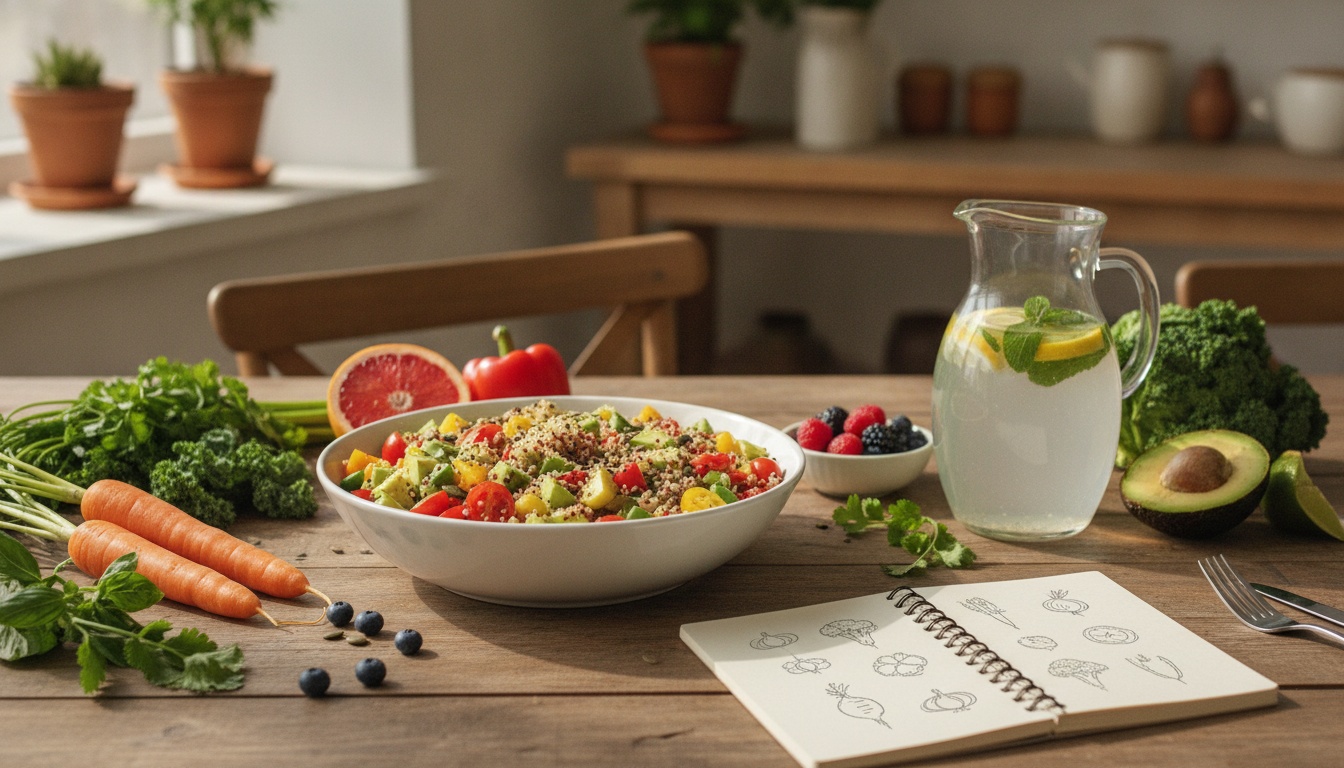
A Simple Food Guide to Radiant, Glowing Skin: Meal Plans, Superfoods, and Daily Habits
Skin radiance is influenced by daily food choices that support hydration, a healthy skin barrier, balanced inflammation, and steady blood sugar. This guide maps out what to eat, what to limit, and how to build easy meals that make “glow” more consistent—without complicated rules.
What “glowing skin” looks like from the inside out
Skin barrier basics
Your skin barrier relies on essential fatty acids, ceramides, and enough protein to repair and rebuild. When meals are too low in healthy fats or protein, skin may feel drier and look less smooth—even if your skincare routine is solid.
Hydration and electrolytes
Water helps, but “glow” also depends on minerals that help you retain and use fluids well. Soups, brothy meals, and watery produce (cucumber, watermelon, citrus) add both fluid and supportive electrolytes, especially when paired with meals rather than sipped alone.
Inflammation balance
Omega-3s, polyphenols (plant antioxidants), and fiber can support a calmer-looking complexion. For a helpful overview of fats that support health, Harvard’s Nutrition Source explains the role of healthy fats in a balanced eating pattern.
Blood sugar swings
Frequent spikes from sugary drinks, candy, or refined carbs without protein/fiber can show up as dullness, congestion, or uneven texture. Pairing carbs with protein, fiber, and fat tends to smooth out energy—and often helps skin look more even.
Gut-skin connection
Fiber diversity and fermented foods can matter for clarity and comfort. Instead of going extreme, aim for small daily upgrades: add one new plant food, and introduce fermented foods slowly to avoid bloating.
Core nutrients that support a clear, radiant look
Radiant skin-friendly meals often repeat the same nutrient “hits,” just in different flavors and formats.
- Vitamin C (citrus, kiwi, bell peppers, berries) supports collagen and antioxidant protection. For a deeper look at antioxidants, the Academy of Nutrition and Dietetics offers a practical overview of antioxidants.
- Vitamin A carotenoids (sweet potato, carrots, leafy greens) support tone and resilience.
- Vitamin E + healthy fats (avocado, almonds, sunflower seeds, olive oil) support the skin barrier.
- Zinc (pumpkin seeds, seafood, legumes) supports healing and oil-balance.
- Selenium and iodine (Brazil nuts, seafood, seaweed in moderation) support thyroid function, which can influence skin and hair.
- Protein (eggs, Greek yogurt, tofu/tempeh, fish, chicken, lentils) provides building blocks for repair. Cleveland Clinic explains what collagen is and how it fits into the body’s structure.
- Omega-3s (salmon, sardines, chia, flax, walnuts) support a calm, hydrated appearance.
Superfoods for radiance (and how to actually use them)
- Fatty fish 2–3x/week: Tinned salmon or sardines turn into instant salads, rice bowls, and toast toppers.
- Berries daily: Add to yogurt, oats, chia pudding, or smoothies for polyphenols.
- Leafy greens most days: Sauté into eggs, blend into smoothies, or toss into soups; aim for 1–2 cups.
- Cruciferous vegetables: Roast broccoli/cauliflower for fiber and phytonutrients without extra fuss.
- Fermented foods: Yogurt/kefir, kimchi, sauerkraut—start with a few bites or a small glass and increase gradually.
- Nuts and seeds: Rotate pumpkin, chia, flax, walnuts; keep portions consistent (a small handful or 1–2 tablespoons).
- Extra-virgin olive oil: Use as a finishing oil on veggies and bowls for flavor plus polyphenols.
A simple “clear skin plate” method for every meal
When meals are built the same way most days, results tend to be steadier and cravings get quieter.
Build-a-Meal Cheatsheet for Radiant Skin
| Meal part | Best choices | Fast examples |
|---|---|---|
| Protein | Salmon, eggs, Greek yogurt, tofu/tempeh, lentils | Egg + spinach scramble; tofu stir-fry; lentil soup |
| Color + fiber | Berries, bell peppers, leafy greens, broccoli, carrots | Berry yogurt bowl; big salad; roasted veggie tray |
| Smart carbs | Oats, quinoa, beans, sweet potato, brown rice | Overnight oats; quinoa bowl; sweet potato + beans |
| Healthy fats | Olive oil, avocado, chia/flax, walnuts, almonds | Avocado toast; chia pudding; olive-oil vinaigrette |
| Hydration support | Cucumber, watermelon, soups, coconut water (optional) | Gazpacho; veggie soup; fruit + water combo |
7-day meal plan framework (mix-and-match)
Common food triggers and gentle swaps (without extremes)
Daily habits that make the food plan work better
A guided option for structure and simplicity
If a plug-and-play approach is easier than piecing tips together, a dedicated guide can turn the ideas above into a daily routine. A Simple Food Guide To Radiant Glowing Skin | eBook for Glowing Skin Food Tips, Clear Skin Meal Plans & Superfoods for Radiance is designed for straightforward meal planning, realistic swaps, and repeatable habits.
For extra support around the lifestyle side of glow (sleep, stress, and daily consistency), these quick reads can pair well with nutrition upgrades: How To Relax Your Body And Live With Less Stress and Checklist: Bright Mind Boost — Your Simple Daily Guide to Staying Positive | Digital Download for How to Keep Positive Thoughts.
FAQ
How long does it take for dietary changes to show on skin?
Many people notice changes in 2–6+ weeks, since skin turnover takes time. Consistency with balanced meals, hydration, and sleep usually matters more than changing everything at once.
What foods help with skin hydration and glow?
Omega-3s (salmon, chia, walnuts), olive oil, avocado, vitamin C-rich produce, and brothy soups can support a more hydrated look. Limiting excess alcohol and added sugar also helps reduce dryness and dullness.
Can a meal plan help reduce breakouts?
A steady meal plan can help by supporting fiber intake, calmer inflammation, and more stable blood sugar. Individual triggers vary, so it’s often best to test changes gradually (for example, reducing ultra-processed foods or trying a short dairy trial).
Recommended for you



Was this article helpful?
Yes
No









Leave a comment