-
Shop
- Advanced Technologies
- Arts, Crafts & Hobbies
- Bathroom
- Best Sellers
- Car Accessories
- Dating & Social Skills
- Digital Resources
- Beauty
- Electronics & Technology
- Emotional Intelligence
- Home Styling & Organization
- Mindfulness
- Nutrition & Healthy Eating
- Personal Style & Fashion
- Pet Lifestyle & Wellness
- Positive Thinking
- Productivity
- Self Confidence
- Sleep Improvement
- Stress Management & Relaxation
- TikTok Growth & Monetization Mastery
- Travel & Adventure
- Yoga & Mind-Body Practices
- Education & Learning
- Family & Parenting
- Fashion
- Alexander McQueen
- Bags
- Bags & Wallets
- Balenciaga
- Belts
- Blazers
- Bottega Veneta
- Brunello Cucinelli
- Burberry
- Chanel
- Chloé
- Dior
- Dolce & Gabbana
- Dresses
- Etro
- Fendi
- Gucci
- Hats & Hair Accessories
- Jacquemus
- Jewelry
- Jil Sander
- Jimmy Choo
- Kiton
- Luggage
- Miu Miu
- Off-White
- Outerwear
- Prada
- Rick Owens
- Saint Laurent
- Socks & Tights
- Sunglasses
- The Row
- Tom Ford
- Valentino
- Valentino Garavani
- Versace
- Vivienne Westwood
- Watches
- Fashion Accessories
- Furniture
- Gadgets
- Health & Beauty
- Health & Wellness
- Home & Garden
- Home Electronics
- Home Supplies
- Kids & Babies
- Kitchen
- Lighting
- Mindset
- Patio, Lawn & Garden
- Personal Growth
- Pet Care
- Pet Supplies
- Pets
- Shoes
- Sport & Outdoors
- Super Deals
- Travel
- Wealth
- Wealth Building
- Budgeting & Saving
- Cryptocurrency Investing
- Debt Management
- Entrepreneurship & Business Growth
- Family Finance & Budgeting
- Financial Independence
- Financial Mindset & Psychology
- Financial Planning
- Frugal Living & Expense Hacks
- Goal Setting
- High-Income Skills
- Investing Basics
- Leadership
- Motivation
- Networking & Mentorship
- Passive Income Strategies
- Real Estate Investing
- Side Hustles
- Stock Market Investing
- Winter Fashion
- YouTube Shorts Best-Sellers
Wooden Spinning Music Drum for Babies (Montessori Play)
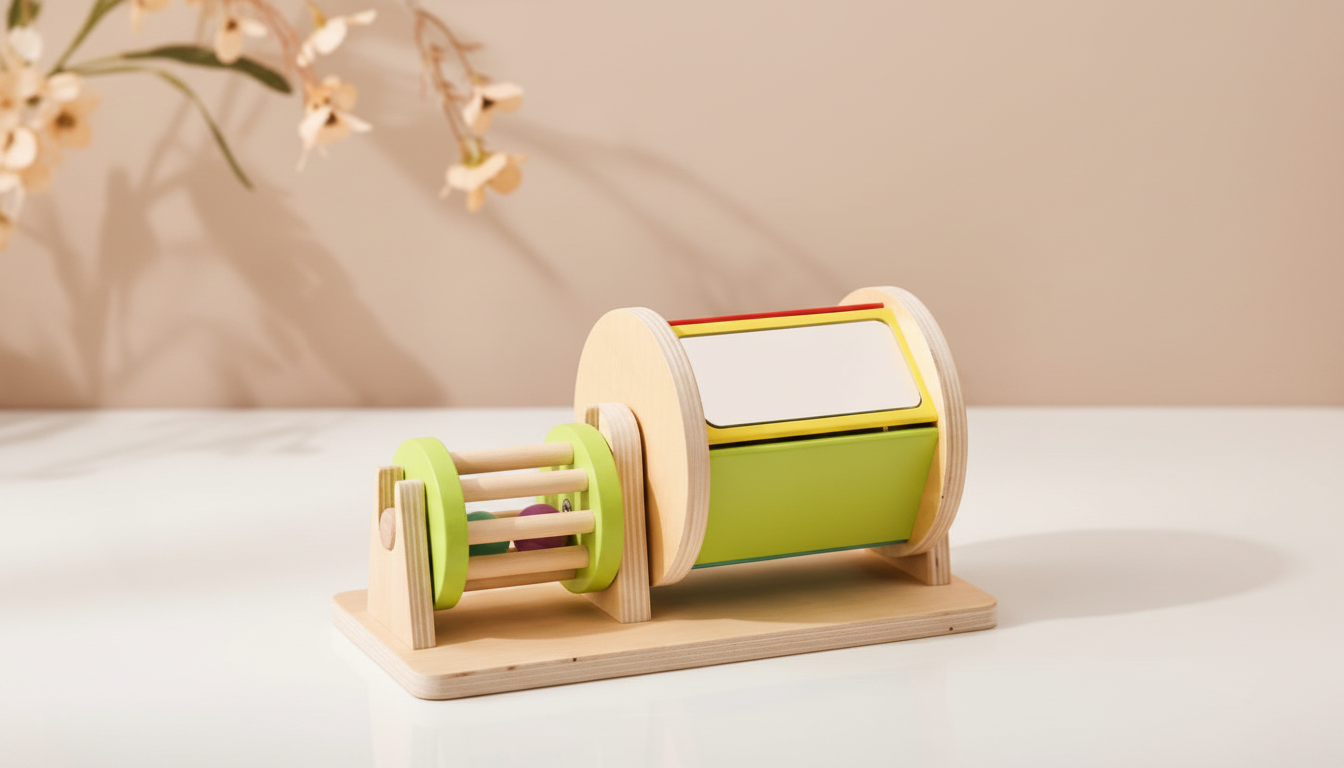
Montessori Baby Wooden Toy Spinning Music Drum
A spinning music drum made from wood offers a simple, engaging way for babies to explore sound, movement, and cause-and-effect. With a focus on hands-on discovery, it encourages repeated practice—spin, listen, pause, and try again—helping build early coordination and sensory awareness through play. Because the mechanics are straightforward, many babies stay interested without needing flashing lights or lots of extra parts.
What Makes a Spinning Music Drum So Engaging
A wooden spinning music drum feels “easy to understand” for babies: it responds right away, but still leaves plenty to experiment with.
- Cause-and-effect learning: spinning leads to sound, helping babies connect actions with outcomes.
- Multi-sensory play: combines motion, rhythm, and tactile feedback in one activity.
- Open-ended interaction: babies can spin fast/slow, start/stop, and experiment with patterns.
- Supports independent play: simple mechanics encourage self-directed exploration and repetition.
At a Glance
Use this snapshot to compare expectations at home: learning focus, materials, and everyday practicality. Keep sessions short at first; extend playtime as interest and stamina grow.
| Feature | What it helps with | Simple tip for parents |
|---|---|---|
| Spinning action | Hand strength and coordination | Place it on a stable surface so baby can push and release |
| Music/sound feedback | Auditory tracking and attention | Spin once, pause, then let baby try to repeat the sound |
| Wooden construction | Tactile exploration | Check edges and finish regularly; wipe clean after play |
| Simple, single-purpose design | Focus and independent practice | Rotate with other toys to keep it feeling fresh |
Skills Supported During Everyday Play
A spinning drum can look deceptively simple, but it naturally invites repeated, purposeful movement—exactly where many early skills grow.
- Fine motor development: grasping, pushing, and controlled spinning strengthen small hand muscles.
- Bilateral coordination: one hand can stabilize while the other spins, supporting coordinated movements.
- Auditory discrimination: babies notice changes in sound based on speed and force.
- Attention and persistence: repeating the same action to achieve a result builds early focus.
- Early rhythm awareness: natural exposure to tempo changes through faster vs. slower spins.
How to Introduce It by Age and Stage
The “right” way to present a Montessori-style toy is often less about teaching and more about making the first interaction clear, calm, and inviting.
- Early explorers: demonstrate one gentle spin, then wait; let baby process the sound and movement before repeating.
- Sitting stage: place the drum within easy reach; encourage a light push rather than a grab-and-shake approach.
- More confident movers: invite turn-taking—adult spins once, baby spins once—to support social interaction without taking control.
- Sensitivity to sound: if baby startles, begin with very soft spins and shorter sessions; gradually increase intensity.
- Signs it’s working well: baby watches the drum closely, tries again after it stops, and experiments with different pushes.
If interest drops quickly, try changing the setup instead of “showing more”: move it to a non-slip mat, switch the lighting, or offer it after a restful moment (like post-bottle or after a diaper change).
Safety and Quality Checks to Do at Home
Wooden baby toys are often chosen for their simplicity, but ongoing checks still matter—especially when toys are mouthed, dropped, or tapped against hard surfaces.
- Supervise play, especially for babies who mouth objects or bang toys against surfaces.
- Inspect the finish: look for splinters, peeling paint, or rough edges; stop use if damage appears.
- Check stability: use on a firm, flat surface to reduce slipping or tipping.
- Keep play area clear: prevent the drum from being used near stairs, sharp corners, or breakable items.
- Follow general toy safety practices: choose age-appropriate toys and monitor wear over time.
For broader guidance on safe toy selection and supervision, review resources from the U.S. Consumer Product Safety Commission (CPSC) and the American Academy of Pediatrics.
Simple Play Ideas That Keep It Fresh
Babies often love “the same thing again,” but small variations can add just enough novelty to deepen exploration.
Care, Cleaning, and Storage
Product Options (In Stock)
Montessori Baby Wooden Toy Spinning Music Drum
This focused wooden toy is designed for hands-on sound and motion exploration—an inviting choice for short, repeatable practice sessions. See details on the Montessori Baby Wooden Toy Spinning Music Drum product page.
How To Relax Your Body And Live With Less Stress
For caregivers building calmer routines around play, rest, and daily transitions, consider How To Relax Your Body And Live With Less Stress as a supportive resource.
Checklist: Bright Mind Boost — Your Simple Daily Guide to Staying Positive | Digital Download for How to Keep Positive Thoughts
If you like quick, actionable prompts during busy parenting days, Checklist: Bright Mind Boost is an easy-to-reference option.
FAQ
What age is a spinning music drum suitable for?
Many babies can enjoy a spinning music drum once they’re reaching and swiping with intent, and it often becomes even more engaging when sitting is steadier and hands are more coordinated. Supervise use closely, and check the product page for specific age guidance.
Is a wooden spinning drum safe for babies who mouth toys?
It can be, as long as the finish is intact and the toy is kept in good condition. Supervise play, inspect routinely for splinters, cracks, or peeling, and stop using it if any damage appears.
How can this toy support Montessori-style play?
It supports self-directed repetition with clear cause-and-effect and minimal overstimulation. Present it with one simple demonstration, then pause and allow independent exploration so your baby can experiment at their own pace.
Recommended for you


Was this article helpful?
Yes
No








Leave a comment