-
Shop
- Advanced Technologies
- Arts, Crafts & Hobbies
- Bathroom
- Best Sellers
- Car Accessories
- Dating & Social Skills
- Digital Resources
- Beauty
- Electronics & Technology
- Emotional Intelligence
- Home Styling & Organization
- Mindfulness
- Nutrition & Healthy Eating
- Personal Style & Fashion
- Pet Lifestyle & Wellness
- Positive Thinking
- Productivity
- Self Confidence
- Sleep Improvement
- Stress Management & Relaxation
- TikTok Growth & Monetization Mastery
- Travel & Adventure
- Yoga & Mind-Body Practices
- Education & Learning
- Family & Parenting
- Fashion
- Alexander McQueen
- Bags
- Bags & Wallets
- Balenciaga
- Belts
- Blazers
- Bottega Veneta
- Brunello Cucinelli
- Burberry
- Chanel
- Chloé
- Dior
- Dolce & Gabbana
- Dresses
- Etro
- Fendi
- Gucci
- Hats & Hair Accessories
- Jacquemus
- Jewelry
- Jil Sander
- Jimmy Choo
- Kiton
- Luggage
- Miu Miu
- Off-White
- Outerwear
- Prada
- Rick Owens
- Saint Laurent
- Socks & Tights
- Sunglasses
- The Row
- Tom Ford
- Valentino
- Valentino Garavani
- Versace
- Vivienne Westwood
- Watches
- Fashion Accessories
- Furniture
- Gadgets
- Health & Beauty
- Health & Wellness
- Home & Garden
- Home Electronics
- Home Supplies
- Kids & Babies
- Kitchen
- Lighting
- Mindset
- Patio, Lawn & Garden
- Personal Growth
- Pet Care
- Pet Supplies
- Pets
- Shoes
- Sport & Outdoors
- Super Deals
- Travel
- Wealth
- Wealth Building
- Budgeting & Saving
- Cryptocurrency Investing
- Debt Management
- Entrepreneurship & Business Growth
- Family Finance & Budgeting
- Financial Independence
- Financial Mindset & Psychology
- Financial Planning
- Frugal Living & Expense Hacks
- Goal Setting
- High-Income Skills
- Investing Basics
- Leadership
- Motivation
- Networking & Mentorship
- Passive Income Strategies
- Real Estate Investing
- Side Hustles
- Stock Market Investing
- Winter Fashion
- YouTube Shorts Best-Sellers
Deep-Clean Seams Fast With a Compact Upholstery Brush
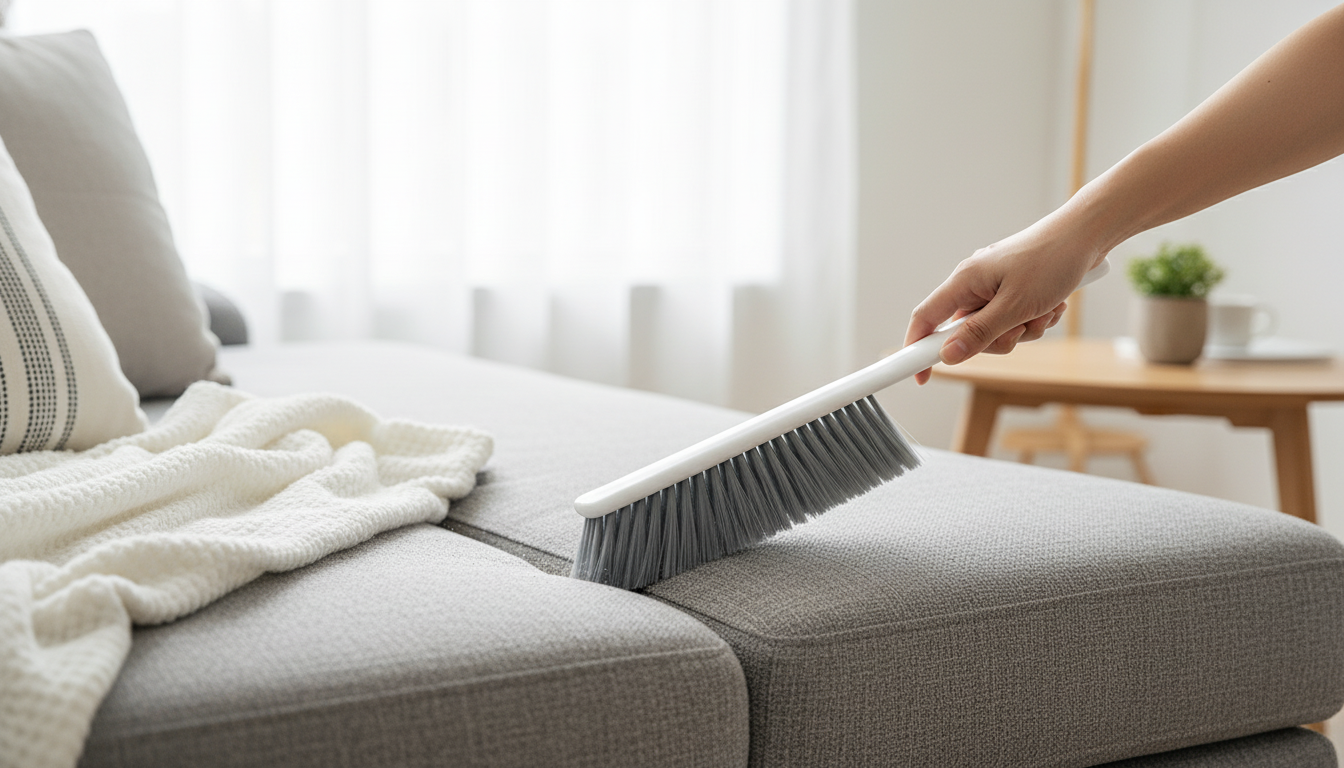
Multifunctional Bed and Sofa Cleaning Brush: A Simple Tool for Cleaner Fabric Surfaces
Beds, sofas, and upholstered chairs collect lint, crumbs, hair, and fine dust deep in the weave—especially along seams, edges, and tufted areas. A compact multifunctional brush can make quick work of everyday buildup, help reduce lingering odors trapped in debris, and keep fabric looking fresher between deeper cleanings.
For quick, no-fuss upkeep, the Multifunctional Bed and Sofa Cleaning Brush is an easy add to a basic cleaning kit. It’s small enough to keep nearby, but useful enough to reach the “annoying” spots where crumbs and pet hair love to hide.
Why fabric furniture gets dirty so quickly
Upholstery looks tidy right after a cleaning, but it rarely stays that way for long. The reason is simple: fabric is textured, and texture is great at holding onto tiny debris.
- Upholstery fibers trap lint and skin flakes, and textured weaves hold onto pet hair and fuzz.
- High-contact zones (armrests, head areas, seat fronts) accumulate oils and small particles faster than flat surfaces.
- Seams, piping, tufted buttons, and creases act like “catch points” where debris gathers and vacuums can miss.
- Regular dry removal of loose debris helps keep dust from grinding into fibers and becoming harder to lift later.
If you’re trying to cut down on allergens around soft surfaces, it also helps to stay consistent with basic cleaning habits. Authoritative guidance on home hygiene and soft-surface cleaning is available from the CDC, and dust-mite prevention tips are covered by Mayo Clinic.
What a multifunctional cleaning brush does differently
A vacuum is great for broad surfaces, but it can struggle when debris is wedged into seams or tangled into fabric texture. A dedicated brush adds a “lifting” step that makes the rest of your cleaning faster.
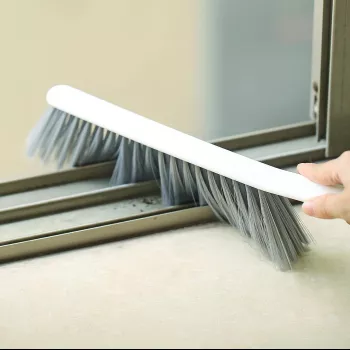
- Targets tight spaces: edges, seams, and corners where bulky tools struggle to reach.
- Helps lift hair and lint: brushing action can pull debris upward for easy pickup.
- Supports quick touch-ups: ideal for fast cleanups before guests, after snacks, or during weekly resets.
- Pairs well with other methods: use before vacuuming to loosen debris, or after vacuuming to tidy remaining lint and fuzz.
For pet owners, the biggest win is often the “unsticking” effect—brushing can loosen fur that clings to upholstery so your vacuum can remove it in fewer passes. If you’re frequently on the go with a dog, pairing home cleanup with a practical outing accessory like the Dog Backpack Vest with Leash Buckle can help keep outdoor gear organized and reduce the chance of extra dirt and hair coming back onto the couch.
Best places to use it around the home
This kind of brush earns its keep in the spots that are hard to reach and easy to ignore. A few minutes in the right places can make the whole room look cleaner.
- Beds: mattress sides, seams, and the area between mattress and frame where dust collects.
- Sofas and sectionals: seat seams, back cushions, tufting, and along the base near the floor.
- Upholstered chairs and headboards: textured fabric that shows lint and pet hair.
- Car interiors: cloth seats, seat tracks, and tight creases (use gentle strokes on delicate fabrics).
- Pet zones: favorite spots where fur accumulates quickly (finish by vacuuming or using a sticky roller if needed).
Where it shines: surfaces and technique
| Surface/Area | Common mess | How to brush | Finish with |
|---|---|---|---|
| Sofa seat seams | Crumbs, lint, hair | Short strokes along the seam; brush debris outward | Vacuum crevice tool |
| Tufted cushions | Fine lint, fuzz | Light circular strokes around buttons and folds | Lint roller or vacuum |
| Mattress edges | Dust, hair | Brush along piping and corners; don’t press hard | Vacuum upholstery tool |
| Chair armrests | Lint, fabric pills | Gentle strokes with the grain of the fabric | Quick vacuum pass |
| Car cloth seats | Sand, hair | Brush in one direction to gather into a line | Hand vacuum |
How to use it for a fast, effective clean
A small brush works best with a simple process. The goal is to lift and gather debris so it’s easy to remove—without grinding grit deeper into fabric.
If the area has been damp recently (a spill, humid room, or a shampooed cushion that isn’t fully dry), prioritize drying first. Moisture management matters on soft surfaces, and the EPA’s mold and moisture guidance offers helpful basics for keeping indoor fabrics and padding from staying damp too long.
Care, cleaning, and storage
Keeping a simple routine can also make the whole task feel less like a chore. If you’re building calmer daily habits in general, the digital guide How To Relax Your Body And Live With Less Stress can pair nicely with a short weekly “reset” that includes brushing seams and vacuuming cushions.
Safe use on different fabrics
A budget-friendly tool for everyday upkeep
For a simple starting point, keep the Multifunctional Bed and Sofa Cleaning Brush near your vacuum so it’s easy to do a quick pass along seams before you vacuum. That one small step often makes the biggest visible difference.
FAQ
Can it be used on mattresses as well as sofas?
Yes—focus on mattress seams, edges, and sides. Use gentle pressure and follow up with vacuuming to remove loosened dust and hair.
Will it damage delicate upholstery like microfiber or velvet?
It can be safe when used lightly. Test a hidden area first, brush with the fabric’s direction, and avoid aggressive scrubbing that can disturb the nap.
Is brushing better than vacuuming for pet hair?
They work best together: brushing loosens and gathers embedded hair, while vacuuming removes what’s lifted. For stubborn fur, alternate brush strokes and vacuum passes.
Recommended for you


Was this article helpful?
Yes
No







Leave a comment