-
Shop
- Advanced Technologies
- Arts, Crafts & Hobbies
- Bathroom
- Best Sellers
- Car Accessories
- Dating & Social Skills
- Digital Resources
- Beauty
- Electronics & Technology
- Emotional Intelligence
- Home Styling & Organization
- Mindfulness
- Nutrition & Healthy Eating
- Personal Style & Fashion
- Pet Lifestyle & Wellness
- Positive Thinking
- Productivity
- Self Confidence
- Sleep Improvement
- Stress Management & Relaxation
- TikTok Growth & Monetization Mastery
- Travel & Adventure
- Yoga & Mind-Body Practices
- Education & Learning
- Family & Parenting
- Fashion
- Alexander McQueen
- Bags
- Bags & Wallets
- Balenciaga
- Belts
- Blazers
- Bottega Veneta
- Brunello Cucinelli
- Burberry
- Chanel
- Chloé
- Dior
- Dolce & Gabbana
- Dresses
- Etro
- Fendi
- Gucci
- Hats & Hair Accessories
- Jacquemus
- Jewelry
- Jil Sander
- Jimmy Choo
- Kiton
- Luggage
- Miu Miu
- Off-White
- Outerwear
- Prada
- Rick Owens
- Saint Laurent
- Socks & Tights
- Sunglasses
- The Row
- Tom Ford
- Valentino
- Valentino Garavani
- Versace
- Vivienne Westwood
- Watches
- Fashion Accessories
- Furniture
- Gadgets
- Health & Beauty
- Health & Wellness
- Home & Garden
- Home Electronics
- Home Supplies
- Kids & Babies
- Kitchen
- Lighting
- Mindset
- Patio, Lawn & Garden
- Personal Growth
- Pet Care
- Pet Supplies
- Pets
- Shoes
- Sport & Outdoors
- Super Deals
- Travel
- Wealth
- Wealth Building
- Budgeting & Saving
- Cryptocurrency Investing
- Debt Management
- Entrepreneurship & Business Growth
- Family Finance & Budgeting
- Financial Independence
- Financial Mindset & Psychology
- Financial Planning
- Frugal Living & Expense Hacks
- Goal Setting
- High-Income Skills
- Investing Basics
- Leadership
- Motivation
- Networking & Mentorship
- Passive Income Strategies
- Real Estate Investing
- Side Hustles
- Stock Market Investing
- Winter Fashion
- YouTube Shorts Best-Sellers
Morning Motivation Plan: Get Up Fast Without Snooze
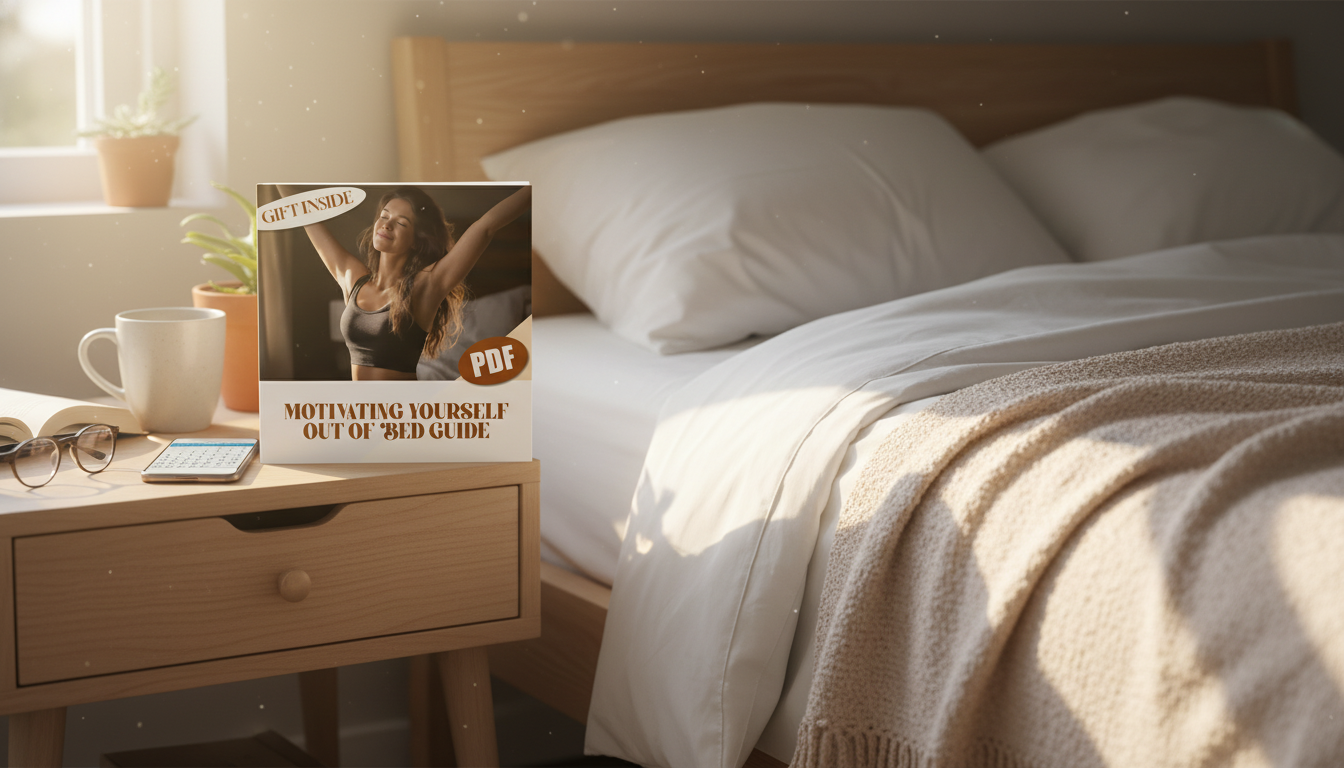
Rise & Shine: A Practical Morning Motivation Plan That Actually Gets You Out of Bed
Getting out of bed isn’t just about willpower—it’s about reducing friction, creating a reason to move, and building a routine that works even on low-energy days. With a few small environment tweaks and a simple, repeatable script, mornings can feel more automatic and less like a daily negotiation.
Why mornings feel hard (and why it’s not a character flaw)
If mornings feel heavy, it’s not proof of laziness or “bad discipline.” There are real, predictable factors that make waking up harder than it should be.
- Sleep inertia is real: the brain can take time to fully “boot up,” especially after short sleep, inconsistent bedtimes, or waking during deeper sleep stages. The Sleep Foundation explains how grogginess and reduced alertness can linger after waking (Sleep Foundation — Sleep Inertia).
- Motivation is unreliable right after waking: environment and habits often matter more than mindset. You want a routine that works even when motivation is low.
- Common friction points: phone scrolling, unclear priorities, too many decisions, and a bedroom set up for “stay” instead of “go.”
Set up tonight to win tomorrow: a 10-minute evening reset
The easiest morning is the one you prepared for. A short night-before reset cuts down on decisions, temptation, and morning chaos.
- Create a “morning runway”: set out clothes, place water by the bed, and prep one easy breakfast or snack option.
- Lower decision fatigue: write a 3-item “tomorrow list” (one must-do, one quick win, one self-care item).
- Reduce temptation: charge your phone away from the bed; use a basic alarm if needed.
- Protect sleep quality: dim lights 60–90 minutes before bed, avoid heavy meals late, and keep a consistent sleep/wake window when possible.
Night-before checklist (10 minutes)
| Task | Time | Why it helps |
|---|---|---|
| Pick outfit + pack essentials | 2 min | Eliminates morning decisions |
| Prep water + simple breakfast | 2 min | Boosts energy with minimal effort |
| Write 3-item tomorrow list | 3 min | Gives direction immediately after waking |
| Set alarm + phone away from bed | 1 min | Prevents scrolling loops |
| Tidy one small surface | 2 min | Reduces visual stress and friction |
The 5-minute launch: a step-by-step script for the moment the alarm rings
The goal isn’t to feel inspired at 6:30 a.m. The goal is to follow a tiny sequence that creates momentum before the mind starts negotiating.
- Use a “no-negotiation” first move: sit up and put feet on the floor before any thinking starts.
- Add light + water: open curtains or switch on a bright light; drink a few sips of water to signal wakefulness.
- Pair movement with something pleasant: a favorite playlist, a warm drink, or a quick stretch routine.
- Keep the first task tiny: one micro-action (wash face, brush teeth, or make the bed) builds a “I’m up” identity fast.
HTML version of the 5-minute launch (copy/paste)
| Minute | Action | Cue |
|---|---|---|
| 0:00–0:30 | Sit up, feet on floor | Alarm stops only after standing |
| 0:30–1:30 | Drink water + open curtains/turn on light | Water placed by bed |
| 1:30–3:00 | Bathroom routine (wash face/brush teeth) | Towel + toothpaste set out |
| 3:00–5:00 | Quick stretch or 20 air squats | Playlist starts automatically |
Build a morning you want: motivation that’s based on rewards, not pressure
If stress is making mornings feel emotionally heavy, it can help to address the load you’re carrying, not just the alarm. Chronic stress affects the body in measurable ways (American Psychological Association — Stress effects on the body), and sleep and mental health influence each other (Harvard Health Publishing — Sleep and mental health).
A simple 7-day ramp-up plan (so it sticks)
Weekly ramp-up overview
| Day | Focus | Minimum win |
|---|---|---|
| 1 | Stand up + light | Feet on floor within 60 seconds |
| 2 | Repeat + water | Drink water before checking phone |
| 3 | Add anchor habit | Make bed OR brush teeth immediately |
| 4 | Reinforce anchor | Same anchor habit two days in a row |
| 5 | Add priority block | 10 minutes on top task |
| 6 | Repeat priority block | 10–20 minutes on top task |
| 7 | Adjust friction points | Move one obstacle out of the way |
When it’s more than routine: stress, low mood, and sleep issues
Put it into action with a ready-to-use motivation guide
If you want a structured plan you can follow without reinventing your routine each morning, a printable guide can make the process feel simpler and more consistent. The Rise & Shine: Your Ultimate Guide to Motivating Yourself Out of Bed (Digital Download) turns the steps above into an easy daily reference.
To support the “mental load” side of mornings, consider adding a calm-down routine the night before with How To Relax Your Body And Live With Less Stress, and keep your mindset steady with a quick daily check-in like Checklist: Bright Mind Boost — Your Simple Daily Guide to Staying Positive (Digital Download).
FAQ
How do you motivate yourself to get up when you’re exhausted?
Use the smallest first move (sit up, feet on floor), then add light and a few sips of water to reduce grogginess and kick-start momentum. Keep the routine tiny enough that it doesn’t require willpower, and if exhaustion is frequent, reassess sleep quality and consider professional support.
What’s the fastest way to stop hitting snooze?
Move the alarm across the room (or make it shut off only after standing) and keep your phone away from the bed to prevent scrolling. Have a “first action” ready—water by the bedside and a bright light or open curtains.
What if a morning routine never seems to stick?
Reduce it to a 5-minute baseline, pair it with an immediate reward, and ramp up slowly over a week. Track consistency instead of perfection and adjust your environment to remove the specific friction that keeps derailing you.
Recommended for you


Was this article helpful?
Yes
No







Leave a comment