-
Shop
- Advanced Technologies
- Arts, Crafts & Hobbies
- Bathroom
- Best Sellers
- Car Accessories
- Dating & Social Skills
- Digital Resources
- Beauty
- Electronics & Technology
- Emotional Intelligence
- Home Styling & Organization
- Mindfulness
- Nutrition & Healthy Eating
- Personal Style & Fashion
- Pet Lifestyle & Wellness
- Positive Thinking
- Productivity
- Self Confidence
- Sleep Improvement
- Stress Management & Relaxation
- TikTok Growth & Monetization Mastery
- Travel & Adventure
- Yoga & Mind-Body Practices
- Education & Learning
- Family & Parenting
- Fashion
- Alexander McQueen
- Bags
- Bags & Wallets
- Balenciaga
- Belts
- Blazers
- Bottega Veneta
- Brunello Cucinelli
- Burberry
- Chanel
- Chloé
- Dior
- Dolce & Gabbana
- Dresses
- Etro
- Fendi
- Gucci
- Hats & Hair Accessories
- Jacquemus
- Jewelry
- Jil Sander
- Jimmy Choo
- Kiton
- Luggage
- Miu Miu
- Off-White
- Outerwear
- Prada
- Rick Owens
- Saint Laurent
- Socks & Tights
- Sunglasses
- The Row
- Tom Ford
- Valentino
- Valentino Garavani
- Versace
- Vivienne Westwood
- Watches
- Fashion Accessories
- Furniture
- Gadgets
- Health & Beauty
- Health & Wellness
- Home & Garden
- Home Electronics
- Home Supplies
- Kids & Babies
- Kitchen
- Lighting
- Mindset
- Patio, Lawn & Garden
- Personal Growth
- Pet Care
- Pet Supplies
- Pets
- Shoes
- Sport & Outdoors
- Super Deals
- Travel
- Wealth
- Wealth Building
- Budgeting & Saving
- Cryptocurrency Investing
- Debt Management
- Entrepreneurship & Business Growth
- Family Finance & Budgeting
- Financial Independence
- Financial Mindset & Psychology
- Financial Planning
- Frugal Living & Expense Hacks
- Goal Setting
- High-Income Skills
- Investing Basics
- Leadership
- Motivation
- Networking & Mentorship
- Passive Income Strategies
- Real Estate Investing
- Side Hustles
- Stock Market Investing
- Winter Fashion
- YouTube Shorts Best-Sellers
Playing Shop With Kids: Easy Setup, Roles, and Themes
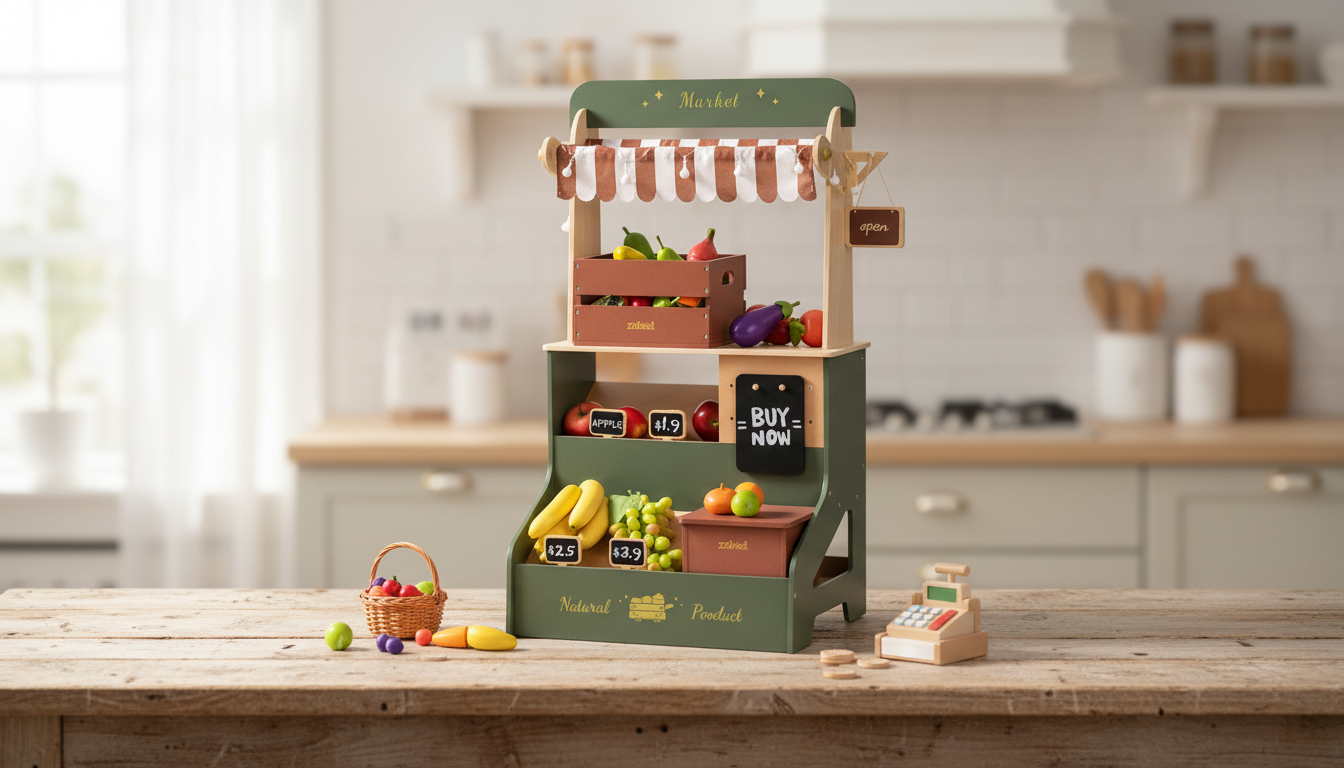
How to play shop with kids?
Playing shop is a simple, screen-free way to build language, math confidence, and social skills—while kids feel like they’re “just playing.” Set up a small market, give everyone a role, and let the game evolve from silly pretend orders to surprisingly detailed transactions.
1) Set up a mini store
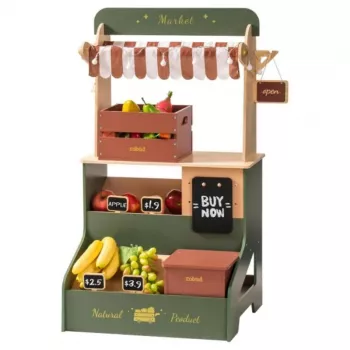
Choose a spot with a small table, shelf, or play stand. “Stock” it with pretend food, empty clean pantry boxes, play money, a notepad for orders, and a bag or basket for shopping. If you have a market stand or shop playset, set out a checkout area so kids naturally practice taking turns and organizing items.
2) Pick roles (and rotate often)
Start with two core roles: shopkeeper and shopper. Add more when needed: cashier, stocker, baker, produce manager, delivery driver, or customer service helper. Swap roles every 5–10 minutes to keep attention high and help kids practice different types of conversation.
3) Add simple rules for structure
Keep rules light: customers line up, the cashier counts items, and the shopkeeper “restocks” when shelves look empty. Use a pretend open/closed sign. For younger kids, focus on naming items and saying polite phrases (“Hello,” “Thank you,” “Come again!”). For older kids, add budgets, receipts, and “sales.”
4) Make it a learning game without making it feel like school
Try quick prompts: “Can you find three green foods?” “Which costs more?” “Do we have enough coins?” Use a notepad to write a shopping list, then match items to the list. Counting change can be optional—sometimes the best play is imaginative, not accurate.
5) Keep it fresh with themes
Run a farmer’s market, bakery day, or smoothie bar. Add “mystery customers” with special requests, or set up a restock challenge where the stocker sorts items by category. Small twists keep kids engaged without needing new toys.
For more setup ideas and play inspiration with a wooden market stand, see the full guide here: https://jixle.shop/guide-wooden-supermarket-shop-playset-market-stand-role-play/.
FAQ
What are good items to use for pretend store play?
Pretend groceries, empty (clean) food boxes, play money, a small basket, and a notepad for lists work great. Add simple “store” props like price tags or a receipt pad to encourage counting and writing.
Recommended for you

Was this article helpful?
Yes
No









Leave a comment