-
Shop
- Advanced Technologies
- Arts, Crafts & Hobbies
- Bathroom
- Best Sellers
- Car Accessories
- Dating & Social Skills
- Digital Resources
- Beauty
- Electronics & Technology
- Emotional Intelligence
- Home Styling & Organization
- Mindfulness
- Nutrition & Healthy Eating
- Personal Style & Fashion
- Pet Lifestyle & Wellness
- Positive Thinking
- Productivity
- Self Confidence
- Sleep Improvement
- Stress Management & Relaxation
- TikTok Growth & Monetization Mastery
- Travel & Adventure
- Yoga & Mind-Body Practices
- Education & Learning
- Family & Parenting
- Fashion
- Alexander McQueen
- Bags
- Bags & Wallets
- Balenciaga
- Belts
- Blazers
- Bottega Veneta
- Brunello Cucinelli
- Burberry
- Chanel
- Chloé
- Dior
- Dolce & Gabbana
- Dresses
- Etro
- Fendi
- Gucci
- Hats & Hair Accessories
- Jacquemus
- Jewelry
- Jil Sander
- Jimmy Choo
- Kiton
- Luggage
- Miu Miu
- Off-White
- Outerwear
- Prada
- Rick Owens
- Saint Laurent
- Socks & Tights
- Sunglasses
- The Row
- Tom Ford
- Valentino
- Valentino Garavani
- Versace
- Vivienne Westwood
- Watches
- Fashion Accessories
- Furniture
- Gadgets
- Health & Beauty
- Health & Wellness
- Home & Garden
- Home Electronics
- Home Supplies
- Kids & Babies
- Kitchen
- Lighting
- Mindset
- Patio, Lawn & Garden
- Personal Growth
- Pet Care
- Pet Supplies
- Pets
- Shoes
- Sport & Outdoors
- Super Deals
- Travel
- Wealth
- Wealth Building
- Budgeting & Saving
- Cryptocurrency Investing
- Debt Management
- Entrepreneurship & Business Growth
- Family Finance & Budgeting
- Financial Independence
- Financial Mindset & Psychology
- Financial Planning
- Frugal Living & Expense Hacks
- Goal Setting
- High-Income Skills
- Investing Basics
- Leadership
- Motivation
- Networking & Mentorship
- Passive Income Strategies
- Real Estate Investing
- Side Hustles
- Stock Market Investing
- Winter Fashion
- YouTube Shorts Best-Sellers
7 Signs of a Bright Mind: Curiosity, Nuance, Empathy

What are the signs of a bright mind?
A bright mind isn’t defined by perfect grades or a high test score. It shows up in everyday habits—how someone learns, adapts, connects ideas, and treats other people. The clearest signs tend to be consistent patterns that appear across different situations, not one-time flashes of insight.
Curiosity that turns into action
People with bright minds ask thoughtful questions and then follow through. They look things up, test ideas, and stay open to being wrong. Instead of collecting facts, they explore how and why something works.
Fast learning, plus the patience to practice
Quick understanding can be a sign, but persistence matters more. Bright thinkers keep refining skills after the “easy” part. They break complex problems into smaller steps, practice deliberately, and improve steadily.
Strong pattern recognition
A bright mind often spots connections others miss—between topics, behaviors, or outcomes. This can look like recognizing trends, predicting what might happen next, or simplifying messy information into a clear model.
Comfort with nuance
Instead of forcing everything into black-and-white categories, intelligent thinkers handle “it depends.” They can hold two competing ideas, compare evidence, and update their view when new information shows up.
Emotional awareness and empathy
Brightness isn’t only analytical. Many sharp minds read the room well, notice subtle cues, and communicate with care. They can disagree without becoming cruel, and they listen to understand—not just to respond.
Adaptability under change
When plans shift, a bright mind recalibrates quickly. That might mean trying a new strategy, learning a new tool, or asking for feedback. Flexibility is often a more reliable signal than raw speed.
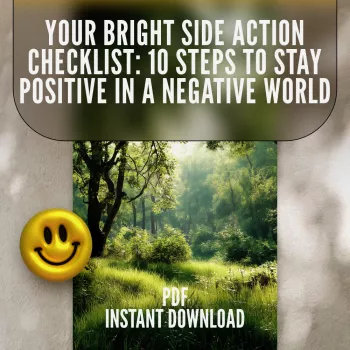
For practical ways to nurture these traits day to day, see the checklist and ideas in this guide to boosting a bright mind and staying positive.
FAQ
How can you train your brain to think more clearly?
Prioritize sleep, movement, and hydration, then add a daily focus habit like journaling or a short planning session. Reduce mental clutter by tackling one task at a time and reviewing what worked at the end of the day.
Recommended for you


Was this article helpful?
Yes
No









Leave a comment